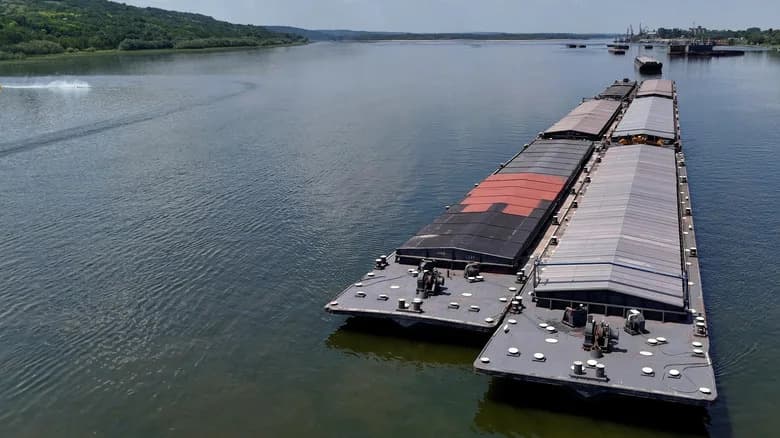
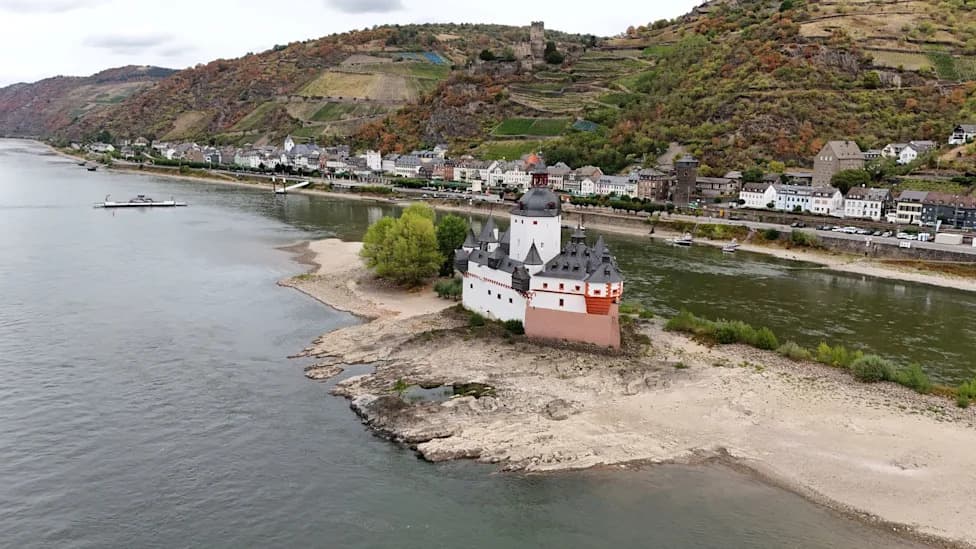
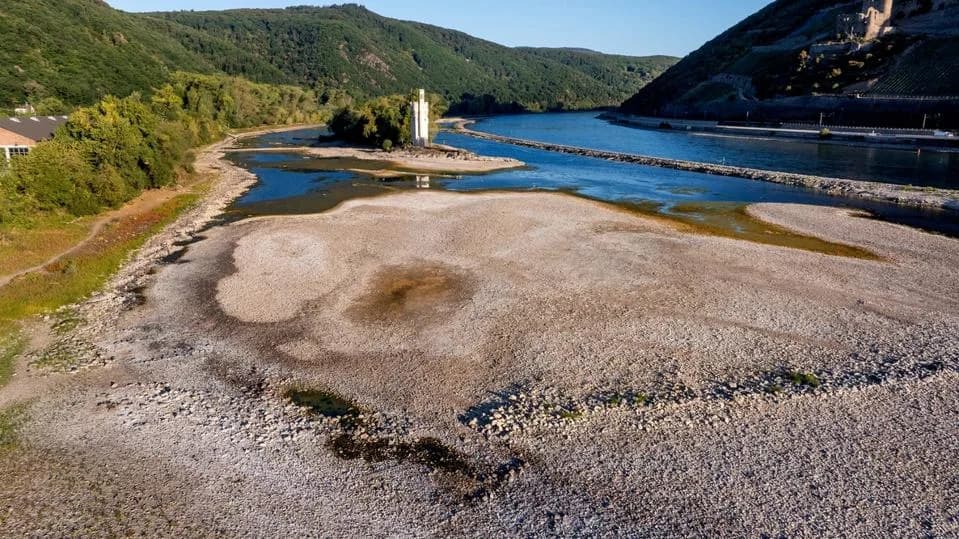
Record heatwaves across Europe have driven river levels to historic lows, forcing several nuclear plants to reduce output or prepare for shutdowns because they lack sufficient cooling water. Hungary’s Paks plant—responsible for nearly half of the country’s electricity—nearly shut down, prompting engineers to place about 145,000 cubic meters of rock in the Danube to slow flows. Romania has considered shutting its last reactor after extraordinary efforts, including a naval detonation of roughly 180 kg of explosives to redirect river water, while France’s nuclear output has fallen about 20% due to drought and jellyfish. With more heat on the way, these events highlight growing climate-related risks to water-dependent reactors.
Record Heatwaves Force European Nuclear Plants To Cut Output As Rivers Run Dry
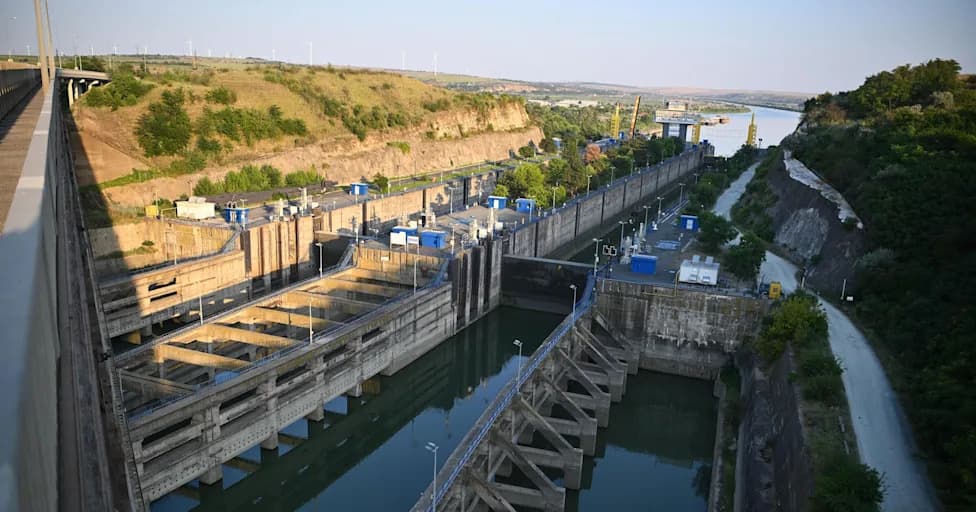
Alex Nicodim/Anadolu via Getty Images
Nuclear power is widely promoted as a low-carbon alternative to coal and natural gas, but recent extreme heat across Europe has exposed a vulnerability: many reactors depend on ample river water for cooling. As rivers such as the Danube reach historic lows, several plants have been forced to reduce output or prepare for shutdowns because they cannot reliably draw cooling water.
Cooling Crisis Along the Danube
German broadcaster Deutsche Welle and other outlets reported that Hungary’s two-gigawatt Paks nuclear plant briefly came close to a full shutdown after diminished Danube flows threatened its cooling systems. In a typical year Paks generates nearly half of Hungary’s electricity, making any sustained outage a national emergency. To preserve upstream water and slow the river’s current, Hungarian authorities mobilized engineers to place roughly 145,000 cubic meters of rock in the riverbed.
Extraordinary Measures in Romania
Romania has faced similar stress. Reuters reported that the state-owned nuclear operator may be forced to shut its last reactor after water levels fell. In an unusual response, Romanian authorities—which included navy personnel—detonated approximately 180 kilograms of explosives in attempts to redirect Danube flows and restore cooling water to the plant.
France: Drought and Jellyfish
France, long reliant on nuclear power, has also seen output fall: a combination of prolonged drought and recurring jellyfish swarms has cut national nuclear generation by about 20%. Because France’s electricity system is more diversified and interconnected, the operational impact there has been less acute than in countries with more concentrated dependence on a single plant.
What This Means Going Forward
With additional heat waves forecast, these incidents suggest that climate-driven water shortages are likely to pose recurring operational risks for river-cooled reactors. Solutions include temporary measures (river management and emergency transfers), technical options (alternative or dry cooling systems), and longer-term strategies such as grid diversification and investment in resilient cooling infrastructure. Policymakers and operators will need to weigh nuclear energy’s low-carbon benefits against these climate-driven vulnerabilities.
Sources: Reporting by Deutsche Welle, ABC, Reuters and national energy operators.
Help us improve.