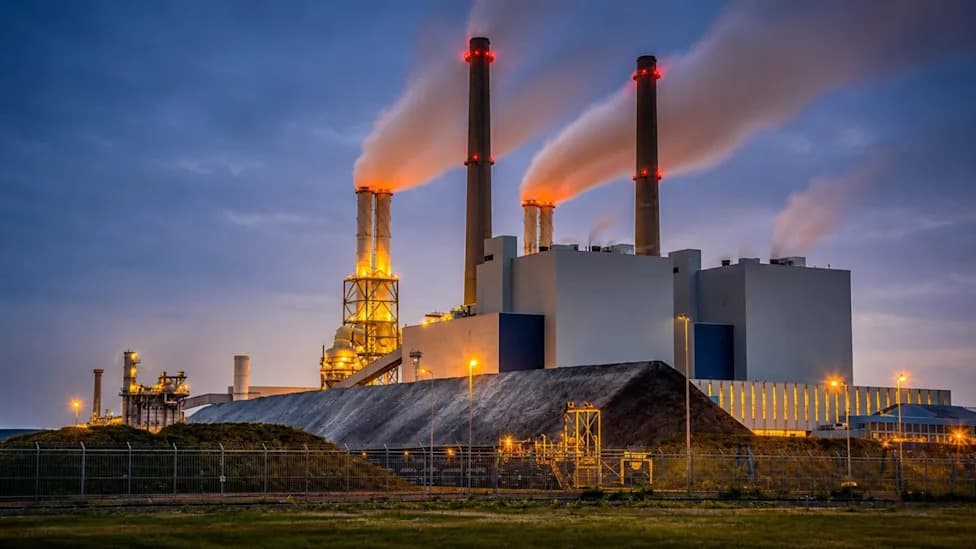
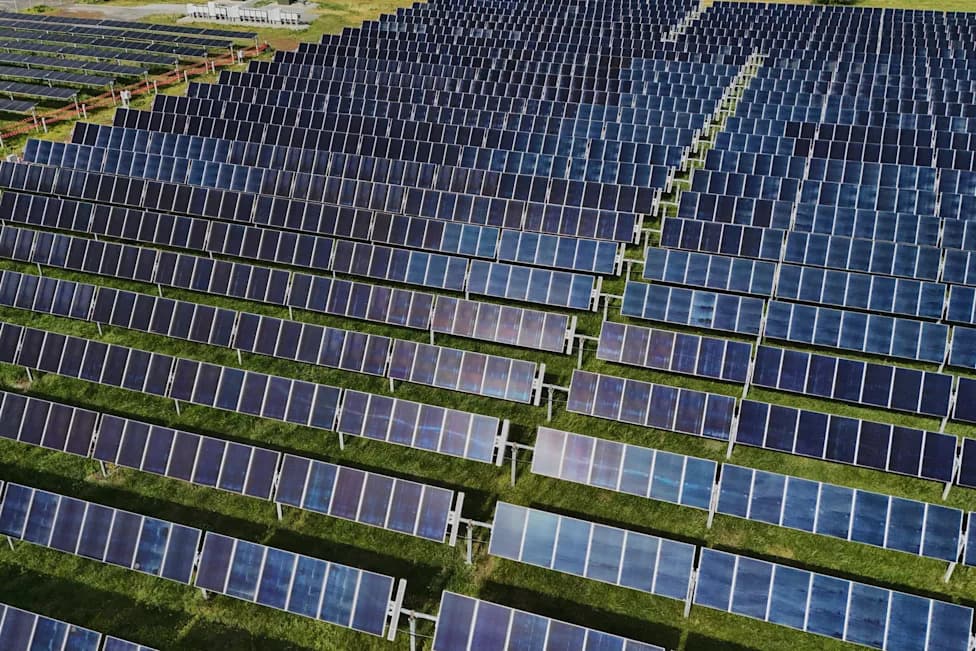
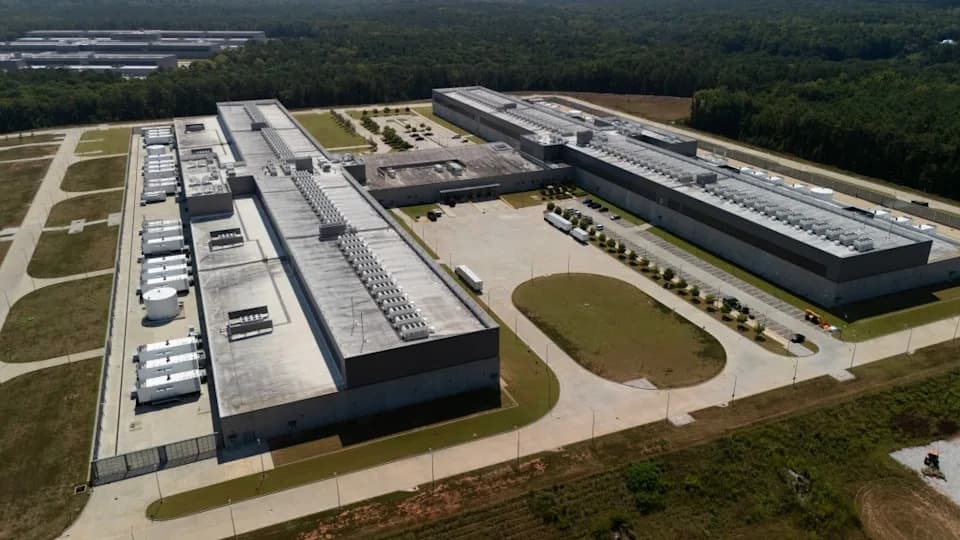
A new NPJ Climate Action paper by Will and Holly Alpine warns that AI is enabling substantial increases in fossil-fuel production and emissions that go beyond data-center pollution. The authors introduce "enabled emissions" — the additional emissions AI makes possible — and estimate AI-driven activity could cause 3–13× more fossil-fuel emissions than current data-center emissions. They call for transparency, tighter guardrails, and policy measures to prevent a "climate-negative future."
New Study: AI Is Amplifying Fossil-Fuel Emissions — Far Beyond Data Centers
Shutterstock
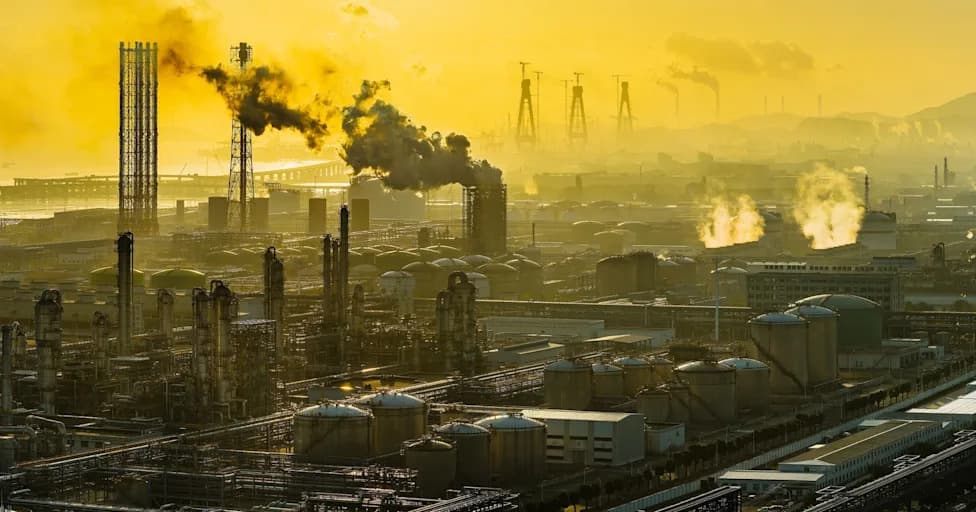
The environmental consequences of the AI boom extend well beyond the energy consumption of data centers. A new paper in NPJ Climate Action warns that artificial intelligence is not only powering compute-hungry models but also helping fossil-fuel companies extract and sell more oil and gas — increasing overall emissions in ways many analyses have overlooked.
What the study found
The researchers, led by former Microsoft managers turned sustainability scholars Will and Holly Alpine, introduce the concept of "enabled emissions": additional pollution made possible by a new technology. They argue these enabled emissions from AI — for example, improved exploration, drilling, and production efficiency in the oil and gas sector — currently exceed the emissions that AI helps avoid through renewable optimization and efficiency gains.
"Predominant analyses examine the relationship between datacenter energy demand, renewables optimization, and demand-side efficiencies, but insufficiently address how AI also reshapes fossil fuel supply economics," the authors write.
The paper estimates that the AI expansion could drive between three and 13 times more fossil-fuel emissions than the pollution already attributable to data centers. Those are wide-ranging estimates, reflecting uncertainty in how the technology is deployed and how markets respond.
Industry ties and real-world examples
The study highlights growing commercial links between Big Tech and fossil-fuel firms, including a reported 20-year contract between Microsoft and Chevron related to a large natural gas facility and Amazon’s involvement in a major fossil-fuel power project. The Alpines say teams within tech companies explicitly build tools and code in partnership with oil majors to expand production.
Why this matters
Focusing only on data-center operational emissions can miss how AI reshapes the supply and economics of fossil fuels — potentially locking in higher emissions trajectories even as some renewable efficiencies improve. The authors caution that without policy guardrails and thoughtful governance, AI could push the world toward a "climate-negative future."
Policy recommendations
To mitigate risks, the paper calls for stronger safeguards: transparency around AI applications in fossil-fuel sectors, stricter procurement and contract standards for tech firms, impact assessments of AI deployments, and policy measures that align AI incentives with decarbonization goals. The researchers also affirm that opposing new, carbon-intensive data centers remains an important tool to limit overall emissions.
As AI technologies proliferate, the study urges a broader conversation about purpose and harm: not just how much energy models use, but what those models are used to do.
Help us improve.