Summary: Sault Ste. Marie Tribe Chairman Austin Lowes condemned the U.S. Army Corps of Engineers' approval of a federal permit for Enbridge's proposed Line 5 tunnel beneath the Straits of Mackinac, calling it 'a dark day' for tribal nations and the Great Lakes. Lowes warned the 4-mile tunnel would disturb ancestral burials and sacred areas and noted Enbridge's history of major oil spills. Although the Corps granted a permit, construction is stalled because the Michigan Supreme Court vacated state permits and Enbridge must reapply. The tribe criticized an abbreviated consultation process and vowed continued legal and political resistance, citing protections under the 1836 Treaty of Washington.
‘A Dark Day’: Sault Tribe Chair Condemns US Army Corps Approval Of Enbridge Line 5 Permit
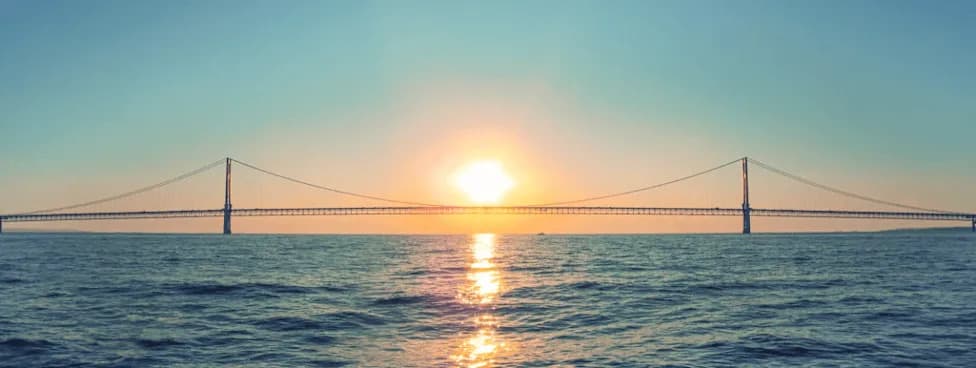
The Straits of Mackinac (Photo/Univesity of Michigan)
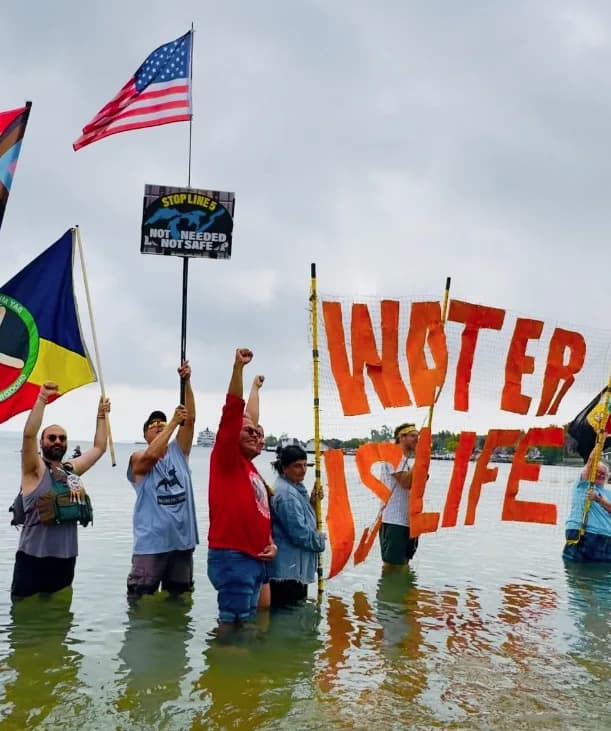
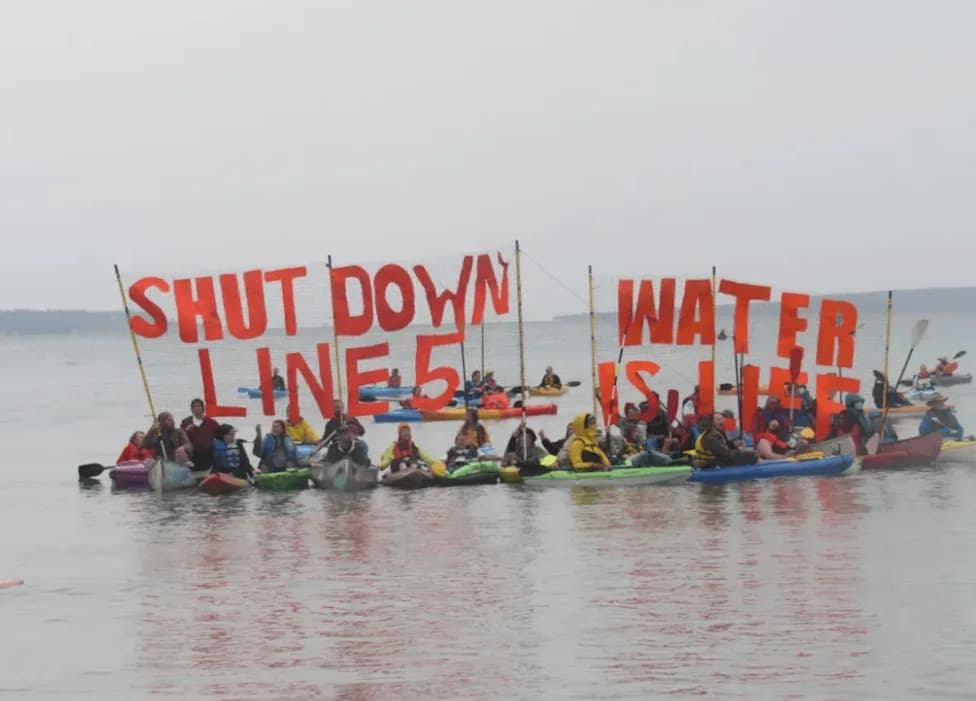
Sault Ste. Marie Tribe of Chippewa Indians Chairman Austin Lowes issued a statement Thursday sharply criticizing the U.S. Army Corps of Engineers for approving a key permit for Enbridge's proposed Line 5 tunnel beneath the Straits of Mackinac. Lowes described the decision as a profound betrayal of tribal sovereignty, treaty obligations and the protection of ancestral and sacred sites.
'Wednesday was a dark day for Tribal Nations across the Midwest. It is a dark day for the Great Lakes, the environment, and all those who hold a special place in their hearts for the Straits of Mackinac,' Lowes said, calling the Corps' action a failure to honor the United States' Indian trust responsibility.
What the Corps Approved and Why Construction Is Not Yet Underway
The Army Corps granted a crucial federal authorization that Enbridge needs to build a roughly 4-mile tunnel under the Straits. However, Lowes and tribal leaders note that construction cannot begin immediately: the Michigan Supreme Court recently vacated permits issued by the Michigan Public Service Commission, meaning Enbridge must reapply and complete the state permitting process.
Cultural, Spiritual and Environmental Concerns
Lowes warned that tunneling beneath the Straits threatens to disturb burial sites and sacred places, describing those areas as the 'bones and spirits' of ancestors who have been at rest long before colonization. He framed the Straits as culturally and spiritually multidimensional to Anishinaabe people, where physical and spiritual worlds are interwoven and where Mackinac Island features prominently in oral histories.
The chairman stressed that water, plant and animal life, spirits, and ancestral belongings are not mere resources to be treated as construction costs. He argued that even the potential for irreversible damage represents a severe physical, mental and spiritual burden for tribal communities.
Enbridge Safety Record
Lowes cited Enbridge's history of major inland spills, including incidents near Kalamazoo, Michigan, and Grand Rapids, Minnesota, which together released nearly 2 million gallons of oil. He questioned whether Line 5 could lead to similar disasters and urged caution and accountability.
Consultation, Treaty Rights and Legal Stakes
The Sault Tribe criticized the Corps' consultation process as inadequate: the tribe was granted one hour of virtual consultation on short notice and then given 24 hours to submit written comments. Lowes emphasized that consultation does not equal consent and highlighted the 1836 Treaty of Washington, arguing that the Corps' own findings show the tunnel would diminish treaty-protected fishing, access, cultural practices and other rights.
Tribal Unity and Next Steps
Lowes said Michigan's 12 federally recognized tribes are more united than ever, meeting at Bay Mills to coordinate a shared response. He pledged that the Sault Tribe will continue legal, political and community efforts to protect treaty rights, honor ancestors and defend the Straits and Great Lakes for future generations.
Key takeaways: the Corps issued a federal permit for the Line 5 tunnel, state permits remain vacated pending reapproval, tribal leaders decry the decision as a breach of treaty and trust responsibilities, and tribal unity and ongoing legal challenges will shape the path forward.
Help us improve.