The Gravelines nuclear power plant in northern France halted four reactors on August 11, 2025 after jellyfish swarms clogged cooling water intakes—repeating an identical shutdown on the same date the previous year. EDF invested in preventive measures but still faced the recurrence and deployed boats to keep blooms away while pumps were cleared. Experts say warming seas, altered plankton populations, and longer breeding seasons help explain growing jellyfish blooms. The article also cites examples of a raccoon disabling a substation and ravens disrupting LIGO, illustrating how wildlife and environmental change can threaten critical infrastructure.
Jellyfish Swarms Shut Gravelines Nuclear Plant for Second Year Running — Climate Signals and Infrastructure Risks
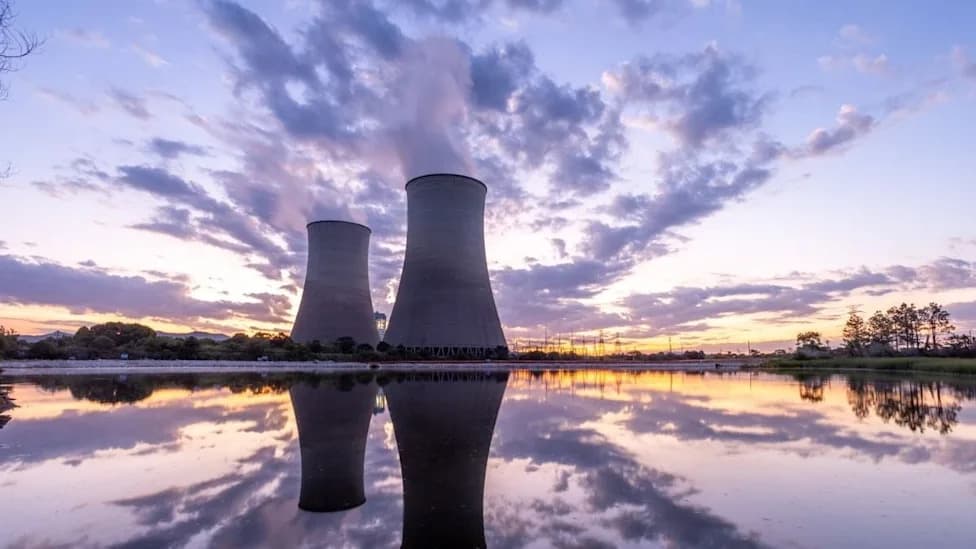
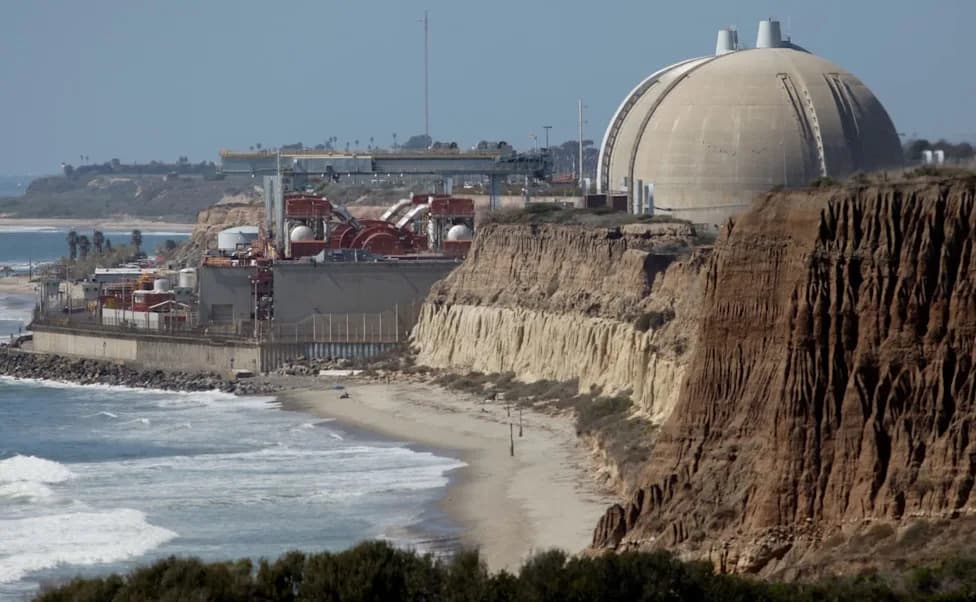
A different nuclear power plant. (Santiago Urquijo/Moment/Getty Images)
Jellyfish blooms forced a precautionary shutdown of four reactors at the Gravelines nuclear power plant in northern France on August 11, 2025, marking a repeat of an identical outage that occurred on the same calendar date a year earlier, EDF said. Plant operators stopped the units after a "massive and unforeseeable presence of jellyfish" clogged the cooling water intakes used to circulate reactor coolant.
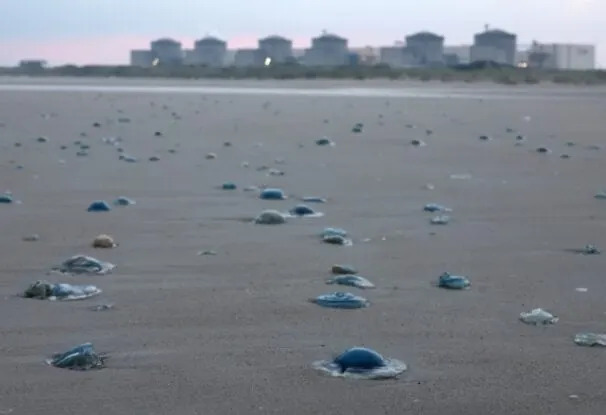
Four units at the Gravelines nuclear power plant were shut down on August 11, 2025 due to the "massive and unforeseeable presence of jellyfish" in the pumping stations for the water used to cool the reactors, EDF announced. (Sameer AL-DOUMY/AFP)
EDF says it spent hundreds of thousands of euros in 2025 on measures intended to prevent further clogging, yet crews faced the same problem 12 months later. Fishing vessels have been deployed to patrol the intake area around the clock while plant teams clear the pumps; EDF expected full-capacity operations to resume within days.
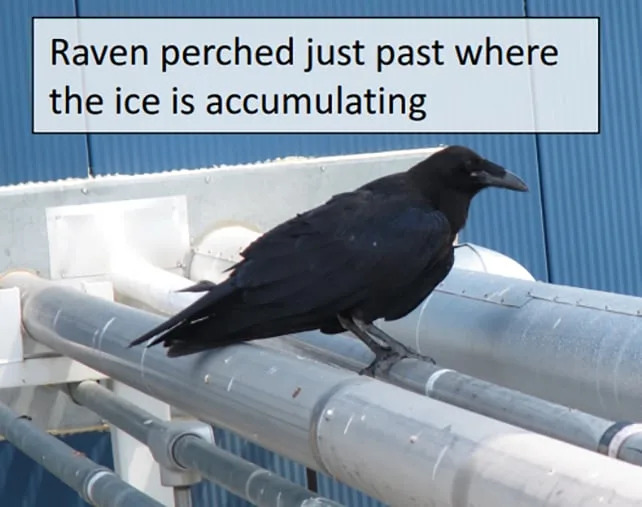
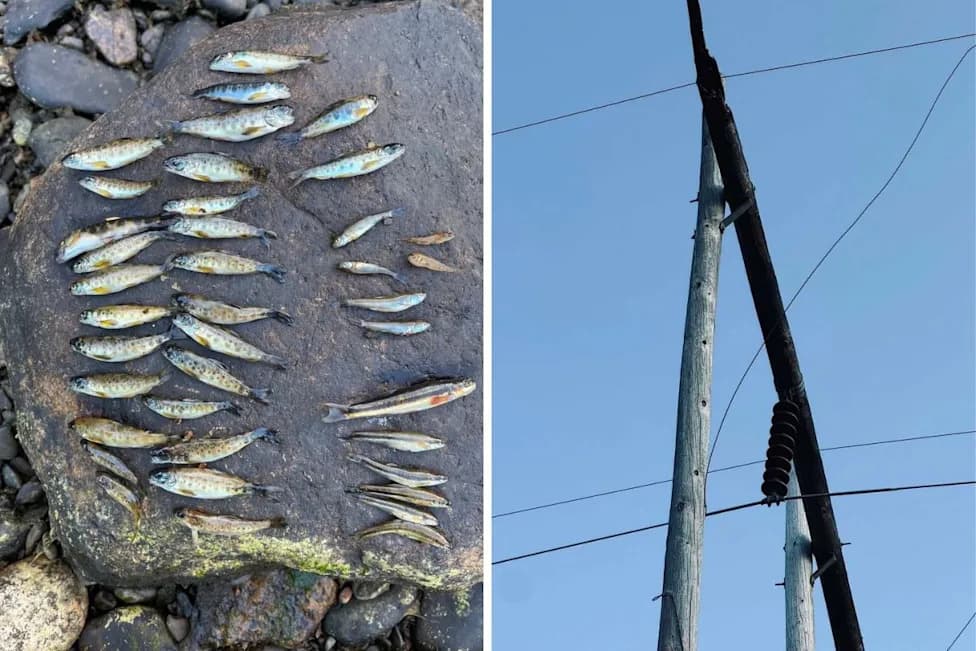
Pecking ravens were caught in the act at LIGO. (Robert Schofield)
Why Jellyfish Blooms Are Increasing
Experts link larger and more frequent jellyfish blooms to environmental changes such as rising sea temperatures, shifts in plankton communities (a primary food source for many jellyfish species), and longer breeding seasons. These changes can accelerate life cycles and increase population surges that overwhelm coastal infrastructure designed for historical conditions.
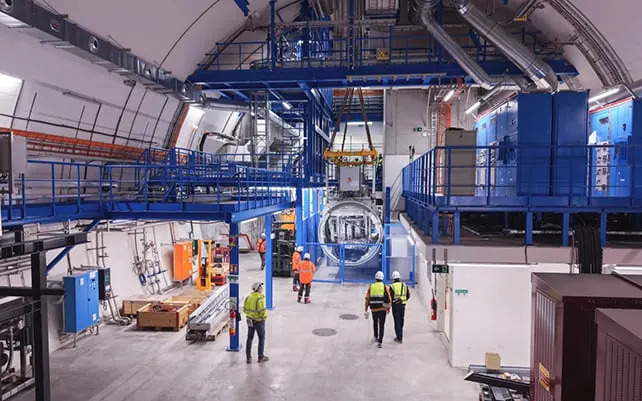
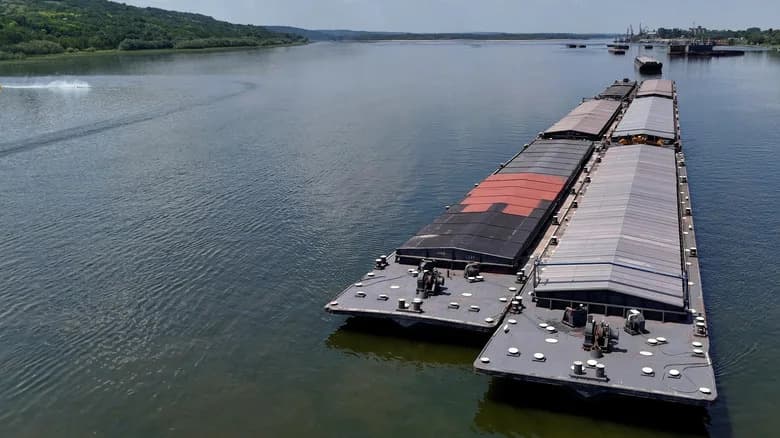
The CERN site is currently undergoing major maintenance and upgrade work. (CERN)
Other Examples of Wildlife Disrupting Critical Systems
The Gravelines incidents are part of a broader pattern of wildlife affecting human infrastructure. In Connecticut, a raccoon accessed a power substation and damaged equipment, triggering more than 1,000 localized outages and leaving up to 2,500 customers temporarily without power. At the Laser Interferometer Gravitational-Wave Observatory (LIGO) in Washington, logbooks from July 2017 show ravens pecking ice-covered cooling pipes and creating vibrations that produced measurable data glitches; after confirming the cause, staff modified the piping to remove the ice attractant.

Subscribe to ScienceAlert's free fact-checked newsletter
Even high-energy physics sites have odd anecdotes: a 2009 CERN bulletin describes a multi-day repair after a power cut in cryogenic systems; investigators found feathers and a piece of bread near the equipment, and while no definitive cause was proved, the episode illustrates how small, unexpected interactions can cascade into significant disruptions.
What This Means For Infrastructure Planning
These episodes are more than curiosities. They underscore that climate change, habitat alteration, and growing human-wildlife contact can change animal behavior and increase the frequency of infrastructure-impacting events. Utilities and research facilities increasingly need adaptive defenses—physical barriers, monitoring and rapid-response teams, and ecosystem-aware planning—to reduce the risk of outages caused by animals and changing environmental conditions.
Bottom line: As marine and terrestrial ecosystems shift, so too must the design and operation of critical infrastructure to remain resilient against more frequent and diverse biological disruptions.
Help us improve.