Generative AI has demonstrated the ability to design functional viral genomes that never existed in nature. A Stanford–Arc Institute study synthesized nearly 300 AI-generated candidates and activated 16 bacteriophages that infected E. coli. Researchers excluded human and animal viral data and used secure labs, but experts warn that AI could create 'deepfake' pathogens that evade screening and immune detection. The technology offers medical promise but highlights critical gaps in regulation and biodefense.
AI Can Now Design 'Deepfake' Viruses — Biodefense Isn't Ready
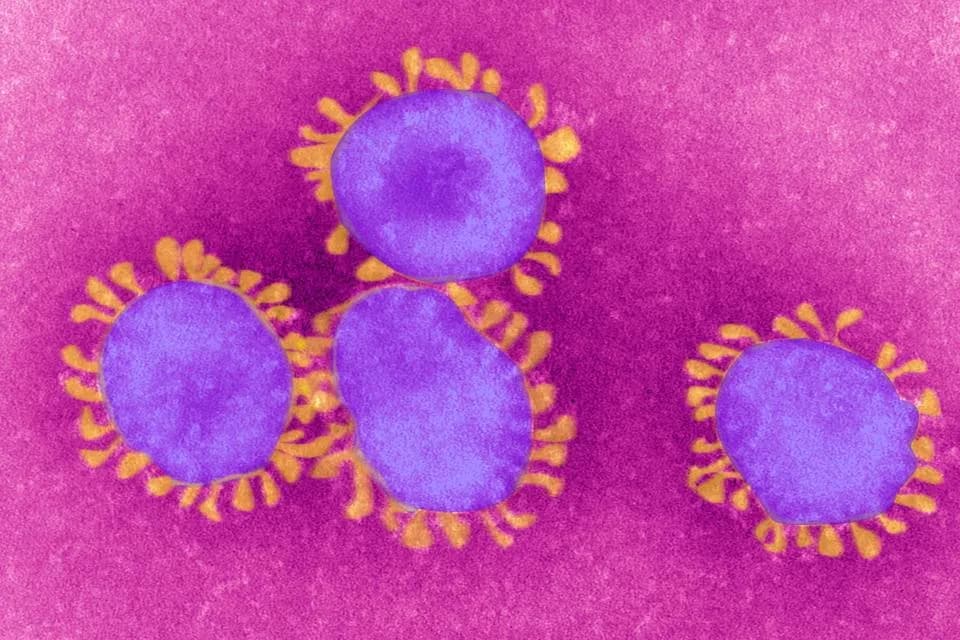
AI can now help make "deepfake" biological viruses and won't trigger our immune systems.Universal Images Group via Getty Images
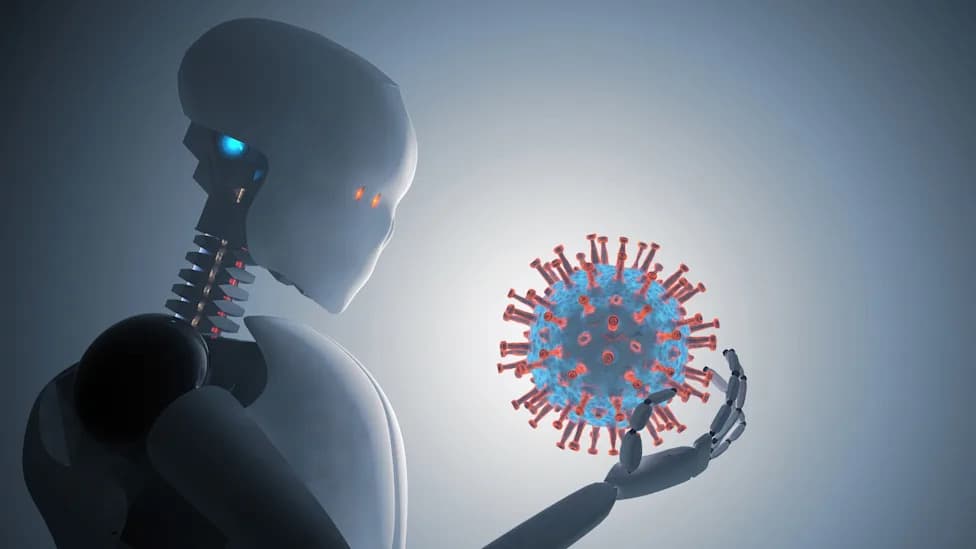
Generative AI has moved from theory to laboratory reality: models can now propose entirely novel viral genomes that function in the real world. A recent paper demonstrated that hundreds of AI-generated candidate genomes were synthesized and that 16 became active bacteriophages that infected E. coli. That capability promises medical benefits but also raises urgent biosecurity and governance questions.
What the Study Showed
On August 6, a team from Stanford and the Arc Institute published a paper in Science showing that generative AI can produce functioning viral genomes that have never existed in nature. The researchers generated hundreds of candidate sequences, synthesized nearly 300 of them, and produced 16 active bacteriophages that infected and killed E. coli.
How This Became Possible
The models used included Evo 1 and Evo 2, built at the Arc Institute by researchers including Eric Nguyen. Evo models and other biological foundation models are trained to compose new DNA and protein sequences. In this case the team intentionally excluded human, animal, plant and fungal virus sequences from training data and ran the work in secure facilities; they also focused on bacteriophages, which infect bacteria rather than humans.
Why 'Deepfake' Viruses Matter
A biological 'deepfake' describes a pathogen that preserves harmful functions while altering its genetic signature enough to evade detection by screening software and by immune recognition. As Eric Nguyen explained, AI can rearrange the "letters" of DNA so a sequence retains function but no longer matches known fingerprints used by synthesis-screening tools or immune memory.
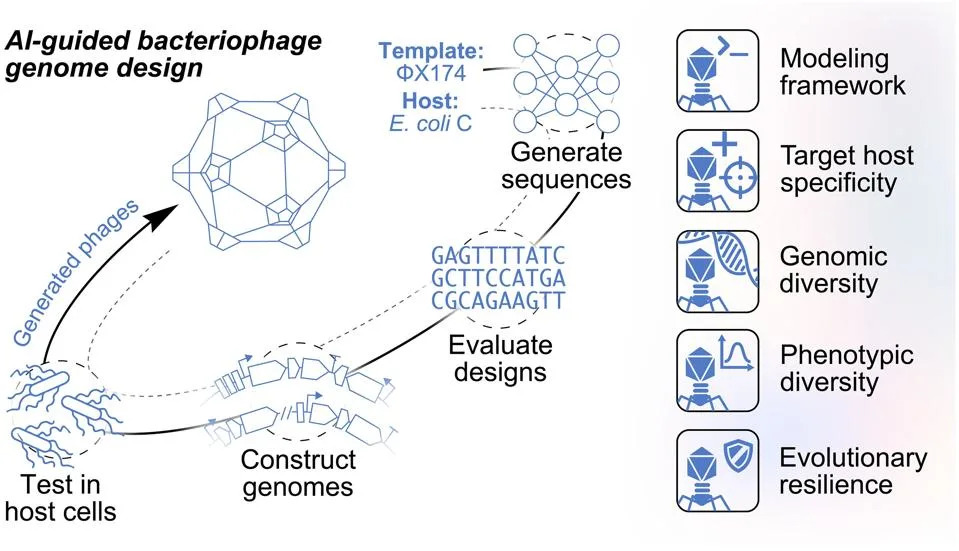
A framework for AI-guided bacteriophage genome design
"You can intentionally design things that can get around these detection systems," Nguyen said on a recent podcast. "That's a growing concern at the national security level."
Existing Protections And Their Limits
Some safeguards exist: DNA synthesis firms commonly screen orders for dangerous sequences, and research is governed in many places by lab safety rules and restrictions on certain kinds of gain-of-function work. But those controls have gaps. U.S. restrictions on federally funded gain-of-function research do not directly address AI composing novel genomes from scratch, and screening systems can be bypassed if functional sequences are disguised.
Opportunity And Risk
This technology also has enormous upside: faster development of personalized therapies, improved phage therapies to fight antibiotic-resistant infections, and rapid countermeasure design in future outbreaks. Yet the risk is structural: global biodefense, attribution, and regulatory regimes were built assuming that making a virus is difficult. AI is changing that assumption quickly.
What Needs To Happen Next
Experts argue for a combination of measures: tighter and more global governance, improved screening methods that look beyond simple sequence matches, investment in rapid-response medical countermeasures, and responsible handling of powerful models (for example, limiting public release when risks outweigh benefits). The researchers who produced the bacteriophages intentionally constrained their work; not everyone will.
Bottom line: The lab demonstration that AI can design functioning viral genomes is real and consequential. It underscores both a major opportunity for medicine and an urgent need to accelerate defenses, oversight and international cooperation.
Help us improve.