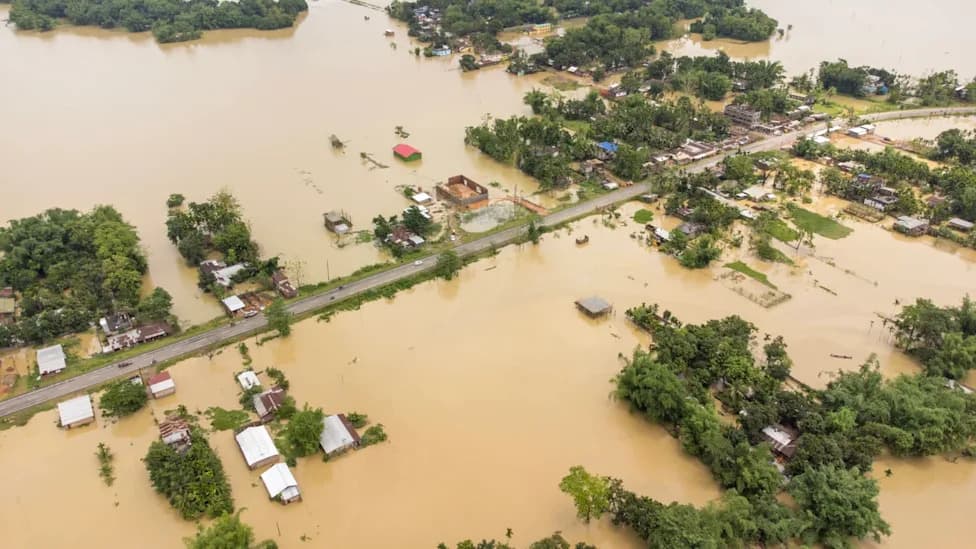
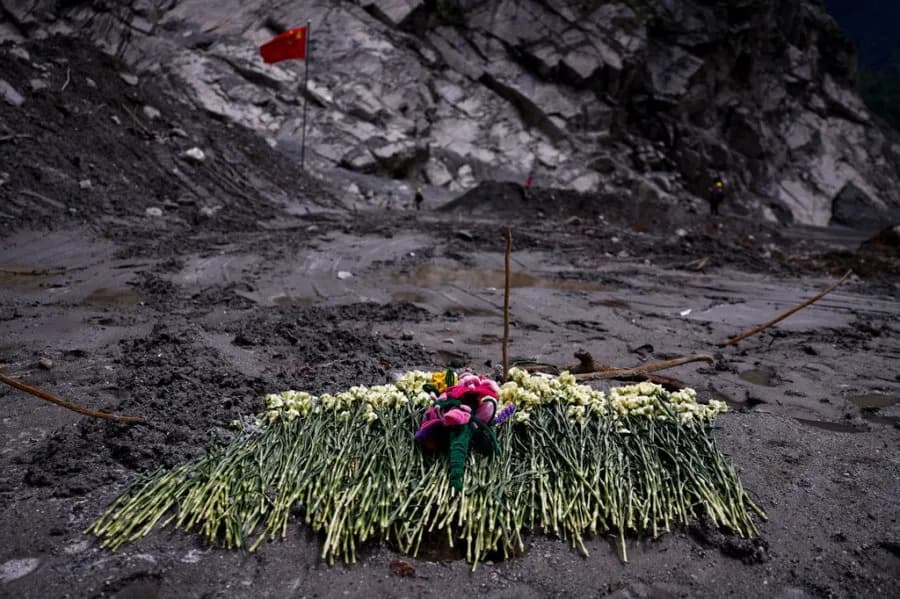
The new study concludes that human factors—deforestation, unplanned urbanisation, poor drainage and rigid embankments—amplified ordinary monsoon rains into this summer's catastrophic floods in Assam. The event has killed 103 people, displaced over 700,000 and submerged about 45,000 hectares of farmland. Experts urge wetland restoration, improved land and river management, and proactive early action even as long-term climate change continues to reshape Himalayan melt and river behaviour.
Human Failures, Not Climate Change, Largely Responsible For Devastating Assam Floods
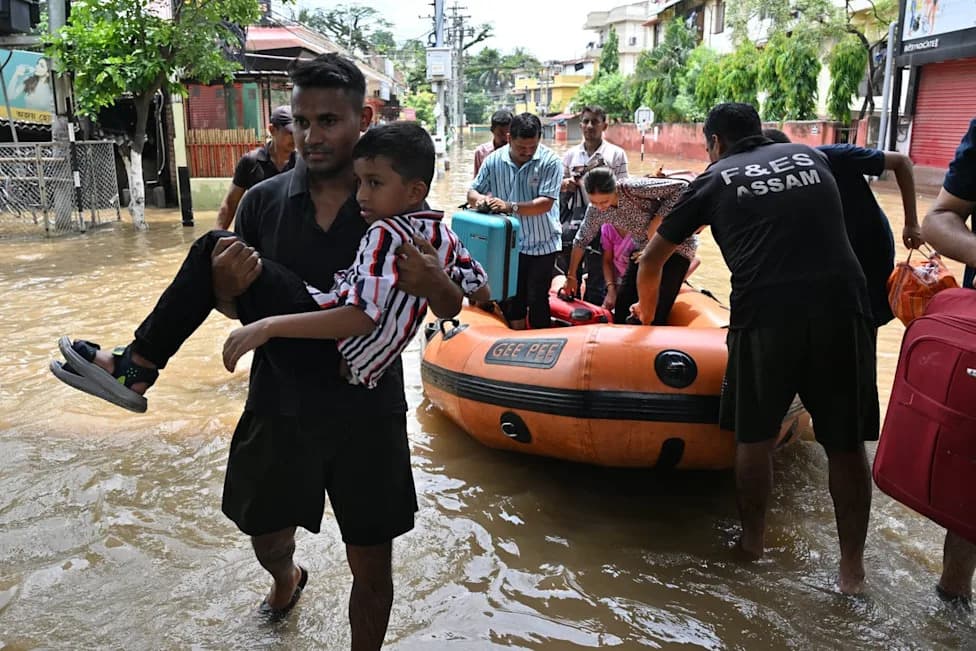
State Disaster Response Fund (SDRF) personnel rescue residents from a flooded area after heavy rainfall in Guwahati on 24 July 2026 (AFP/Getty)
A new analysis finds that this summer's deadly floods in Assam were driven more by local human factors—such as unchecked deforestation, unplanned development and rigid river engineering—than by a direct increase in extreme rainfall from climate change.
Overview
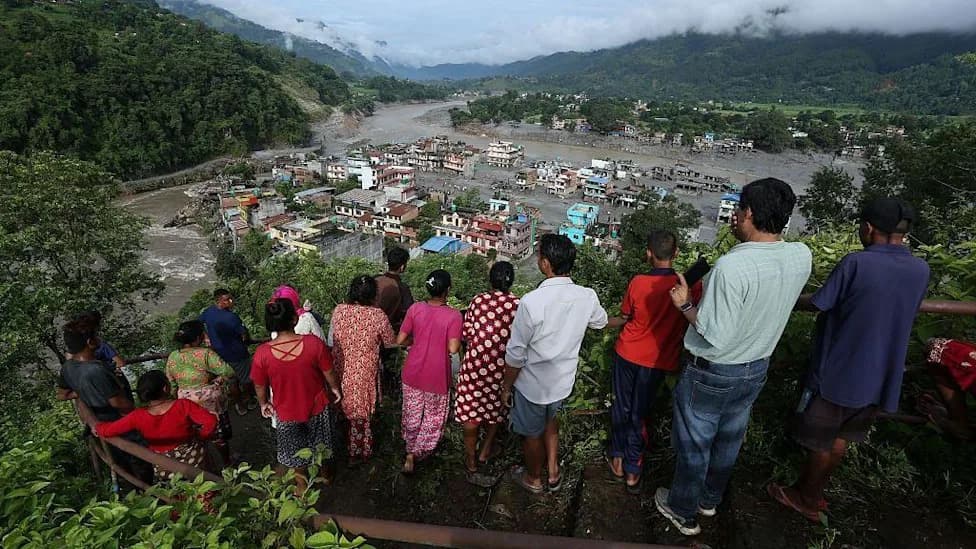
The floods that began in late June have killed 103 people, displaced more than 700,000 residents and submerged roughly 45,000 hectares of cropland. As waters recede many households are returning home, but about 49,000 people remain sheltered in 125 relief camps and distribution centres, officials said. Tens of thousands of farm animals and pets were lost, putting long-term pressure on livelihoods in an area heavily dependent on livestock.
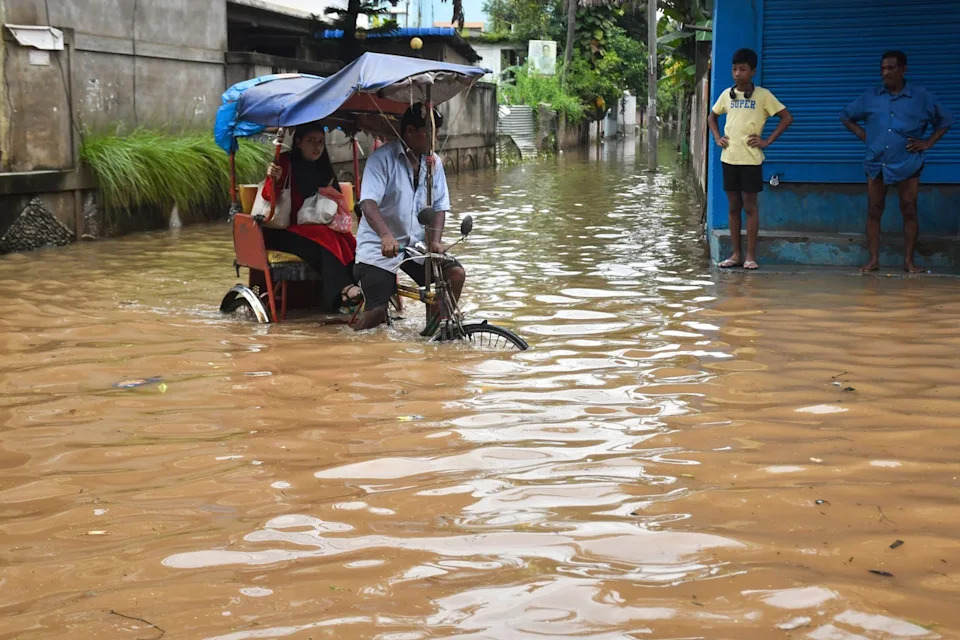
A resident commutes in a cycle rickshaw through a flooded street following heavy rainfall in Guwahati, Assam (AFP/Getty)
Why Ordinary Rain Became Catastrophic
World Weather Attribution, an international group that assesses the role of global warming in extreme weather events, analysed the heaviest three-day and 30-day monsoon totals and compared today's climate with a reconstructed climate 1.4°C cooler. The team found the rainfall that triggered the floods was typical for the region, expected roughly every one to two years, and detected no clear influence from current warming on those heavy-rain events.
“While climate change is making life harder for most Indians, not every disaster is a climate change disaster,” said Friederike Otto of Imperial College London, a co-author of the study. “The devastating flooding in Assam was instead driven by extreme human exposure, environmental degradation, and infrastructure limitations.”
Human Factors That Increased Risk
Researchers and relief agencies point to several immediate causes that amplified the impact of routine monsoon rains:
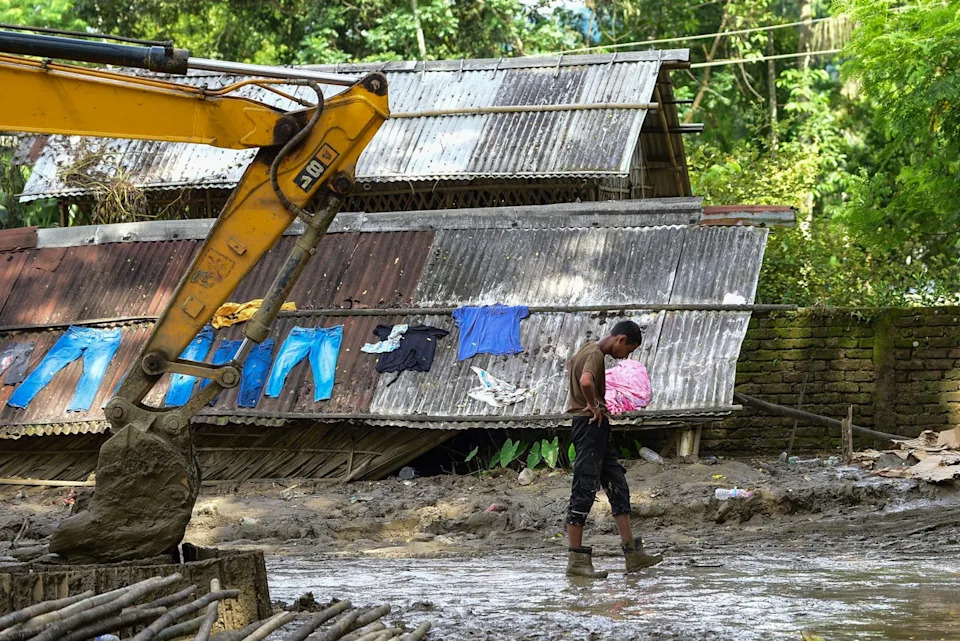
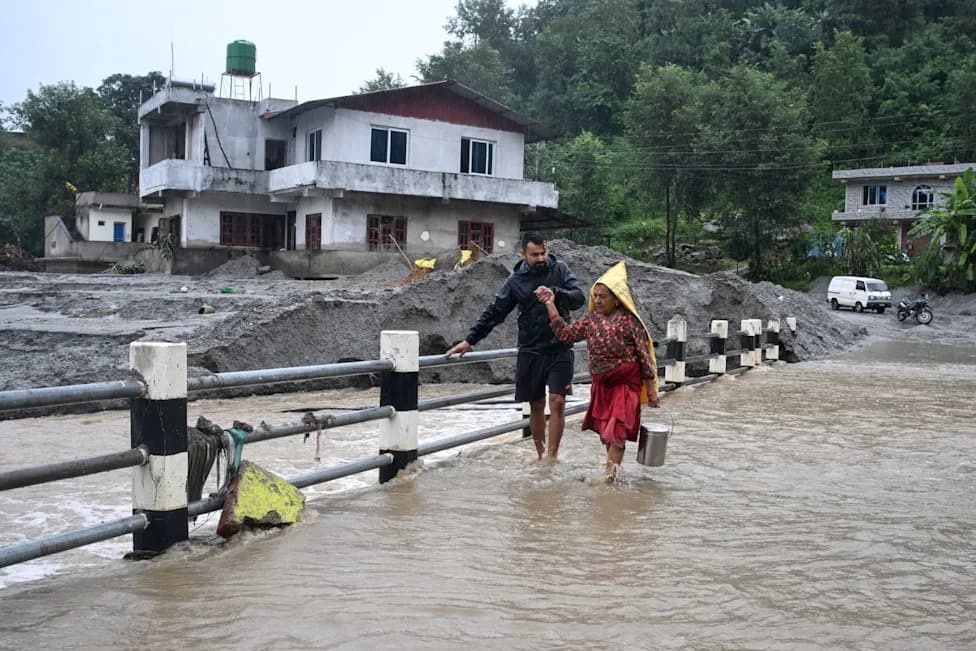
A resident walks past an excavator clearing mud and debris beside a flood damaged house (Getty)
- Deforestation and loss of wetlands that would normally absorb floodwaters.
- Unplanned urbanisation and poor drainage that concentrate runoff in towns and settlements.
- Rigid concrete embankments and anti-erosion works that trap silt, raise riverbeds and block natural drainage, increasing the risk of catastrophic breaches.
- High sediment loads in the Brahmaputra, which steadily lift the riverbed and reduce channel capacity.
Impact on Health, Infrastructure and Livelihoods
The floods exposed weaknesses in health and emergency systems: submerged roads cut off primary-care clinics, medicine supplies for chronic patients were interrupted, and crowded relief camps increase the risk of disease outbreaks. With cattle sheds and grazing land under water, many families face prolonged income loss.
Uncertainties and the Role of Climate Change
Study authors caution that uncertainties remain because of low station coverage and climate models' difficulty capturing hilly-region processes. The five datasets used showed some disagreement; the India Meteorological Department records—informed by the most stations—indicate a decrease rather than an increase in heavy rainfall locally. Experts nevertheless warn that ongoing warming will continue to alter Himalayan glaciers and snowpack, changing meltwater contributions to rivers and potentially affecting future flood behaviour.
Recommendations
Experts recommend shifting from rigid, short-term engineering toward living-with-rivers approaches: wetland and floodplain restoration, improved early-action systems, proactive land-use planning, better drainage and community-centred preparedness. As Emmanuel Raju of the Copenhagen Centre for Disaster Research put it, “Marginalised populations living on flood-prone sandbars and reliance on rigid concrete embankments can be a recipe for disaster.”
Bottom line: Ordinary monsoon rains became a humanitarian crisis because of exposure, environmental degradation and infrastructure choices. Tackling these human drivers—while preparing for long-term climate impacts on Himalayan melt—will be essential to reduce future risk.
Help us improve.