New research in Biltmore Forest, NC, found 373 ticks collected from 22 lawns between November 2024 and August 2025; 76.9% were blacklegged (deer) ticks and 39.6% of adult blacklegged ticks carried Borrelia burgdorferi. Investigators also detected Anaplasma phagocytophilum and Borrelia miyamotoi, signaling expanding regional risk. Experts caution clinicians to consider tick-borne diseases even where they were once uncommon and call for faster, more sensitive diagnostics.
Lyme-Carrying Ticks Move South: New Study Finds High Infection Rates in Biltmore Forest, NC

Angela Newman hiking the Appalachian Trail near her home in North Carolina. Her experience with Lyme disease prompted research into the migration of ticks southward. (Angela Newman)
Angela Newman, 57, of Biltmore Forest, North Carolina, spent years seeking answers for intermittent numbness, blurred vision, a stiff neck and hypersensitive skin. After consultations with multiple specialists and scans, she was told her symptoms suggested anxiety or depression. A friend at a college reunion suggested Lyme disease; a test she insisted on eventually confirmed infection. Antibiotics produced improvement, but the diagnosis took five years.
New Research Finds Established Lyme Risk in Southern Community
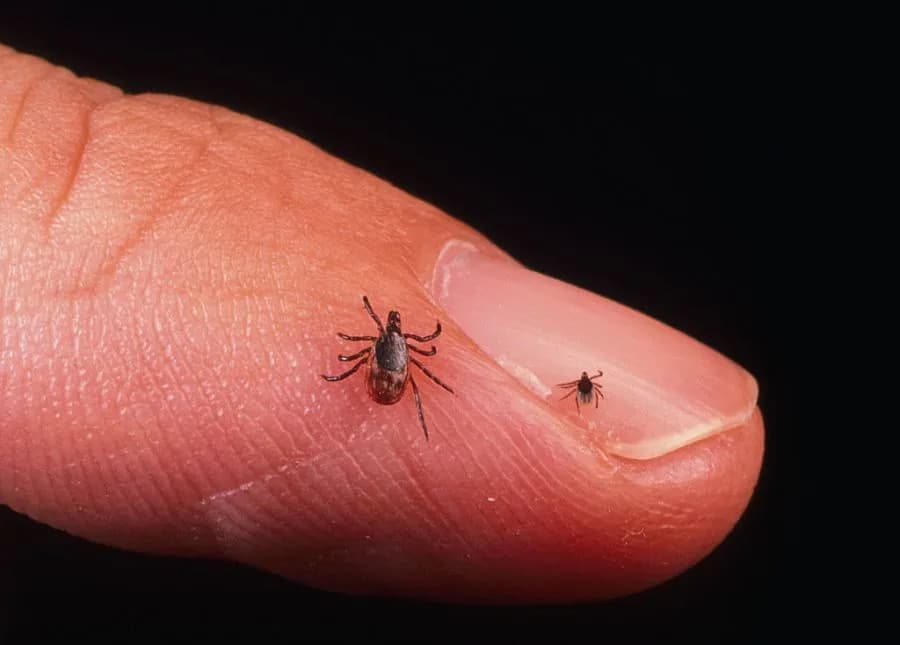
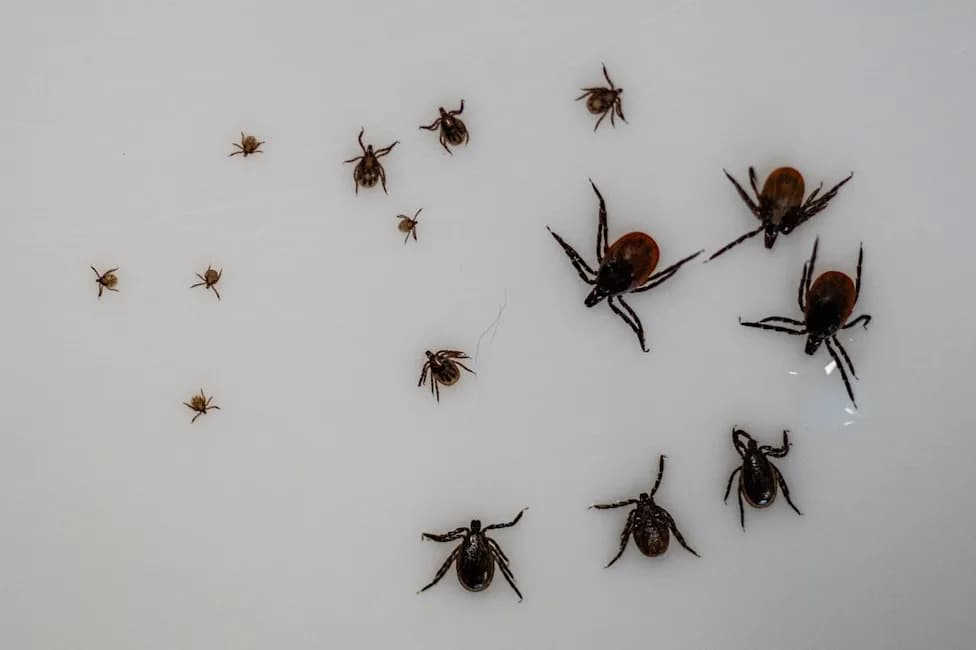
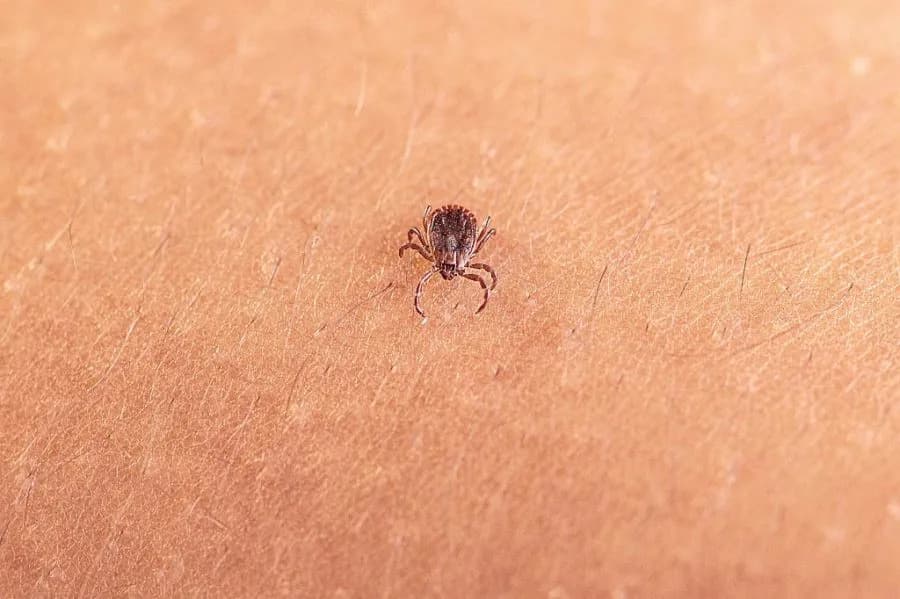
Published research led by Dr. Ross Boyce of the University of North Carolina and supported by CDC testing documents that blacklegged (deer) ticks carrying Lyme and other pathogens have established a foothold in Biltmore Forest, a small mountain town near Asheville.
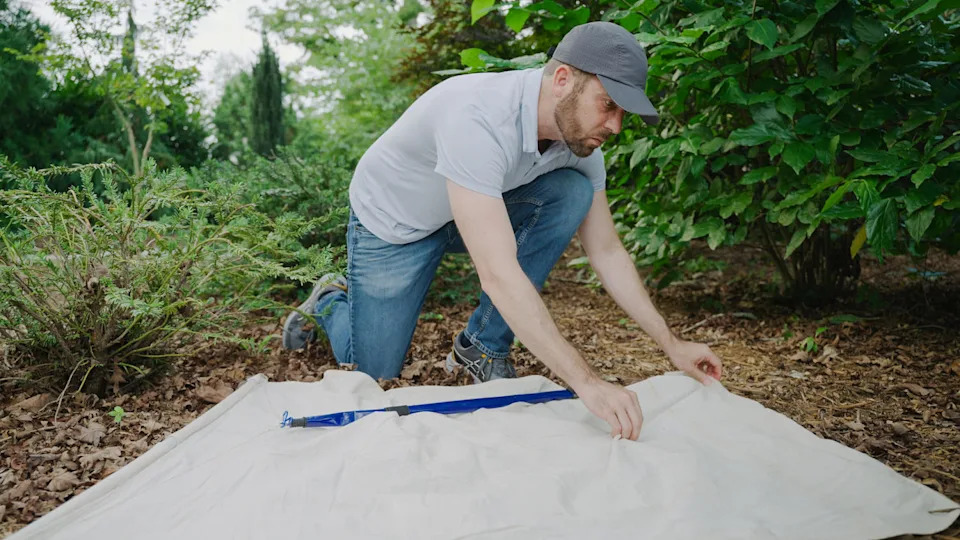
Dr. Ross Boyce of the University of North Carolina School of Medicine collects ticks in Biltmore Forest, N.C. (UNC School of Medicine)
From November 2024 through August 2025, researchers canvassed 22 household lawns and collected 373 ticks. The team found that 76.9% of the ticks were blacklegged ticks, and 39.6% of the adult blacklegged ticks tested positive for Borrelia burgdorferi, the bacterium that causes Lyme disease — a positivity rate comparable to longtime Lyme hotspots in the Northeast.
Other Pathogens Detected
In addition to B. burgdorferi, the study identified ticks carrying Anaplasma phagocytophilum and Borrelia miyamotoi — the latter causes hard-tick relapsing fever and has usually been associated with the Northeast and Midwest. Both can cause flu-like illness in people. These detections in North Carolina are notable and raise the index of suspicion for diverse tick-borne infections in the region.

The Biltmore Estate in Biltmore Forest, Asheville, N.C., along the Blue Ridge Mountains. (Michael Warren / Getty Images)
"It was always thought that Rocky Mountain spotted fever was our major tick-borne disease," said Dr. Ross Boyce. "This is a slam dunk that Lyme should be considered farther south than previously thought."
Local Impact and Community Response
Biltmore Forest, home to roughly 1,500 residents, reported 17 Lyme cases linked to the study area. Town manager Jonathan Kanipe described frequent encounters with ticks on municipal workers and even finding ticks while walking next to grass in a parking lot. Newman and Kanipe helped organize a community awareness campaign that led to the study; both are listed as citizen co-authors.
Why Ticks Are Moving
Scientists link part of the geographic shift to warmer winters, changing wildlife distributions and expanding habitats for deer, mice and other small mammals that host ticks. As these animal hosts move or increase in number, ticks and the pathogens they carry follow, expanding risk to new communities.
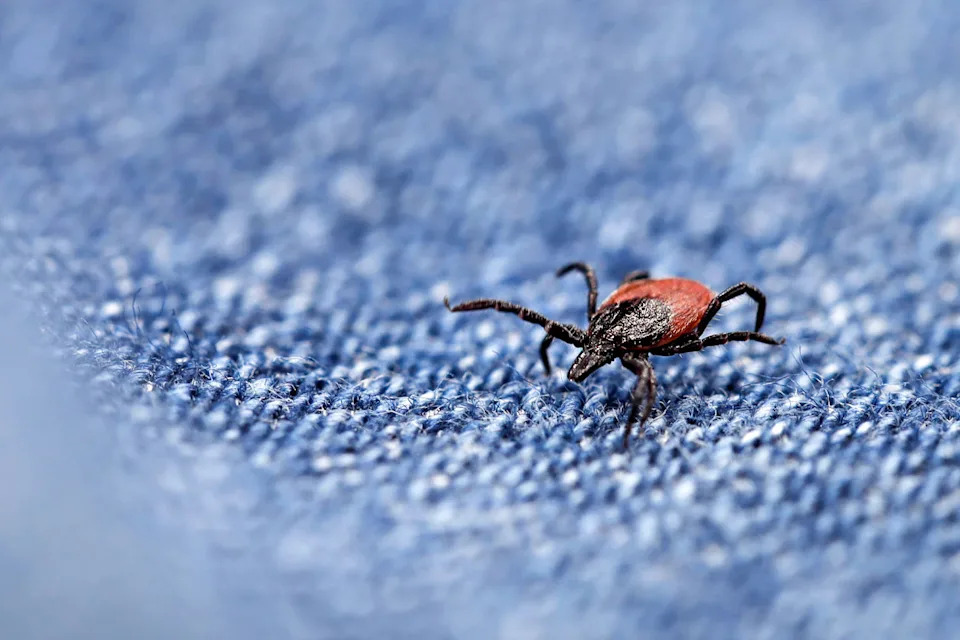
Andreas Häuslbetz / Getty Images
Clinical Implications and Diagnostic Challenges
Public health experts warn that the spread of infected ticks has outpaced clinician awareness and diagnostic readiness. Many clinicians rely on standard antibody tests that may not become reliably positive until several weeks after infection, potentially delaying diagnosis or missing early cases. An editorial in the Journal of the American Medical Association recently urged development of faster, more sensitive tests to support earlier treatment and better research.
Until diagnostics improve, experts recommend that emergency-room doctors and primary care clinicians consider Lyme and other tick-borne diseases in patients with otherwise unexplained neurological, musculoskeletal or systemic symptoms — even in areas where Lyme was once rare.
Limitations and Next Steps
The Biltmore Forest study sampled ticks from a limited number of yards (22) over a defined period (Nov 2024–Aug 2025), so results are geographically specific. Still, the high proportion of infected adult ticks and the detection of additional pathogens are strong signals that clinicians, public health officials and residents should take seriously. Ongoing surveillance, public education, tick-avoidance measures and investment in faster diagnostics are critical next steps.
Practical Advice: Use EPA-registered repellents, wear long clothing in tick habitat, perform daily tick checks after outdoor activities, and seek prompt medical evaluation for unexplained fevers, rashes, neurological symptoms or joint swelling.
Help us improve.