At least 45 MQ-9 Reaper drones—about a quarter of the U.S. fleet—have been lost during the campaign against Iran, with replacement costs up to $1.3 billion. Losses include drones shot down and aircraft that crashed after losing operator connections. The fleet fell from roughly 185 to about 135 drones, raising concerns among senior officers. A CSIS report warns that broader munitions shortfalls could persist through 2030, and the Pentagon is pushing industry to accelerate production.
U.S. Loses Nearly a Quarter Of Its MQ-9 Reaper Fleet In Campaign Against Iran
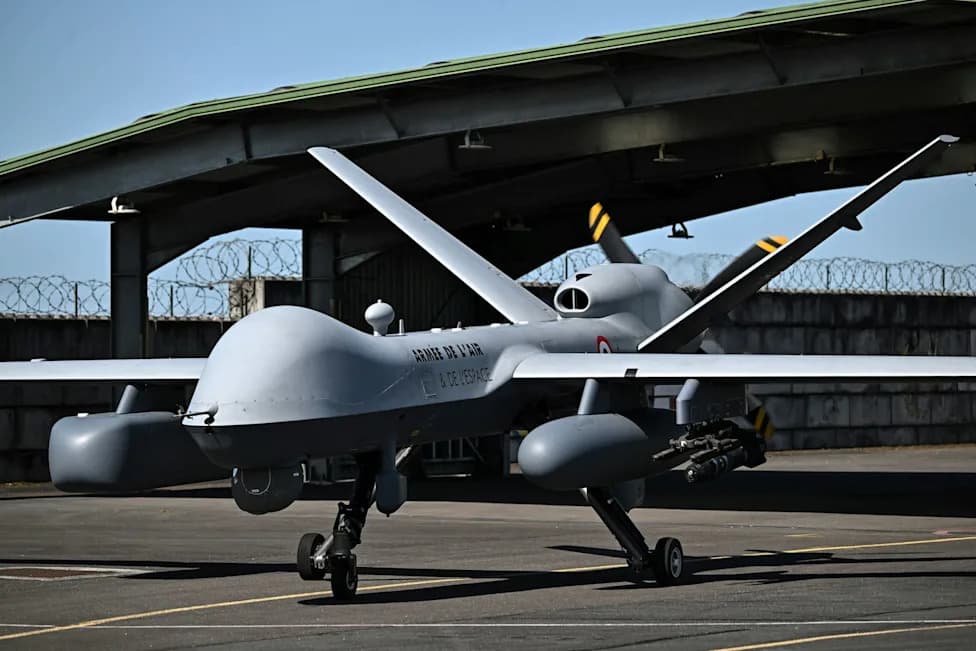
Trump Has Lost Nearly a Quarter of Key Drone Stockpile in Iran
The United States has lost roughly one quarter of its MQ-9 Reaper drone inventory during the ongoing campaign against Iran, according to current and former U.S. officials.
What Happened
Three U.S. officials told The Washington Post that at least 45 MQ-9 Reaper drones have been lost. A fourth official clarified that not all losses were the result of enemy fire: some Reapers reportedly crashed after operators lost their connection to the aircraft.
Scale And Cost
At the start of the campaign the U.S. fleet comprised about 185 Reapers—approximately 165 assigned to the Air Force and 20 to the Marine Corps. A Marine Corps spokesperson, Lt. Col. Joshua Benson, said none of the Marine Corps' Reapers were lost. By May, Air Force Lt. Gen. David Tabor told the Senate the fleet had fallen to roughly 135 drones, and he said he was "concerned" about the level of attrition.
Each Reaper costs roughly $30 million to $50 million, depending on its sensor package. At that rate, the replacement value of the lost or destroyed drones could be as much as $1.3 billion.
Broader Strategic Impact
Reaper attrition adds to a broader pattern of U.S. weapons being expended faster than they can be replaced. A Center for Strategic and International Studies (CSIS) report published in May estimated it could take until at least 2030 to rebuild U.S. missile stockpiles to pre-campaign levels—creating a multi-year "window of vulnerability" for future conflicts.
Since that report, the United States has continued military strikes. Analysts estimate the administration's campaign against Iran has incurred costs exceeding $100 billion.
Government Response
Officials have disputed some media accounts that the U.S. is running critically low on munitions, though reports of shortages have reportedly drawn strong reactions from the White House. In response to the equipment shortfall, the Pentagon has moved to accelerate production: Deputy Defense Secretary Steve Feinberg asked defense industry leaders to submit plans within three weeks to "drive significantly faster, more aggressive delivery schedules and/or increased production for critical capabilities."
Pentagon spokesman Sean Parnell said the department is focused on boosting munitions acquisitions to provide "the weapons our warfighters need at the pace the threat demands," and noted some production initiatives predated the current campaign.
What To Watch
- Whether industry proposals can meaningfully accelerate production timelines.
- How quickly attrition can be replaced without compromising other defense priorities.
- Any changes in operational tempo or tactics to conserve remaining assets.
Help us improve.