The world’s oceans recorded their warmest July on record, with an average non-polar sea surface temperature of 69.73°F (20.96°C), slightly exceeding the 2023 high. Marine heatwaves around Western Europe and the emergence of El Niño are the primary drivers. The combined marine and land heat has lowered river levels (Seine, Rhine, Danube), strained water, farming and energy systems, and coincided with about 1.24 million acres burned in 2026. Authorities stress monitoring, cleaner energy and resilient infrastructure to reduce impacts.
World’s Oceans Hit Hottest July on Record as Western Europe Heatwaves and El Niño Intensify
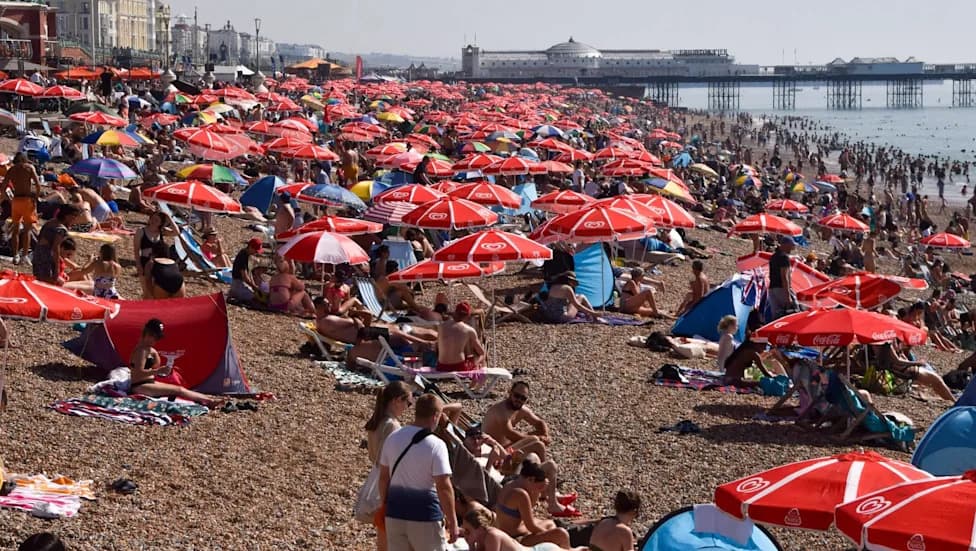
Photo Credit: iStock
The world’s oceans recorded their warmest July on record, a sign that heat is concentrating in the planet’s most important climate buffer.
Copernicus Climate Change Service data, reported by Oceanographic Magazine, show the average July sea surface temperature across the ocean’s non-polar regions reached 69.73°F (20.96°C), narrowly surpassing the previous July record of 69.60°F (20.89°C) set in 2023.
What Drove the Record?
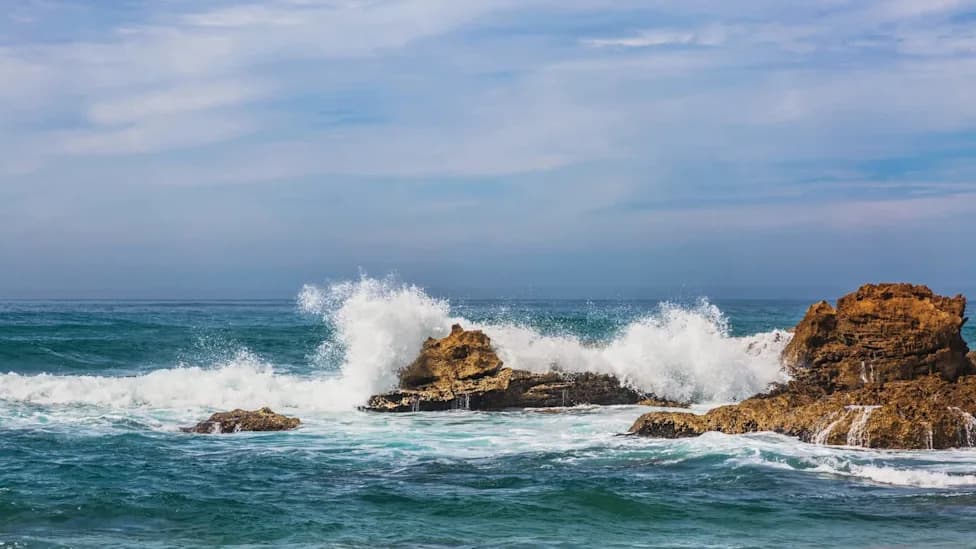
Scientists point to two main contributors: persistent marine heatwaves around Western Europe and the emergence of El Niño in the equatorial Pacific. Along Europe’s Atlantic coast and in the western Mediterranean, marine heatwave conditions were widespread and frequently rated from strong to severe.
Regional Impacts in Western Europe
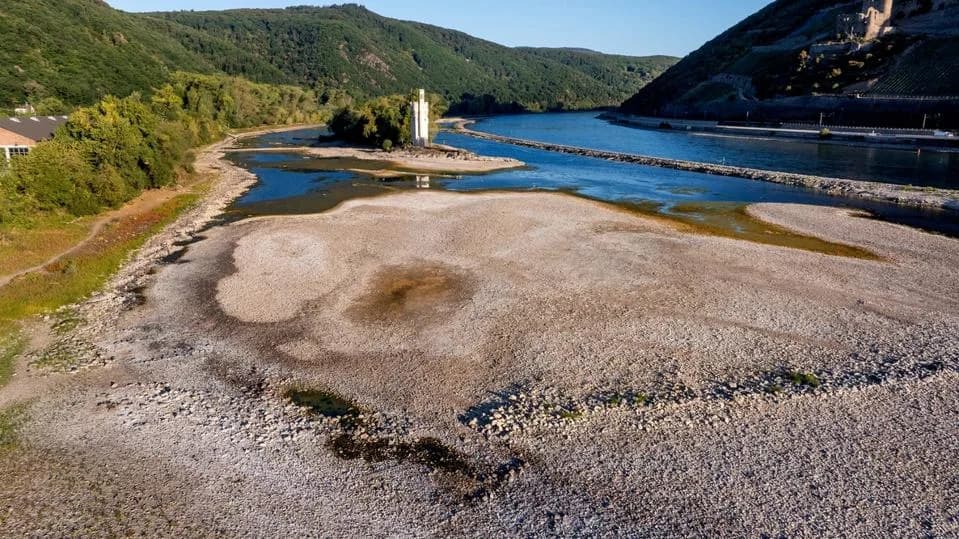
Western Europe also experienced an intense land heatwave in June and July, with average air temperatures about 5.02°F (2.79°C) above normal. Reduced rainfall aggravated drought in parts of the region, pushing down water levels in major rivers such as the Seine, Rhine, and Danube. Low flows are increasing pressure on drinking-water supplies, agriculture and energy production, and disrupting inland shipping.
Ecological and Socioeconomic Consequences
Warmer seas can devastate marine ecosystems and local economies that depend on them. Elevated temperatures threaten nursery habitats such as kelp forests and can trigger die-offs of commercially important species, including lobsters, crabs, scallops, clams and oysters. On land, heatwaves increase the risk of heat illness and death, while droughts endanger crops and drinking water.
So far in 2026 roughly 1.24 million acres (500,852 hectares) of land have burned — an area comparable to the size of Trinidad and Tobago.
Monitoring and Response
Climate and weather agencies continue to monitor ocean temperatures, marine heatwaves, drought and fire activity so governments and communities can better prepare for worsening extremes. Systems such as those operated by Copernicus help identify dangerous trends earlier and guide decisions about water use, agriculture and emergency response.
Longer-term solutions include accelerating the transition to cleaner energy, investing in resilient infrastructure, and strengthening conservation efforts to reduce emissions and increase communities’ ability to cope with damage that is already underway.
Climate stress is not confined to the sea: it extends into hotter cities, strained food systems, damaged ecosystems, lower rivers and more hazardous fire conditions across entire regions.
Help us improve.