Dr. Sylvia Earle, a veteran ocean scientist and conservationist, is championing a new generation of certified submersibles despite the 2023 Titan disaster. Her company DOER Marine plans to send the three‑passenger sub Honu to 1,000 meters in French Polynesia; Earle says properly regulated submersible travel can be "safer than flying." She warns that habitat loss, proposed deep‑sea mining and expanded drilling threaten ocean health, while praising youth engagement as a source of hope for conservation solutions.
Too Old To Dive? Sylvia Earle Says Deep‑Sea Submersibles Can Be ‘Safer Than Flying’ — And Here’s Why
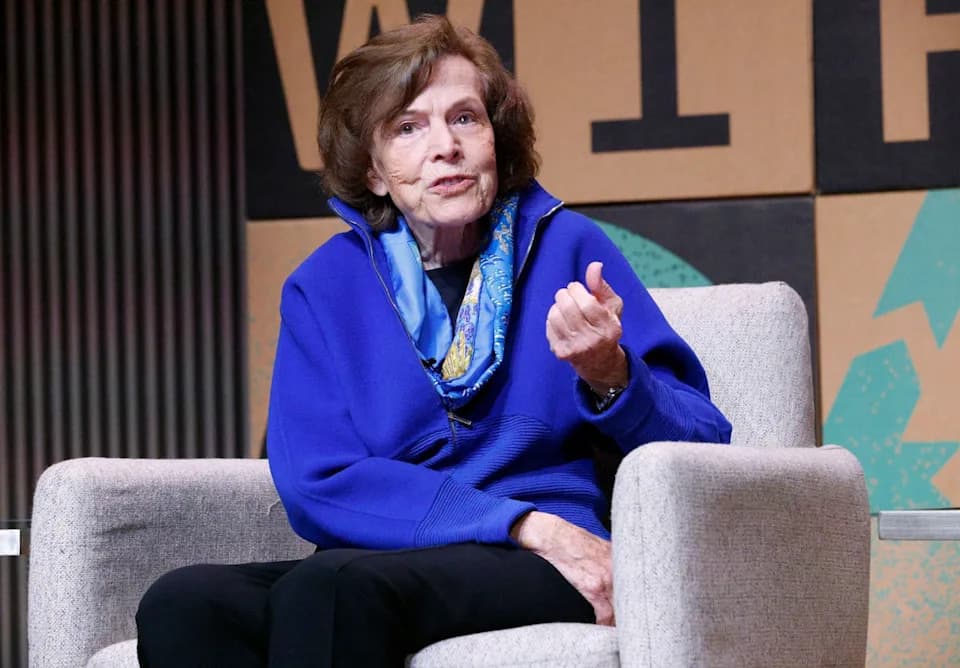
Dr. Sylvia Earle has been a leader in ocean conservation for decades. She says it's never too late to dive in (Getty)
The 2023 Titan tragedy — when a small submersible imploded about 3,500 meters below the Atlantic while attempting to reach the Titanic wreck, killing all five people aboard — cast a long shadow over civilian deep‑sea travel. The accident prompted a U.S. Coast Guard inquiry, led OceanGate to suspend operations and left many people wary of journeys beneath the waves.
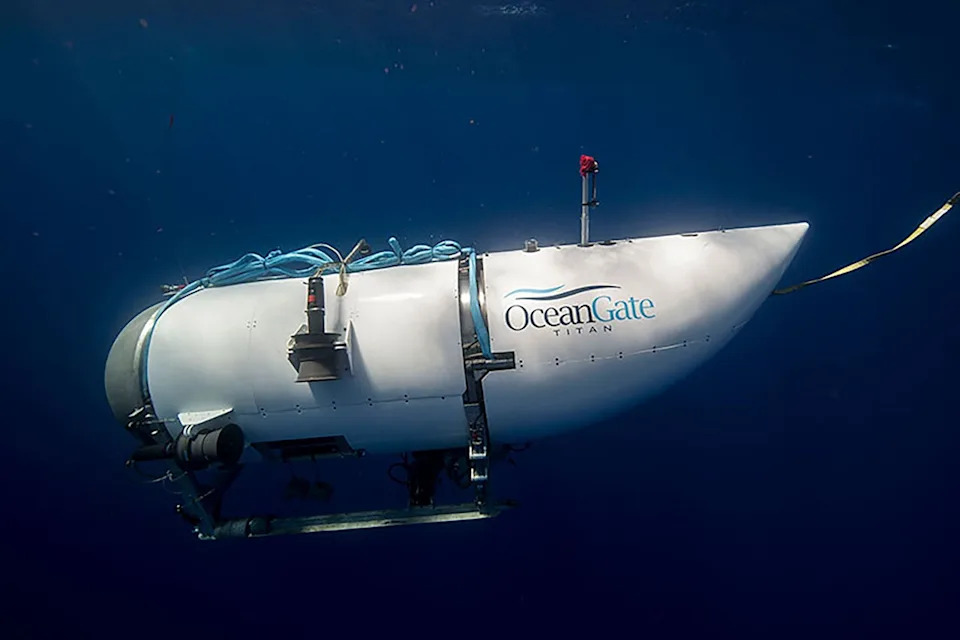
The Titan disaster is what many people think about when they think about underwater submersibles. Earle aims to change that with her new class of vehicles (PA Media)
Still, pioneering ocean scientist Dr. Sylvia Earle is working to rebuild public confidence. Earle, who walked untethered on the deep seafloor and once lived underwater for seven months as part of a research mission, is backing a new generation of certified submersibles designed for safety and scientific exploration.
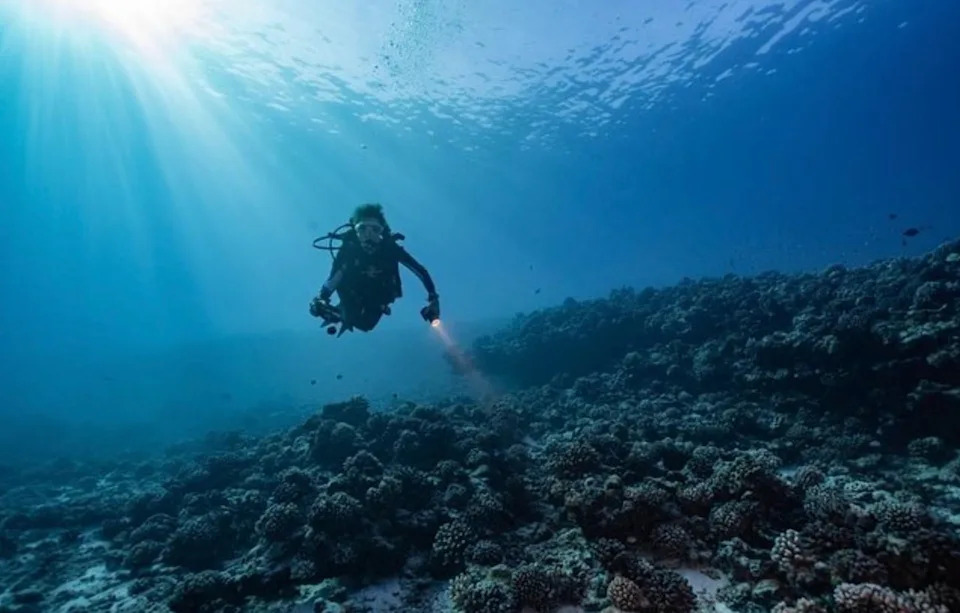
Sylvia Earle dives at Tetiaroa Atoll in French Polynesia. Earle has been spending time in the ocean since she was three years old (Sylvia Earle)
DOER Marine, the company Earle is involved with, has developed a three‑passenger submersible called Honu (Hawaiian for turtle). Honu is scheduled to make its first dive in French Polynesia later this year and is designed to reach depths of 1,000 meters and remain underwater for up to eight hours per excursion.
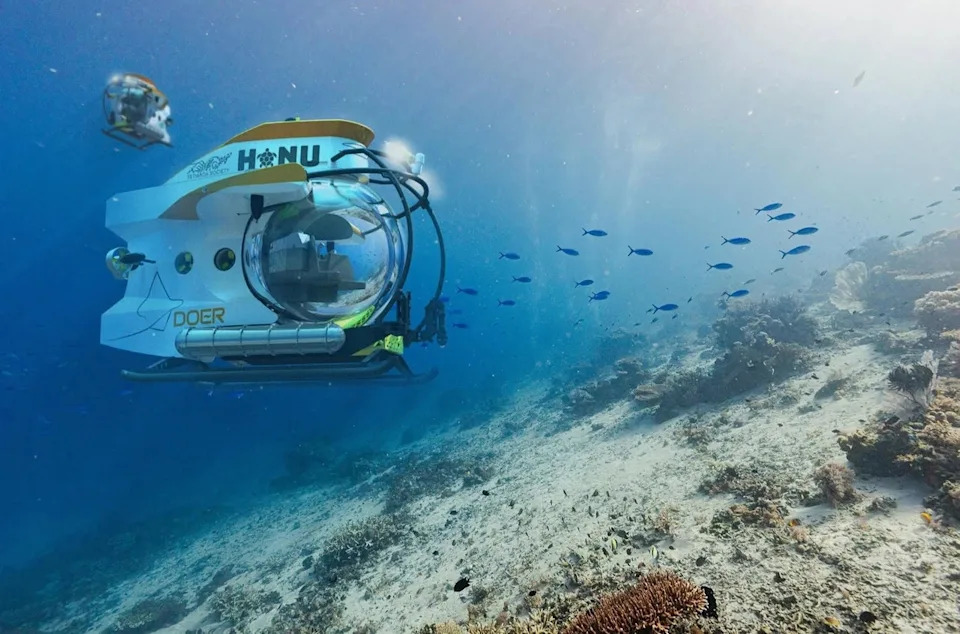
A Honu submersible is seen underwater in this image from DOER Marine. The sub will make its first dive in French Polynesia later this year (Sylvia Earle)
On safety, Earle is clear: when operators and vehicles are certified and regulated by competent agencies, submersible travel can be "safer than flying," she says — provided rigorous oversight is in place to prevent avoidable risks like those that led to the Titan accident.
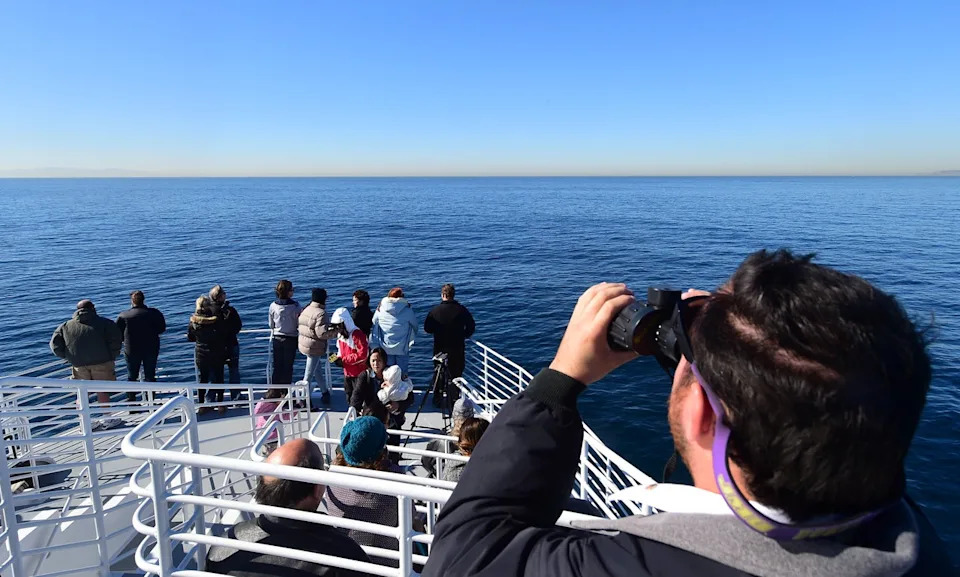
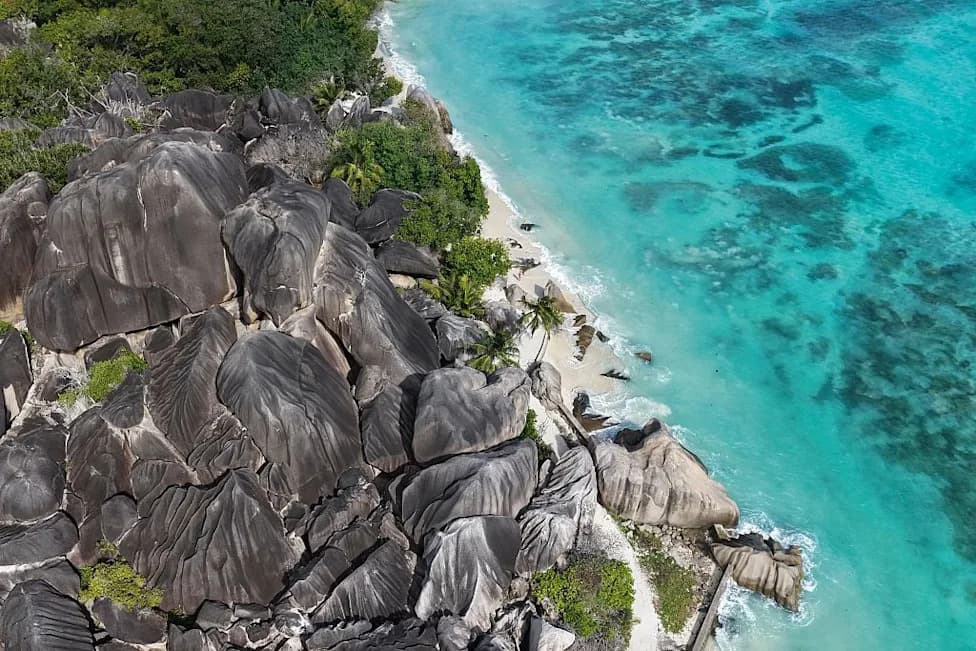
Whale watchers look out at the Pacific Ocean from Long Beach, California, in January 2016. Only .0001 percent of the deep ocean has ever been observed by scientists (AFP/Getty)
About Sylvia Earle
At 90, Earle remains an influential voice in marine science and conservation. Her career highlights include becoming the first female chief scientist at the U.S. National Oceanic and Atmospheric Administration (NOAA) in 1990 and participating in the 1970 Tektite II experiment, when four women lived underwater in the U.S. Virgin Islands to conduct research. Her passion for the ocean began on a New Jersey beach when she was three years old, and she still dives regularly in places such as the Gulf of Mexico and the Flower Garden Banks National Marine Sanctuary.
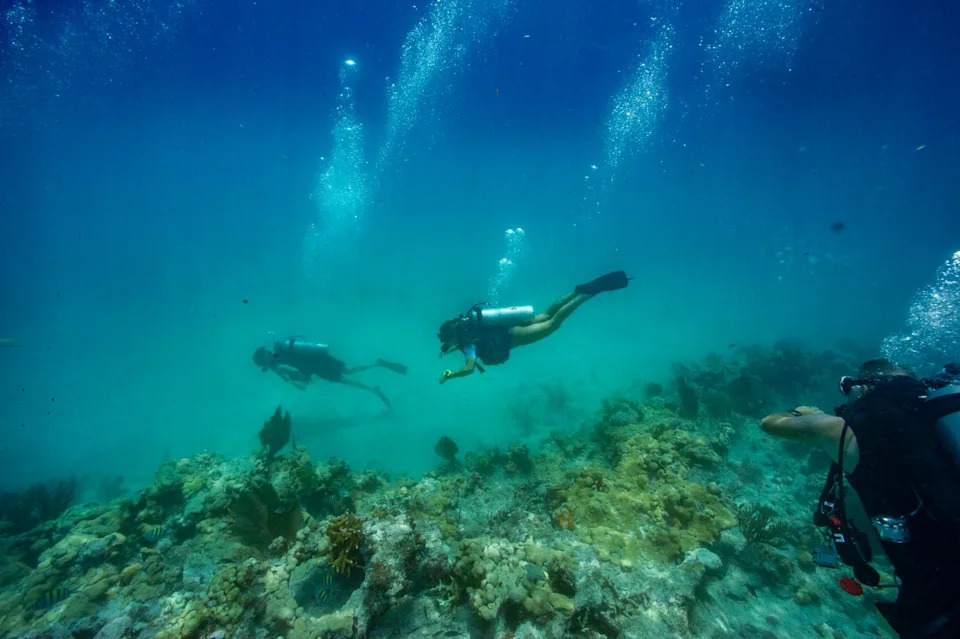
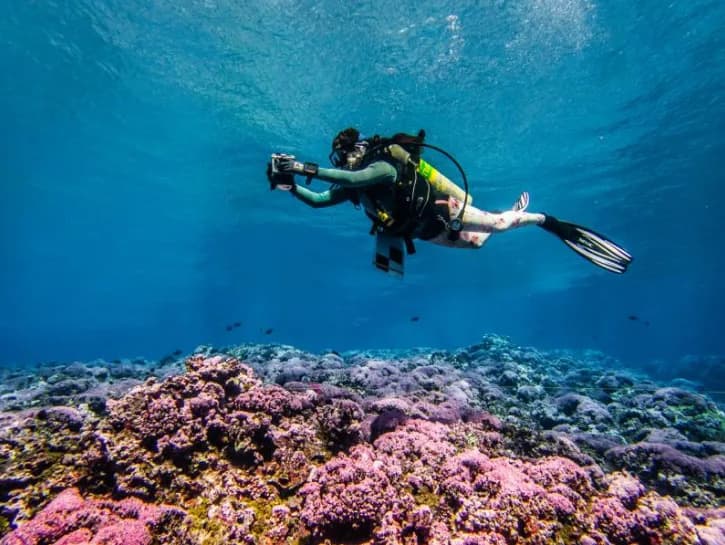
Divers swim around a coral reef in Key West, Florida, in July 2023. The coral reef is the largest in the continental U.S. and helps to support marine life (AFP/Getty)
Why Submersibles Matter
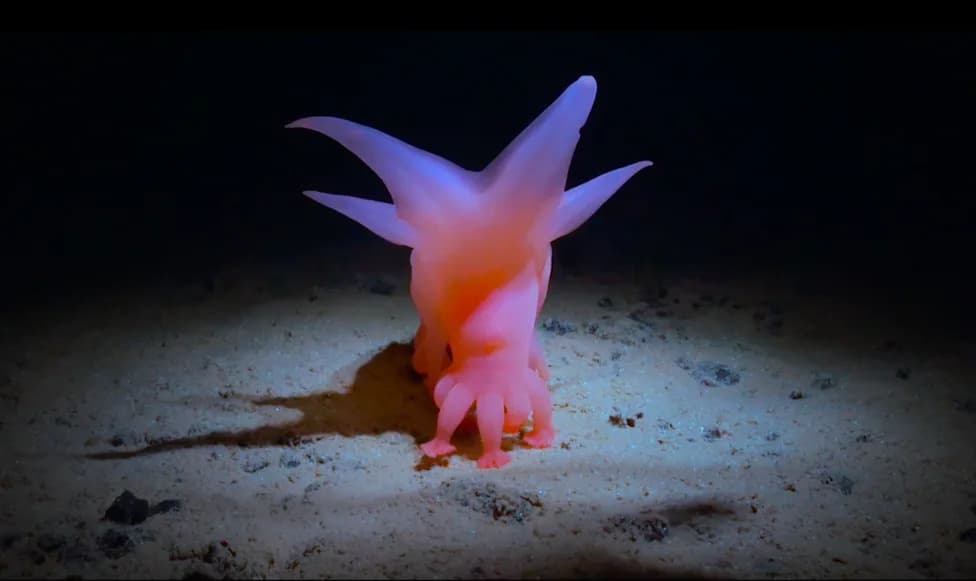
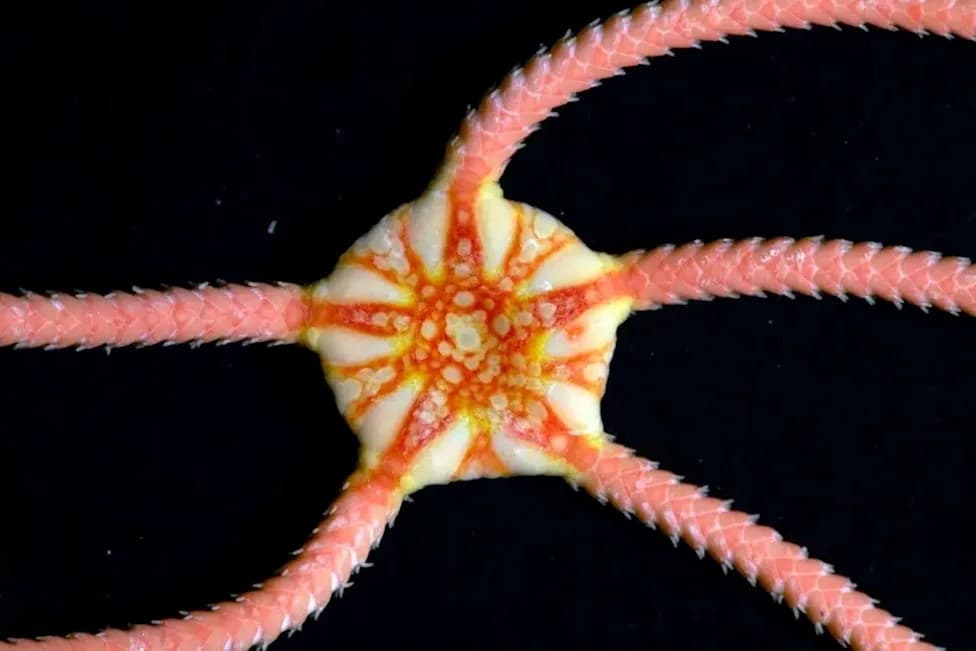
Even though oceans cover more than 70% of the planet, scientists have observed only about 0.0001% of the deep ocean. Submersibles are currently the primary way to study those uncharted depths — vital for understanding marine ecosystems, biodiversity and processes that regulate the climate.
Conservation Concerns
Earle warns that human activity has severely damaged marine ecosystems: roughly half of coral reef systems have been lost, and only about 3% of the ocean is under formal protection. She also highlights policy moves in recent years — including efforts to open some protected areas to deep‑sea mining, reduce protections for marine monuments, and expand offshore drilling — as additional threats to ocean health. Conservationists argue these actions endanger species such as humpback whales and green sea turtles and jeopardize fisheries people depend on for food.
"The ocean is alive," Earle says. "We have been pushing the envelope. We are perilously close to tipping in the wrong direction — but young people know the problems and the solutions, and their engagement gives me hope."
As interest in deep‑sea exploration continues, Earle urges strong regulatory standards, scientific oversight and public education so that submersibles can expand access to and stewardship of the ocean without repeating past mistakes.
Help us improve.