The Resolution Foundation is urging the government to introduce a targeted, means‑tested energy discount that could save eligible households an average of £175 and reach around 40% of homes, at an estimated £2bn cost. The scheme would be available to households where the highest earner takes home under £24,000 and should be operational by January 2027, the report says. Although recent measures could cut bills by roughly £200 from October, rising wholesale prices risk wiping out those gains. The think tank highlights that poorer households cut heating more in the 2022 crisis, arguing for concentrated support now.
Think Tank Urges Targeted £175 Winter Energy Discount for Low‑Income Households

The proposals would follow from prime minister Andy Burnham's move to cut an average £45 a year from energy bills by removing VAT costs (PA)
An influential think tank is urging ministers to introduce a targeted, means‑tested energy discount to protect households facing rising bills this winter.
What’s Being Proposed
The Resolution Foundation says a targeted scheme could reach roughly 40% of households and deliver an average saving of about £175 per eligible household, at an estimated cost of £2bn to the government. Researchers recommend the discount be income‑tested and available to households where the highest earner receives less than £24,000 per year.
Why Now?
The think tank warns ministers to "act fast" so the scheme can be in place ahead of winter demand. The Foundation says targeted support should be switched on by January 2027 to blunt the impact of any further price spikes.
Context: Other Measures and Rising Prices
The report comes amid several recent policy changes that together are projected to reduce typical household energy bills by around £200 from October. These include government decisions to remove VAT on energy charges (estimated to save about £45 a year) and the earlier budget measure that reduced bills by an average of £150 by postponing two energy‑efficiency schemes until April 2026.

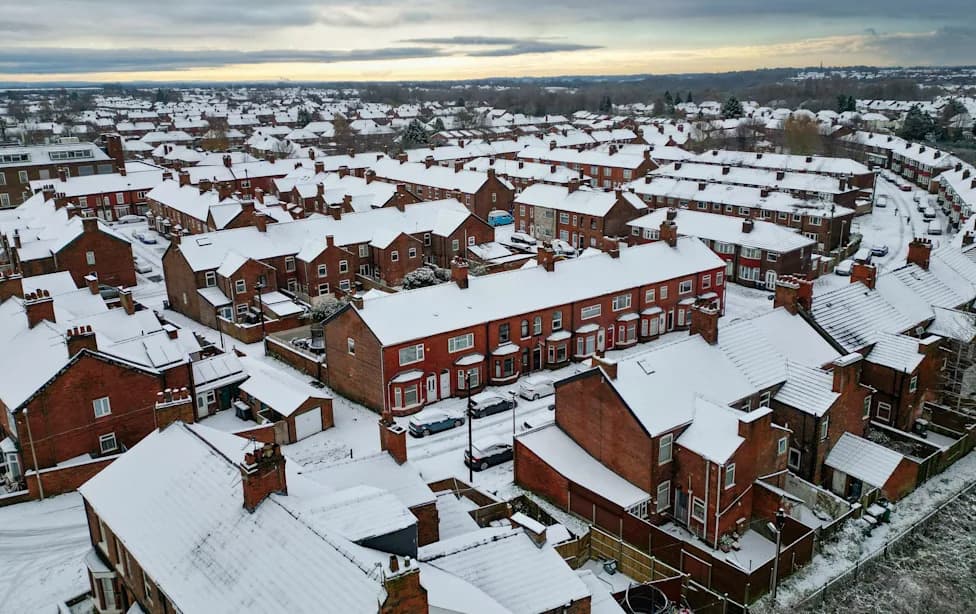
Ofgem's energy price cap rose by £221 a year in July to £1,862 – the highest level in two years (Alamy/PA)
However, rising wholesale prices driven by geopolitical tensions in the Middle East and wider global market volatility threaten to erase those savings. Ofgem increased its energy price cap by £221 in July to £1,862 — the highest level in two years — and the regulator will set the cap for October–December in late August. Analysts warn another rise is possible over winter.
Lessons From 2022
During the 2022 crisis the government delivered a universal support package costing about £44bn. The Resolution Foundation’s analysis found that, under that universal scheme, households in the poorest areas reduced energy use by roughly 15% more than households in wealthier areas — indicating that poorer families were still cutting back on heating despite the support.
Jonathan Marshall, principal economist at the Resolution Foundation, said the last crisis forced the poorest families to heat their homes less than richer households and that a new price spike could worsen this. He argues a targeted discount would reach more of the poorest families while extending help beyond those already on means‑tested benefits.
Existing Schemes And Gaps
The proposed income test would differ from the current Warm Home Discount, which is tied to eligibility for specific benefits. The government has said it will extend the Warm Home Discount until at least the end of the decade, but experts note substantial under‑claiming of qualifying benefits means many eligible households miss out.
A Department for Energy Security and Net Zero spokesperson said: "The energy secretary's priority is bringing bills down for good. We will tackle the cost of living to make life's essentials affordable again and bring back hope."
The Resolution Foundation urges an income‑based, targeted discount to reduce the risk of energy poverty this winter and ensure support reaches households that need it most.
Help us improve.