The USA TODAY Excerpt interview with Jon Marcus examines a wave of small private college closures and the consequences for students, rural towns and taxpayers. A Huron Group projection finds 442 private nonprofit colleges at risk — about 667,000 students — and historically fewer than half of students at closing institutions transfer and complete degrees. Key drivers include demographic decline, questions about return on investment, institutional debt, and the end of pandemic relief; families should press colleges on finances, transferability of credits and stability.
Why Hundreds Of Small Private U.S. Colleges Are Closing — What Students, Towns and Taxpayers Stand To Lose
Why hundreds of private American colleges are shutting down | The Excerpt
On Thursday, August 13, 2026, USA TODAY's The Excerpt podcast explored a growing crisis in U.S. higher education. Host Dana Taylor interviewed Jon Marcus, an investigative reporter at The Hechinger Report, about why many small private colleges are failing and what the fallout means for students, local communities and taxpayers.
Overview: Sterling College and a Wider Trend
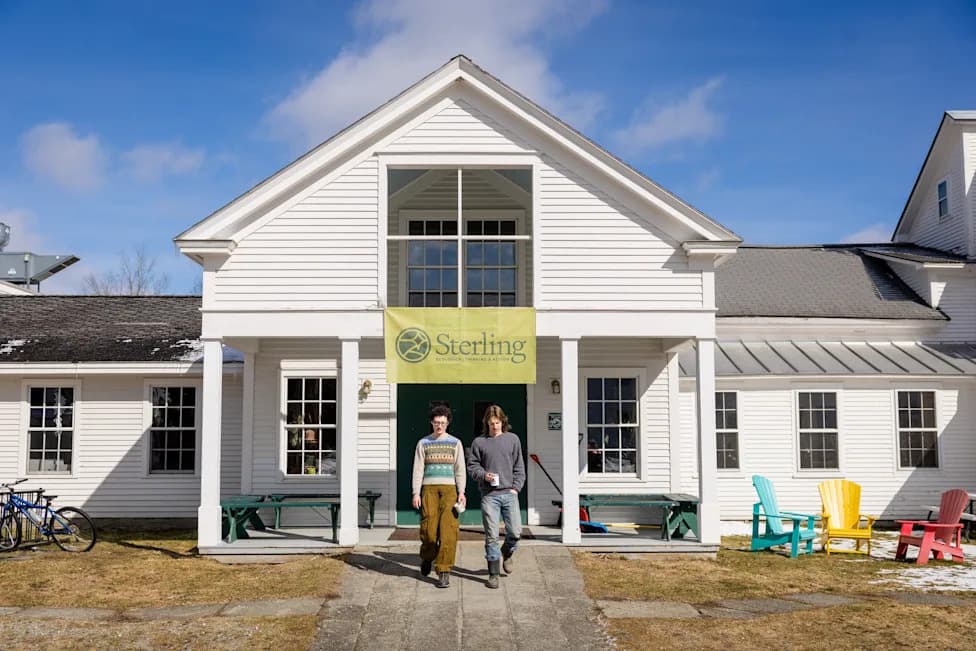
Sterling College, a tiny private school on a 130-acre farm in rural Vermont, closed in May after giving students a final semester and time to transfer. That runway offered some practical benefits and emotional closure, but it also highlighted the human cost when a college at the heart of a remote town disappears. Marcus used Sterling and other recent closures to illustrate a much broader pattern: hundreds of small private colleges are financially stressed and many are at risk of shutting their doors.
Why These Colleges Are Failing
- Demographics: The sustained decline in birth rates since the Great Recession means fewer 18‑year‑olds are available to enroll, shrinking the pool of traditional college applicants.
- Return On Investment Concerns: Prospective students and families increasingly weigh tuition against likely earnings, underemployment rates and student debt burdens.
- Institutional Debt And Operating Deficits: Many private nonprofits carry heavy long-term debt and have run multi-year deficits, eroding financial resilience.
- Pandemic Relief Was Temporary: Federal aid during the pandemic masked underlying weaknesses; when that money ran out, closures accelerated.
- Regulatory And Market Pressures: New state rules requiring colleges to contribute to student protection funds can add short-term costs that hasten failure.
Scale And Student Consequences
Marcus cited a Huron Group projection that 442 private nonprofit colleges are currently at risk, enrolling roughly 667,000 students, and that about 120 of those face very severe risk of closing. Historically, fewer than half of students at closing colleges successfully transfer to another institution; among those who do, many still fail to graduate because credits don’t transfer, costs rise or other barriers intervene. More than 42 million Americans have started college without completing a degree — a long-term social and economic problem compounded when institutions close.
Impact On Rural Towns, Cities And Taxpayers
Rural communities often suffer the biggest loss when a local college shuts: beyond lost tax revenue and local spending, colleges act as a pipeline for young residents who might stay, start businesses or join the workforce. An urban campus is easier to repurpose because of stronger real-estate demand; rural campuses frequently sit vacant or sell at a loss. Marcus pointed to examples — like Iowa Wesleyan’s heavy reliance on government loans — that show taxpayers can end up covering shortfalls when institutions fail.
Warning Signs To Watch
- High Institutional Debt And Repeated Operating Deficits
- Rapid Enrollment Declines Or Sudden Changes In Admissions Strategies
- Frequent Senior Leadership Turnover Or Emergency Fundraising
- State Notices Or Required Financial Disclosures Indicating Distress
What Families Should Ask
Marcus recommends that prospective students and families ask candid, specific questions beyond "Can my child get in?" — for example:
- "Will this college still be here in four years?"
- "What are the school’s operating reserves and total institutional debt?"
- "Do credits reliably transfer to other institutions?"
Practically, the current market often favors students: acceptance rates at many private colleges are higher than people expect, and institutions are frequently willing to negotiate for more financial aid.
Bottom Line
The closure wave is both a symptom and a driver of deeper changes in American higher education: shifting demographics, closer scrutiny of value for money, and fragile college finances. The human stakes are high — students left with debt and no credential, shrinking rural economies and potential taxpayer exposure — so transparency and early warning signs matter to families and policymakers alike.
This piece is adapted from a USA TODAY Excerpt podcast interview with Jon Marcus of The Hechinger Report.
Help us improve.