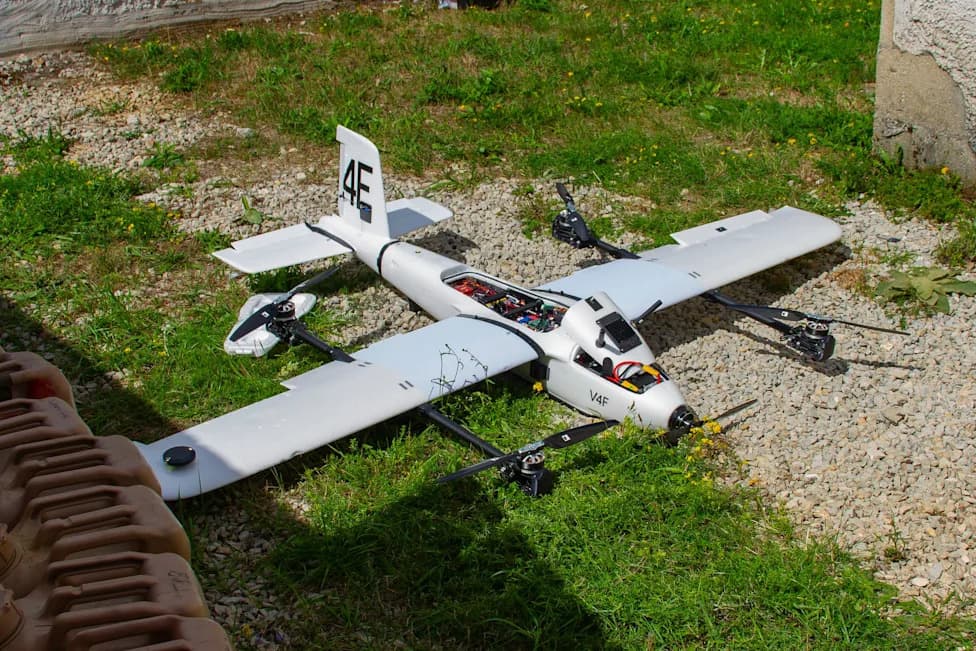
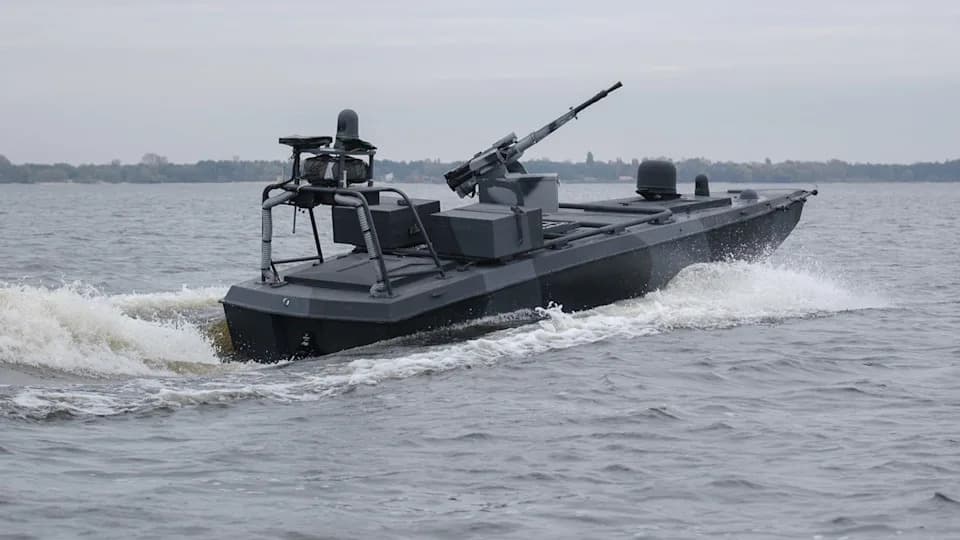
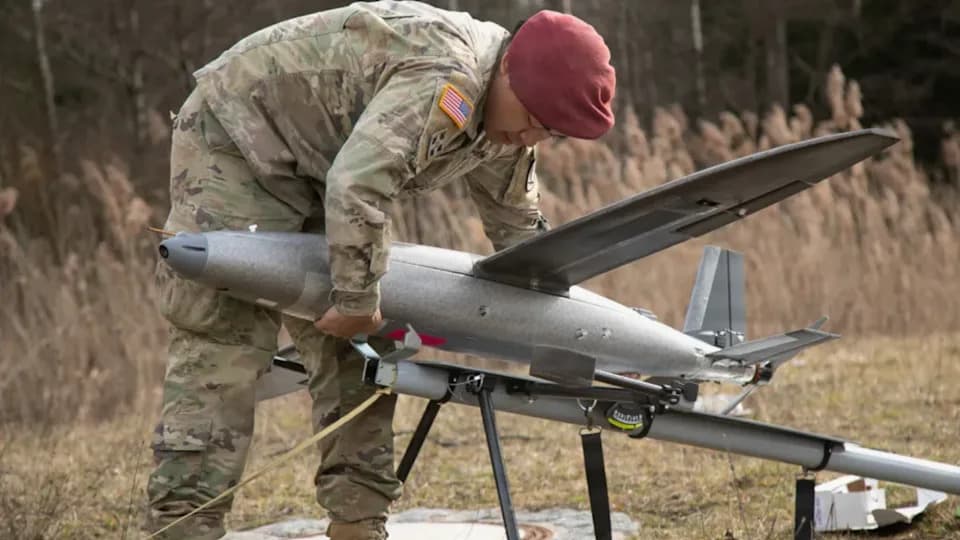
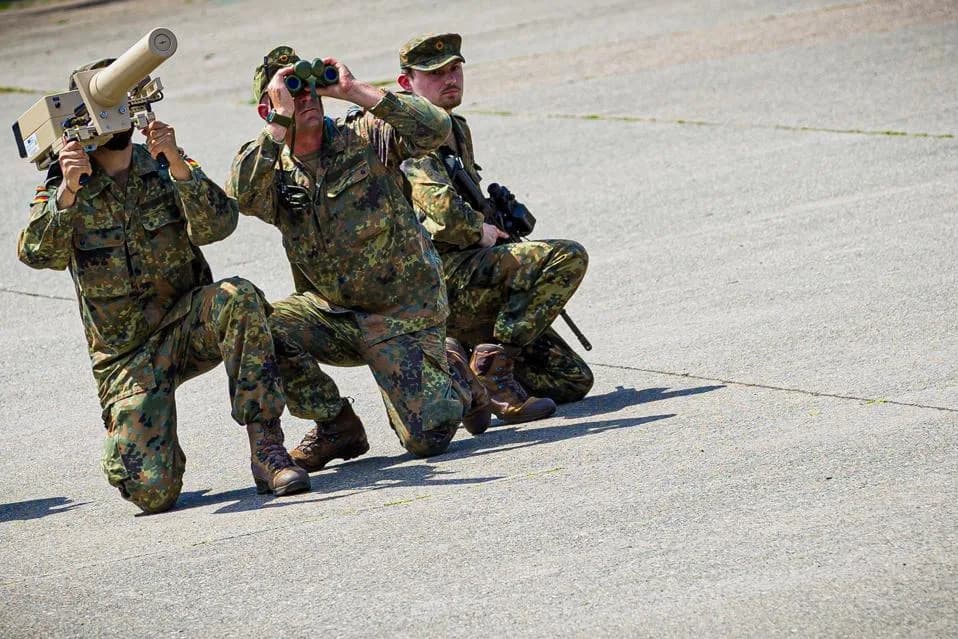
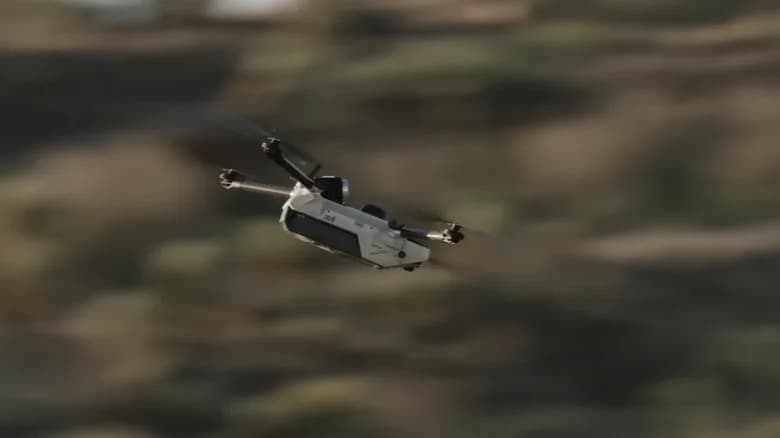
Ukrainian drone teams from the 412th Regiment "Nemesis" outperformed a U.S. armored brigade during the Combined Resolve exercise in Germany, using reconnaissance and FPV attack drones to register rapid simulated kills. The exercise forced U.S. forces to adapt with better dispersion, concealment and electronic warfare and led to some Ukrainian operators training U.S. troops in offensive drone use. The episode has accelerated shifts in Pentagon procurement priorities — including a $53.6 billion fiscal 2027 request for autonomous and counter-drone capabilities — and is prompting NATO allies to rethink force integration.
Ukrainian Drone Teams Outpaced a U.S. Armored Brigade — Why That Matters for Future Warfare
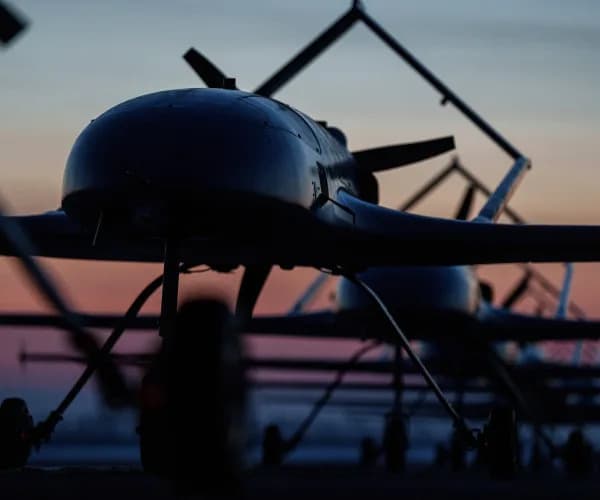
Ukrainian drones (AP)
Ukrainian drone crews from the battle-hardened 412th Regiment of Unmanned Systems Forces, called Nemesis, demonstrated clear advantages over U.S. Army forces during the large-scale Combined Resolve exercise in Germany this spring, underscoring how lessons from the war in Ukraine are reshaping modern combat.
How the Exercise Unfolded
During the April–May drills, elements of Nemesis, operating alongside American troops and observers, rapidly detected and engaged a U.S. armored brigade — roughly 3,500 personnel, primarily from the 3rd Armored Brigade Combat Team, 1st Cavalry Division — using layered drone tactics. Reconnaissance unmanned aircraft located armored vehicles by spotting dust plumes from movement. Cheap, agile FPV (first-person-view) attack drones and explosive-delivery systems then closed in to register simulated kills so quickly that exercise controllers had to "re-spawn" disabled vehicles to keep the scenario running.
Adaptation and Training
American units adapted over the two-week engagement, improving dispersion, concealment and the use of electronic warfare to blunt the drone threat. Later in the exercise, some Ukrainian operators switched roles to help U.S. forces practice offensive drone employment, and American teams performed more effectively with that experience.
Eliot Cohen, a scholar at the Center for Strategic and International Studies, told reporters: "It is vital that the U.S. military master that, and thus far, unfortunately, that does not seem to be the case."
Wider Implications
After more than four years of conflict with Russia, Ukraine has emerged as a practical laboratory for drone warfare. Low-cost FPV attack drones, purpose-built reconnaissance UAVs, layered electronic warfare, and rapidly modified commercial technology have made the low-altitude airspace above battlefields especially hazardous. As a result, tanks, artillery, logistics vehicles and even individual soldiers can be detected and struck at a fraction of the cost of many traditional precision weapons.
This evolution affects not only tactics but also defense economics and procurement priorities. The Pentagon's fiscal 2027 budget request seeks roughly $53.6 billion for autonomous systems, domestic production and advanced drone capabilities, including $16.9 billion for procuring unmanned systems across air, surface, subsurface and ground domains and $14.4 billion for counter-unmanned systems.
The Congressional Budget Office has noted the dramatic proliferation of small drones since 2022 and warned that no single technology offers a complete defense. The CBO estimates that equipping a typical U.S. military installation with layered counter-drone defenses could cost roughly $74 million up front plus at least $5 million annually to operate and sustain.
Global Developments
Major powers are scaling these concepts. China has developed the Jiutian, a large unmanned "mothership" designed to deploy swarms of smaller drones, indicating how long-range unmanned platforms may be paired with masses of inexpensive, expendable aircraft to extend drone warfare beyond the short ranges typical of today's FPV systems.
The United States is responding: the Pentagon is testing Ukrainian drone designs for potential procurement, and more U.S. personnel are being sent to study drone operations in Ukraine. NATO allies are reassessing how to integrate drones, electronic warfare, sensors and conventional forces to operate together more effectively.
What This Means
Ukraine's experience highlights a different model of airpower: thousands of inexpensive, rapidly evolving systems used in concert with sensors, EW and conventional arms. That model is prompting military planners and lawmakers to favor quantities of cheaper, replaceable platforms over a focus on a few extremely expensive aircraft.
Reporting summarized from The Wall Street Journal and public Pentagon and Congressional Budget Office documents.
Help us improve.