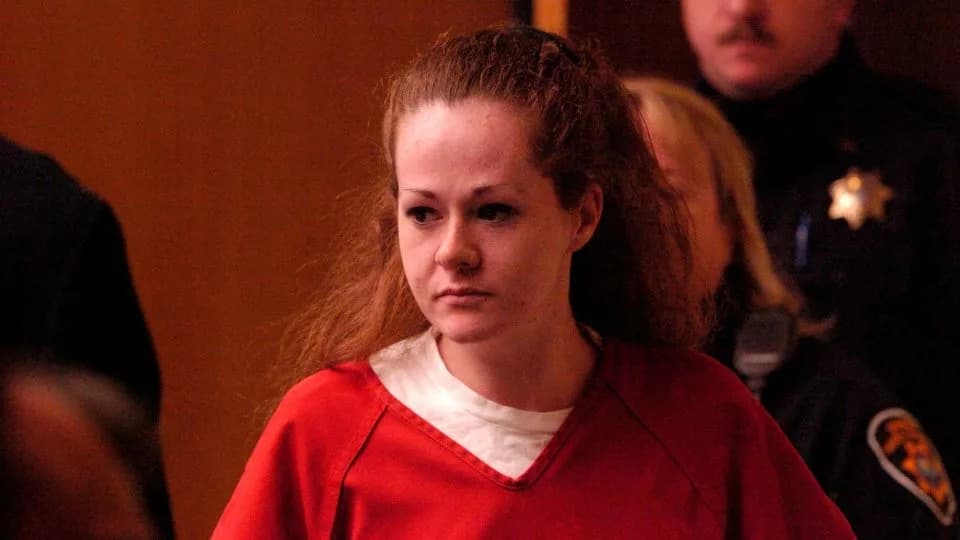
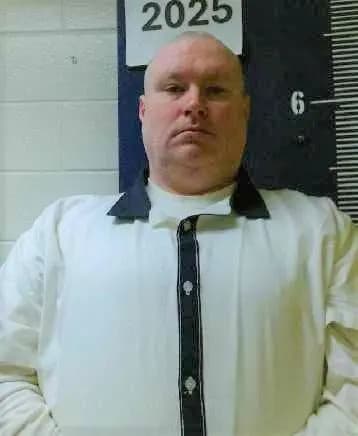
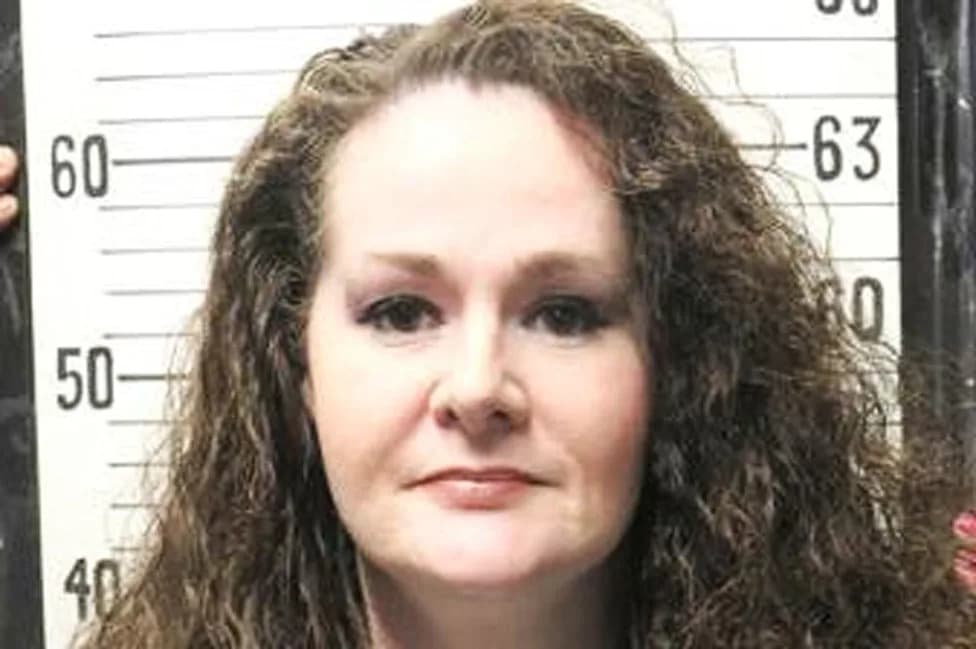
Public support for the death penalty remains high in the U.S., driven in part by shocking cases of violent offenders such as Pete Van Winkle and Tracy Hampton. At the same time, dozens of exonerations — at least 202 since 1973, according to the Death Penalty Information Center — expose the system's fallibility. Polling shows many Americans accept the risk of occasional mistakes in exchange for perceived public safety, creating a central tension between security and the moral imperative to avoid executing the innocent.
Why Many Americans Still Back The Death Penalty — Even After High-Profile Wrongful Convictions
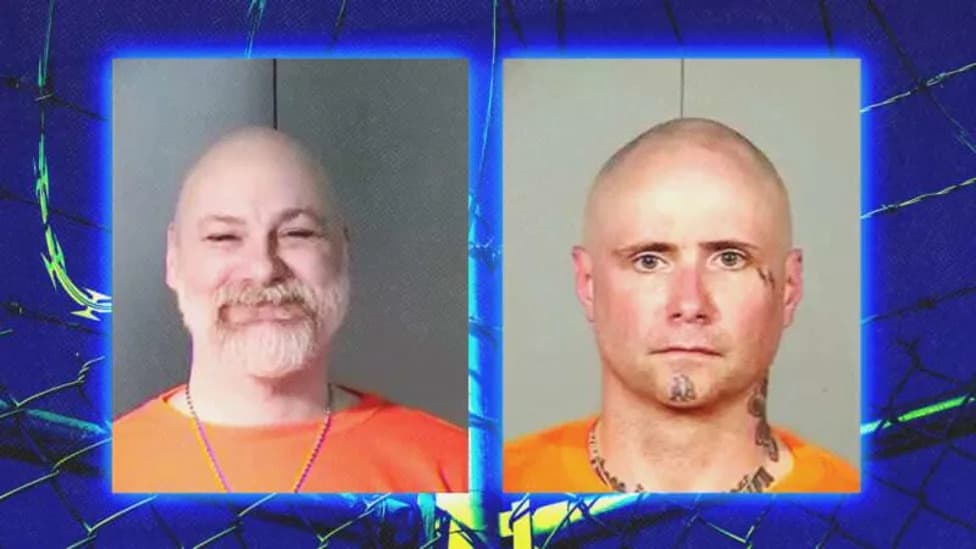
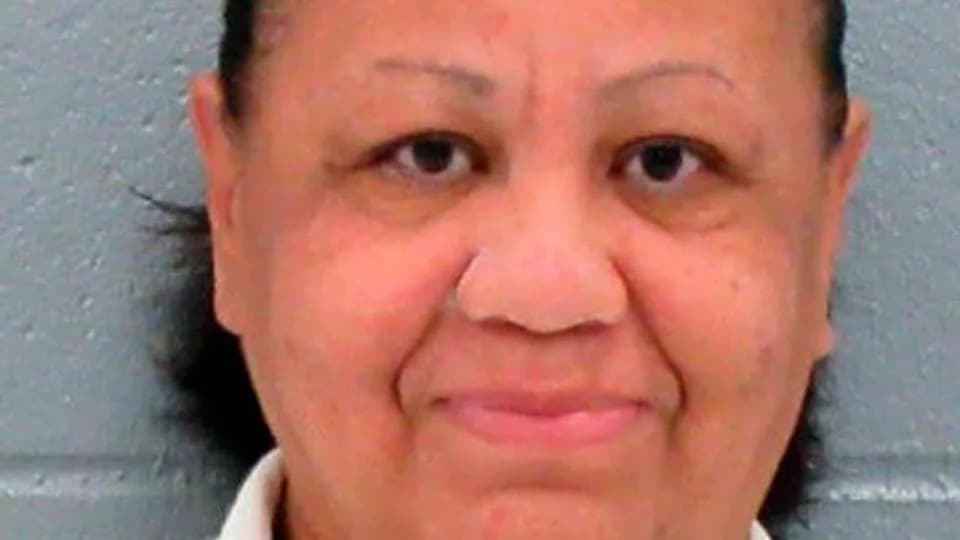
Illustation: Pinal County Sherif's Office/Phartisan/Dreamstime
Public support for capital punishment in the United States remains strong despite repeated revelations of wrongful convictions. High-profile episodes — including recent murder charges against death-row inmates Pete Van Winkle and Tracy Hampton in Pinal County, Arizona — help explain why many people continue to view the death penalty as a necessary tool to remove violent, dangerous offenders from society.
A Stark Example: Violence Behind Bars
According to news reports, Van Winkle originally reached death row after a 2008 attack in the Maricopa County jail in which he beat and strangled another inmate. As reported by Mitchell Koch of WREG, Van Winkle was seen dragging the victim's body and attempting to throw it over a second-floor railing. Hampton had been sentenced to death for the May 17, 2001, murders of Charles Findley and Tanya Ramsdell (and Ramsdell's unborn child). The inmate they are accused of killing most recently, Kenneth Thompson, was serving time for the 2012 hatchet murders of his sister-in-law and her boyfriend. To many, cases like these are persuasive examples of offenders some believe should be permanently removed from circulation.
Wrongful Convictions: Powerful Counterexamples
Yet the criminal justice system has also produced devastating miscarriages of justice. Carmen Mejia was exonerated in May after serving 22 years for the death of a 10-month-old; the Texas Court of Criminal Appeals found she was actually innocent. Jesse Lee Johnson was released after 25 years when prosecutors dropped the case in light of new evidence, and Lamar Johnson in Missouri was freed after nearly 30 years when a judge found convincing evidence of innocence. Organizations such as the Innocence Project have driven many of these reversals, and the Death Penalty Information Center reports that since 1973 at least 202 people wrongly convicted and sentenced to death in the U.S. have been exonerated. Those who have been executed, of course, cannot be returned.
Polling: Fear, Morality, and Risk
Public opinion helps explain the tension between safety and the risk of error. Gallup polling shows a majority of Americans have favored the death penalty for most of the last century; when Gallup first asked in 1936, 59% supported it, and majorities have persisted aside from a stretch from 1957 to 1972. Pew Research recently reported that 66% now support the death penalty, with 68% saying it is morally justified for murder. At the same time, 59% say capital punishment does not deter crime, and 73% acknowledge there is some risk that an innocent person could be executed.
Why People Choose Security Over Abstraction
These figures suggest many Americans are willing to accept occasional miscarriages of justice rather than tolerate the continued presence of offenders they consider irredeemably dangerous. The familiar legal maxim attributed to William Blackstone — that it is better that ten guilty persons escape than that one innocent suffer — runs up against an instinct for public safety that feels immediate and personal to many citizens.
"When innocence itself is brought to the bar and condemned, especially to die, the subject will exclaim, it is immaterial to me, whether I behave well or ill; for virtue itself is no security," wrote then-attorney John Adams in 1770.
The idea that state failure to protect life and property can push citizens toward self-help was also noted by Justice Laurie Ackermann in the South African Constitutional Court case S v. Makwanyane, which abolished the death penalty there. Ackermann observed that when a government does not fulfill its duty to protect rights, people may feel justified in taking matters into their own hands — a sobering reminder of how security concerns shape attitudes toward punishment.
Policy Implications: Bridging Fear And Fairness
For advocates of criminal justice reform, the lesson is clear: it is not enough to argue abstract moral points about innocence and error. Reformers must acknowledge public fears about violent crime and present practical, concrete measures that protect communities while reducing the risk of wrongful conviction. Such measures include stronger disclosure and evidence-preservation rules, improved indigent defense, wider access to post-conviction DNA testing, independent conviction review units, clearer standards for eyewitness identifications and forensic testimony, and greater transparency in prosecutorial practices.
Ultimately, sustaining public trust requires a justice system that both reduces violent crime and minimizes the risk of condemning the innocent. Until reformers make that dual case convincingly, many Americans will remain inclined to prioritize perceived public safety — including support for the death penalty — despite its tragic costs.
Originally published at Reason.com.
Help us improve.