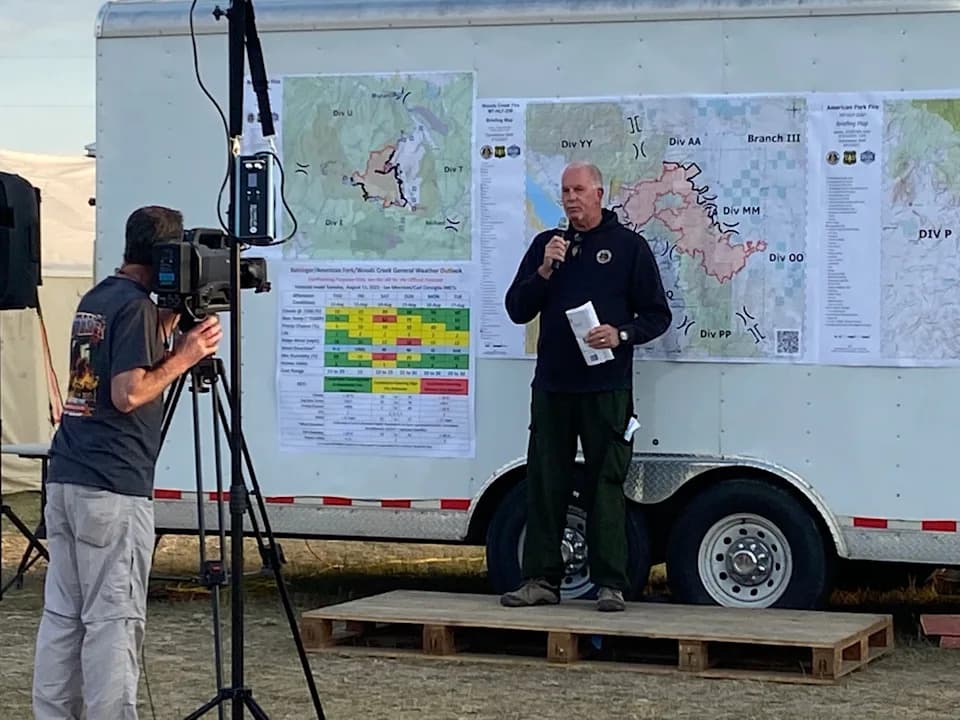
The North of England faces a growing wildfire crisis the author argues is largely the result of two decades of policy choices that increased flammable vegetation. Satellite data show six times more land burned in 2016–2025 than in 2006–2015. Critics say Defra’s reductions in upland grazing and restrictions on winter burning have raised fuel loads, while some government and academic studies support the safety of controlled winter burns on peat. The piece calls on ministers to reinstate preventative winter burns and return local control to reduce the risk before the October 1 season.
How Whitehall Policies Turned England’s Uplands Into a Wildfire Hazard — and What Must Change
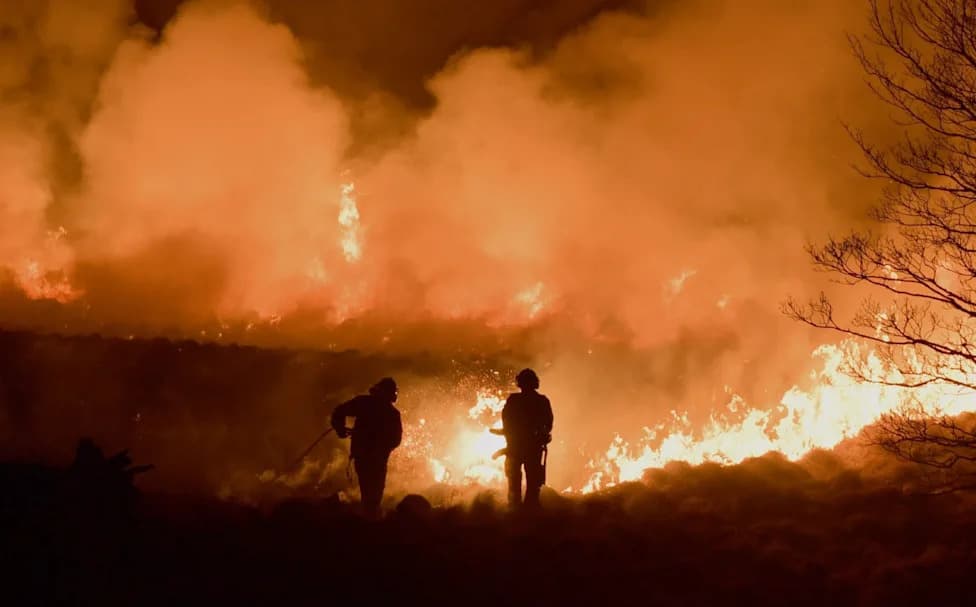
When Downing Street starts asking questions of Defra, jaws will drop - Anthony Devlin/Getty Images
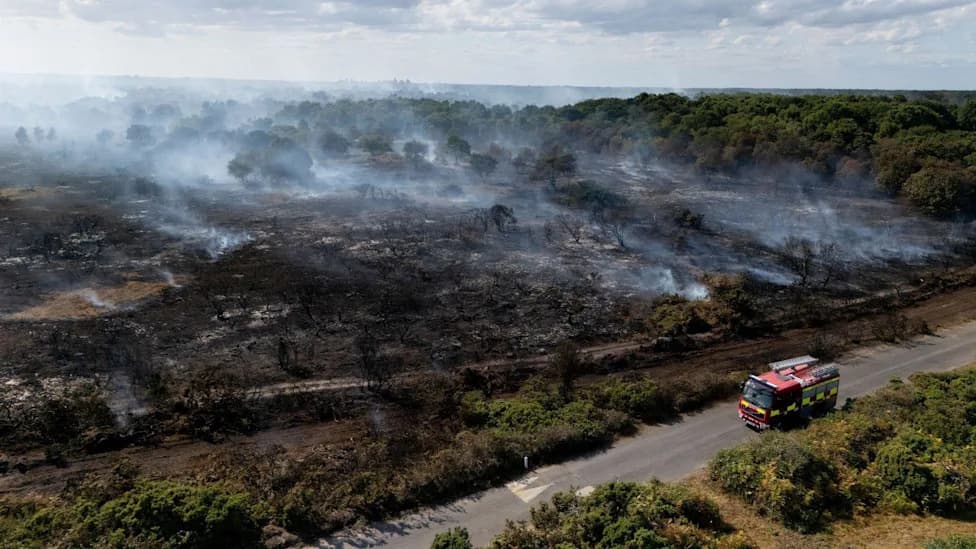
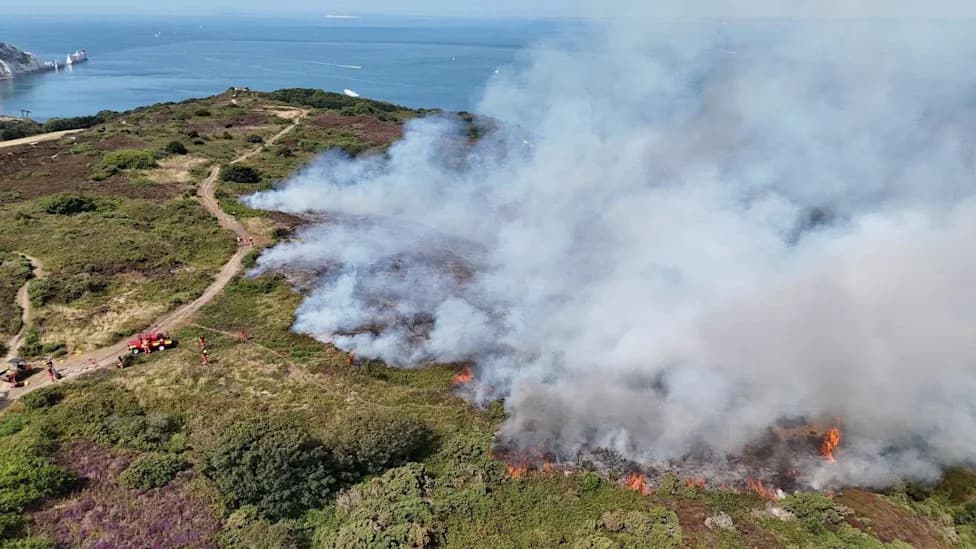
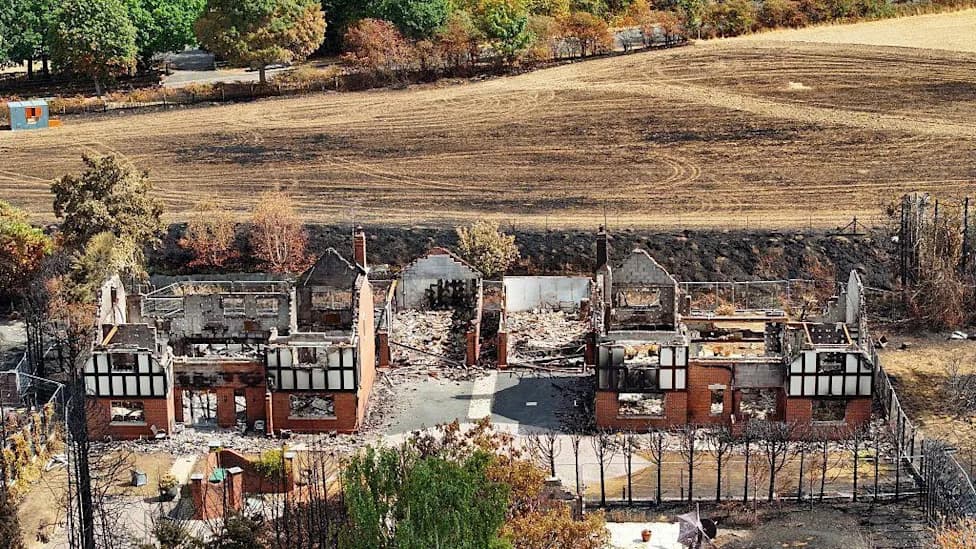
August 12 traditionally marks the start of the grouse‑shooting season, yet this year the conversation in the North of England is dominated by a more urgent fear: when the next moorland wildfire will ignite. Towns are being smothered in smoke and the lives of those who fight the blazes — gamekeepers, firefighters and local volunteers — are at risk.
This crisis is not solely natural. While hotter, drier weather increases fire risk, many of the conditions that make moorland so combustible are the predictable result of two decades of policy choices that have allowed fuel loads to grow.
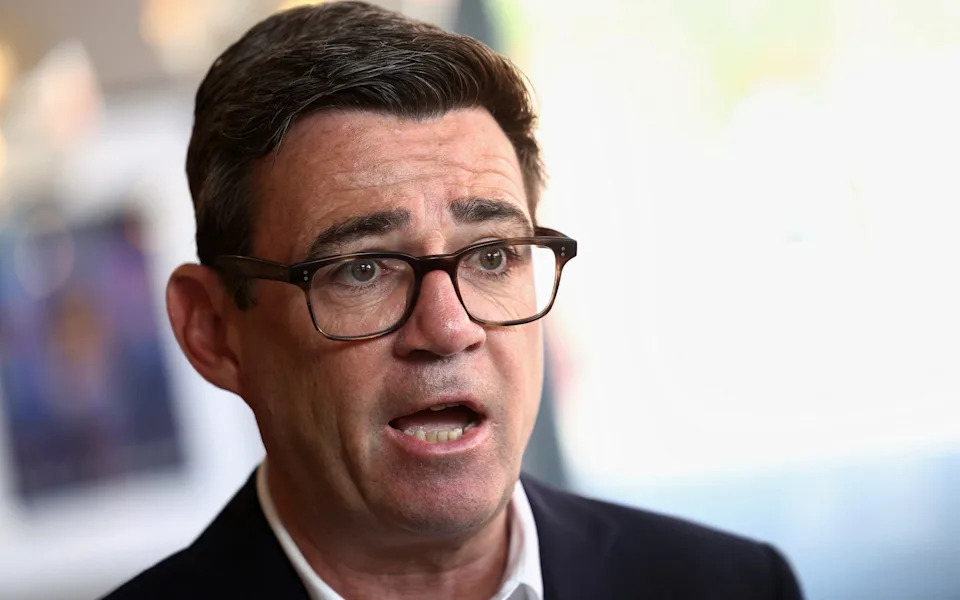
The Prime Minister must not dither - Toby Shepheard
Scale Of The Problem
Satellite analysis indicates that six times more land burned in the UK in 2016–2025 than in 2006–2015: 151,954 hectares versus 24,805 hectares. Such a sharp rise cannot be explained by climate alone — globally, improved land and fire management have reduced many types of wildfire even as local climate risk grows.
Policy Decisions That Increased Fire Risk
Several government decisions have contributed to heavier fuel loads on uplands: reductions in upland cattle and sheep grazing over the last 20 years are associated with an estimated ~25% rise in highly flammable grasses. Equally consequential has been the curtailment of controlled winter burning of heather, which historically removed dead material and encouraged younger, less combustible shoots. Independent estimates suggest there is now roughly 74% more dead heather acting as tinder across affected moors.
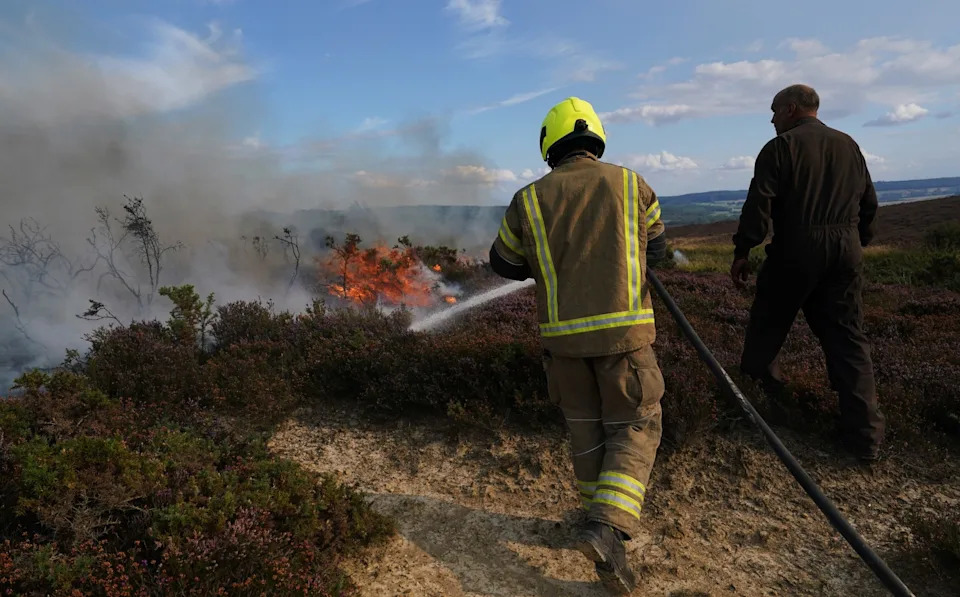
Defra is clueless about the volumes because it has never calculated it - Ian Forsyth
Consequences On The Ground
Where winter burns were restricted, large fires have followed. Major blazes such as Saddleworth and Fylingdales started on land where prescribed burning had been blocked. The Saddleworth fire caused extensive smoke exposure — affecting millions — and some studies estimate up to 28 premature deaths may be attributable to that event.
Questions For Defra And Evidence Concerns
Critics argue that the Department for Environment, Food and Rural Affairs (Defra) did not carry out adequate impact assessments before restricting heather management, despite internal warnings in 2007 that blocking winter burns would raise wildfire risk. Defra is also reported to lack a routine assessment of total upland fuel volumes — a gap the Moorland Association has tried to fill.
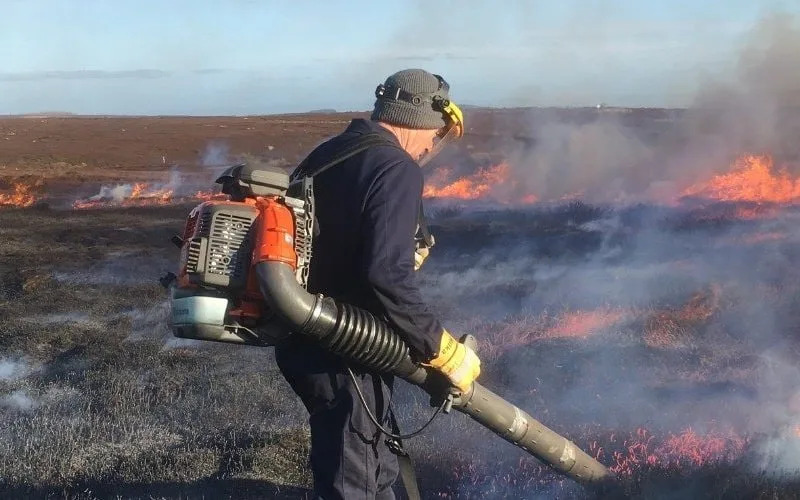
The department argues that winter burns 'damage' the peat - BASC
Defra has defended its approach using a Natural England evidence review, described in official briefings as rigorously peer reviewed. Yet some reviewers raised concerns about how thoroughly the review was read and assessed. At the same time, a government‑funded study at the University of Exeter found winter burns did not damage peat, and York University researchers reported that controlled burns can make peatlands wetter by reducing transpiration from trimmed vegetation.
International Practice And Local Management
Other jurisdictions have reversed suppression policies after deadly outcomes: parts of Australia and California resumed prescribed burns after recognising their role in reducing catastrophic fires. Scotland currently conducts thousands of prescribed burns each year on peatlands and recognises the role of experienced gamekeepers in wildfire control; England’s approach has been effectively very limited.
What Needs To Happen
The article argues that ministers should urgently reassess restrictions on preventative winter burning, restore appropriate land‑management tools to local managers, and ensure that public bodies practising rewilding carry insurance and commit resources to fire suppression when fires occur. With the winter burning season approaching on October 1, the author urges decisive action to reduce fuel loads before more lives and livelihoods are lost.
Bottom line: Better, evidence‑based land management — including carefully controlled burning where appropriate — and clearer accountability from national agencies are critical to reducing wildfire risk in England’s uplands.
Help us improve.