South Korea has launched the 'Seven Major SEED' initiative to develop seven strategic technology areas, from nuclear and fusion to quantum computing, space and biotechnology. The plan sets bold milestones: a moon landing by 2030, a domestic 100‑qubit quantum computer by 2029, and commercial small modular reactors by 2035. Officials say the program aims to diversify growth beyond chips and AI and bolster national competitiveness amid rising global technological competition.
South Korea Launches 'Seven Major SEED' Tech Drive — Moon Landing by 2030, 100‑Qubit Quantum Computer by 2029
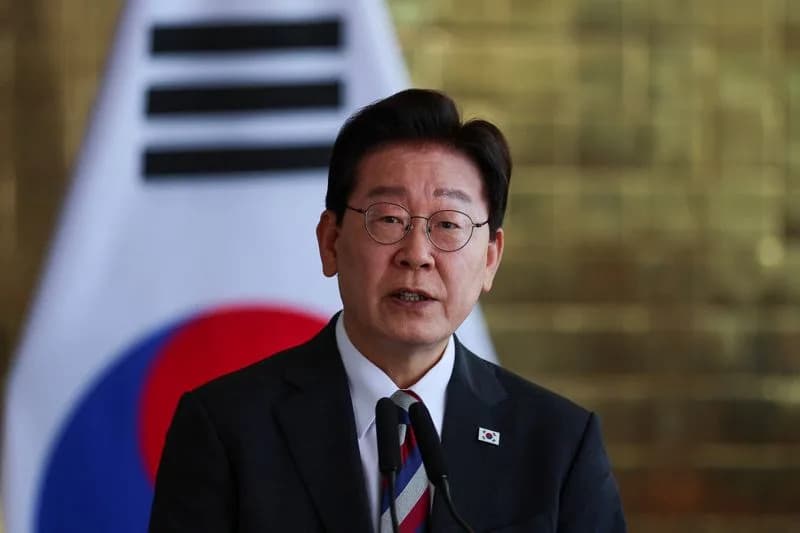
South Korean President Lee Jae Myung attends a joint press statement with Brazilian President Luiz Inacio Lula da Silva (not pictured) at the Alvorada Palace in Brasilia, Brazil, July 27, 2026. REUTERS/Adriano Machado
SEOUL, Aug 12 — South Korea on Wednesday unveiled an ambitious national technology strategy called the 'Seven Major SEED', setting concrete targets across seven high‑priority areas as it seeks new engines of growth beyond semiconductors and artificial intelligence.
Key Targets
- Moon landing by 2030.
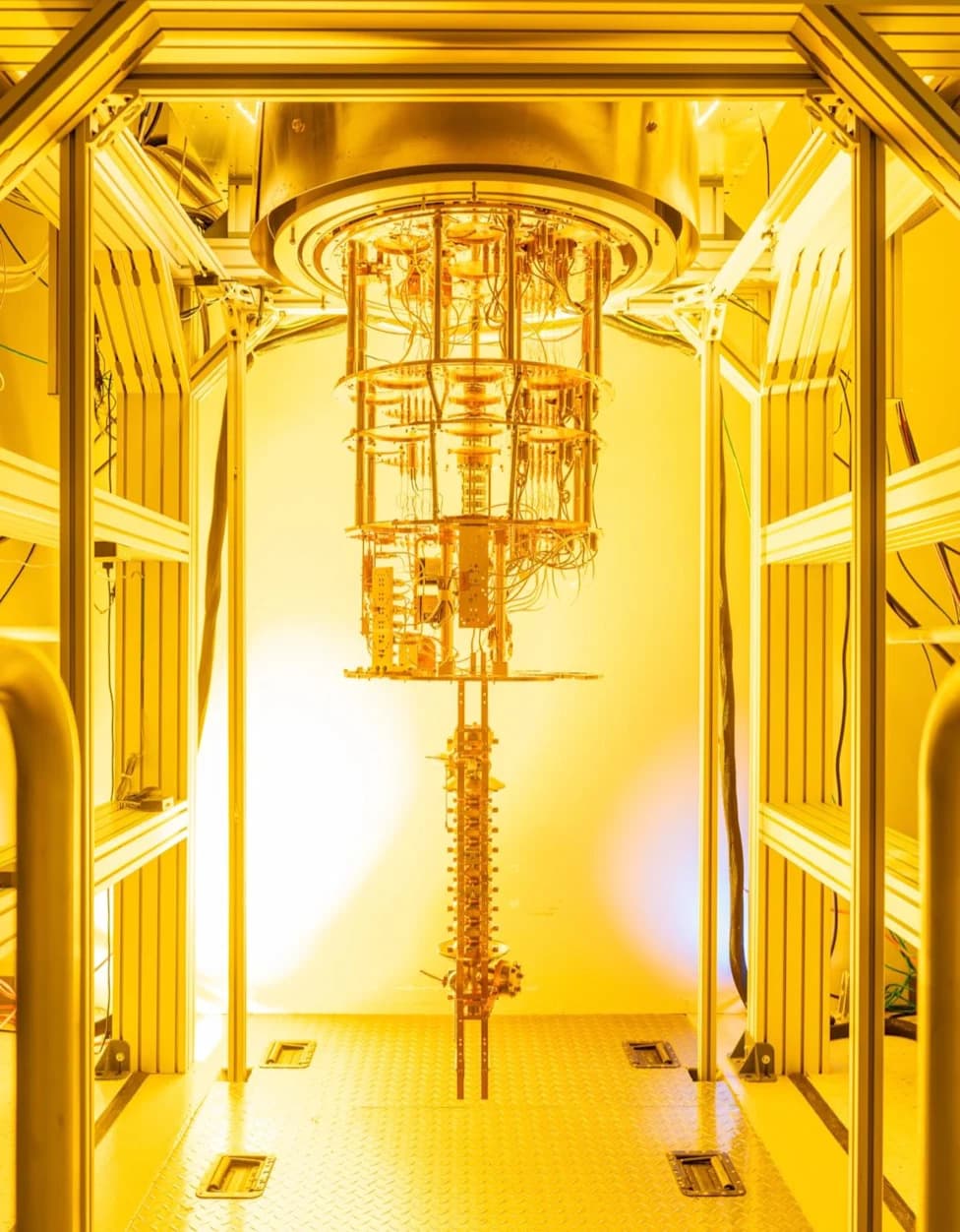
- A domestically developed 100‑qubit quantum computer by 2029.
- Commercial deployment of indigenous small modular reactors (SMRs) by 2035.
- Commercialisation of brain‑computer interface (BCI) products by 2035.
What the Seven Projects Cover
- Small Modular Reactors (SMRs) and nuclear technologies.
- Fusion energy research.
- Next‑generation renewable power technologies.
- Quantum technologies and high‑performance computing.
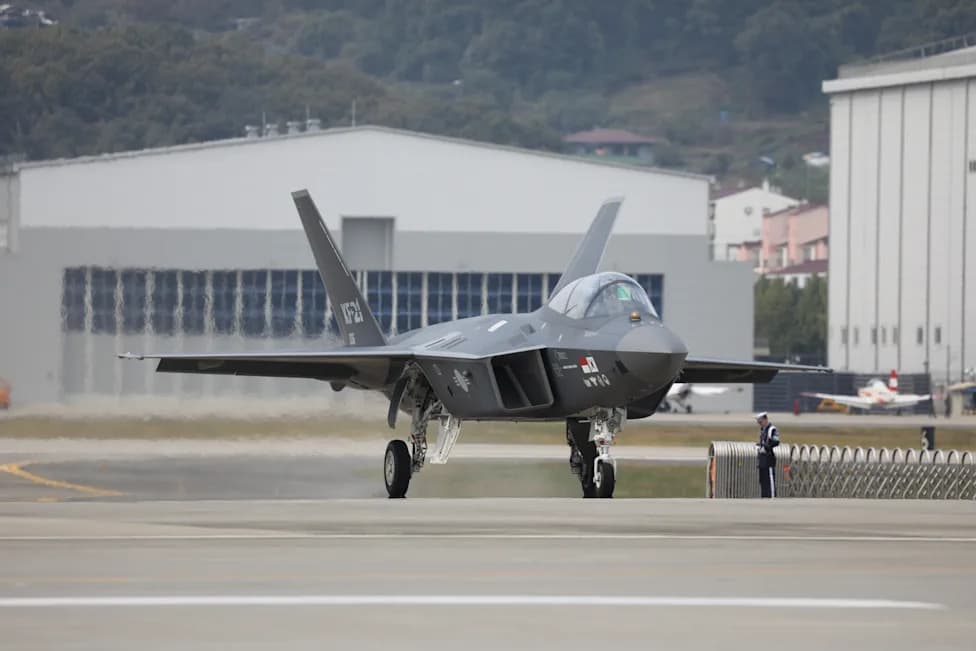
- Space and aviation, including lunar missions.
- Advanced biotechnology and life sciences.
- Secure supply chains for critical minerals and advanced materials.
Why It Matters
Officials framed the package as preparation for long‑term slower economic growth and intensifying global competition in emerging technologies that increasingly influence both economic strength and national security. The government aims to diversify South Korea’s industrial base and build capabilities that could position the country as a global leader in multiple strategic fields over the next one to two decades.
Science Minister Bae Kyung‑hoon: 'We will help these seeds grow and build a South Korea that no one can rival in 10 or 20 years.'
Implementation will require sustained investment, coordination with industry and academia, and international collaboration on supply chains and technology standards. The timeline is ambitious: some targets fall within this decade, while others extend into the mid‑2030s, reflecting a mix of near‑term and longer‑term priorities.
Help us improve.