Excavations have begun at recently discovered mass graves near Kalluder e Vogel in northern Kosovo, raising hope among families of those who disappeared during the 1998–99 war. Relatives such as Erblin Ademi are awaiting possible identification of loved ones, including his father, a surgeon who vanished in April 1999. Rights groups say roughly 1,600 people remain missing; Kosovo police have arrested two suspects on suspicion of war crimes tied to the graves. Political tensions and disputed cooperation between Belgrade and Pristina complicate the investigations.
Kosovo Begins Excavations at Newly Discovered Mass Graves Near Kalluder e Vogel as Families Search for Missing
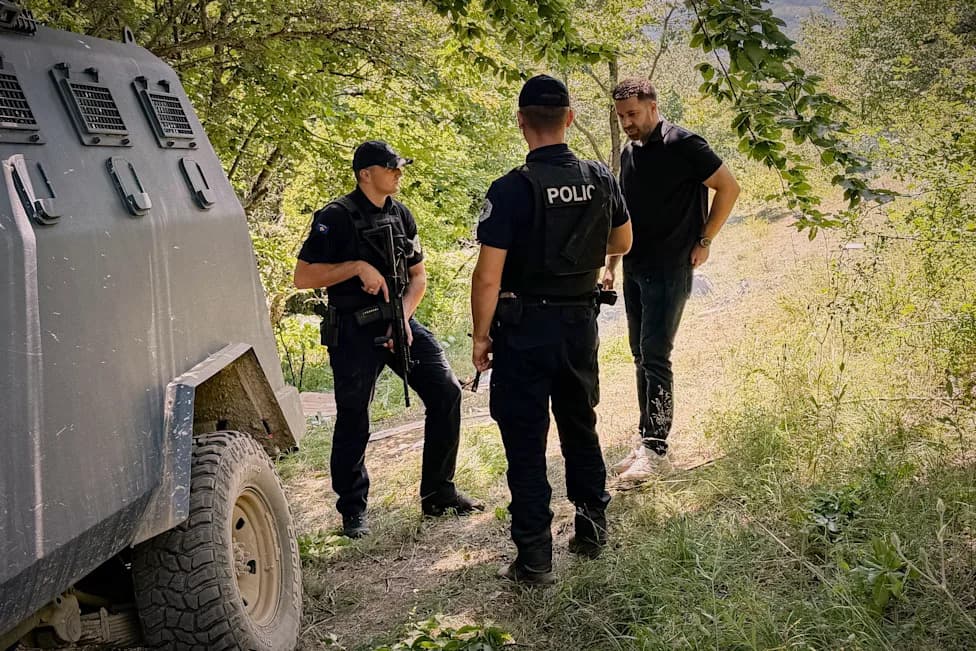
Erblin Ademi, right, whose father, Adem Ademi, a prominent surgeon, disappeared along with 22 other intellectuals during the Kosovo war in April 1999, speaks to police officers near the excavation site of a mass grave in Small Kalluder, Kosovo, Wednesday, Aug. 5, 2026. (AP Photo/Zana Cimili)(AP Photo/Zana Cimili)
KALLUDER E VOGEL, Kosovo (AP) — Excavations have begun at newly discovered mass graves near the village of Kalluder e Vogel in northern Kosovo, raising cautious hope among families who have waited decades for answers about loved ones who disappeared during the 1998–99 war.
Teams started digging in late July after human remains were found close to where several people were last seen during the final months of the conflict. Relatives and investigators say the recovered remains could belong to some of the intellectuals and civilians who vanished in April 1999 as they tried to flee fighting.
Erblin Ademi, left, whose father, Adem Ademi, a prominent surgeon, disappeared along with 22 other intellectuals during the Kosovo war in April 1999, speaks to a police officer near the excavation site of a mass grave in Small Kalluder, Kosovo, Wednesday, Aug. 5, 2026. (AP Photo/Zana Cimili)(AP Photo/Zana Cimili)
Family Pleas and Personal Stories
Erblin Ademi stood at a distance as workers excavated the site, clutching a photograph of his father, surgeon Adem Ademi, who disappeared when Erblin was 9 years old. Adem was among a group of 23 intellectuals who vanished in April 1999. "Always, when we hear about the beginning of the excavations, there is a mixed feeling, a feeling of hope and a feeling of pain," Erblin said. "No matter how many years pass, the feeling of pain will always exist … but at the same time there has always been hope, a feeling that finally the truth will be revealed."
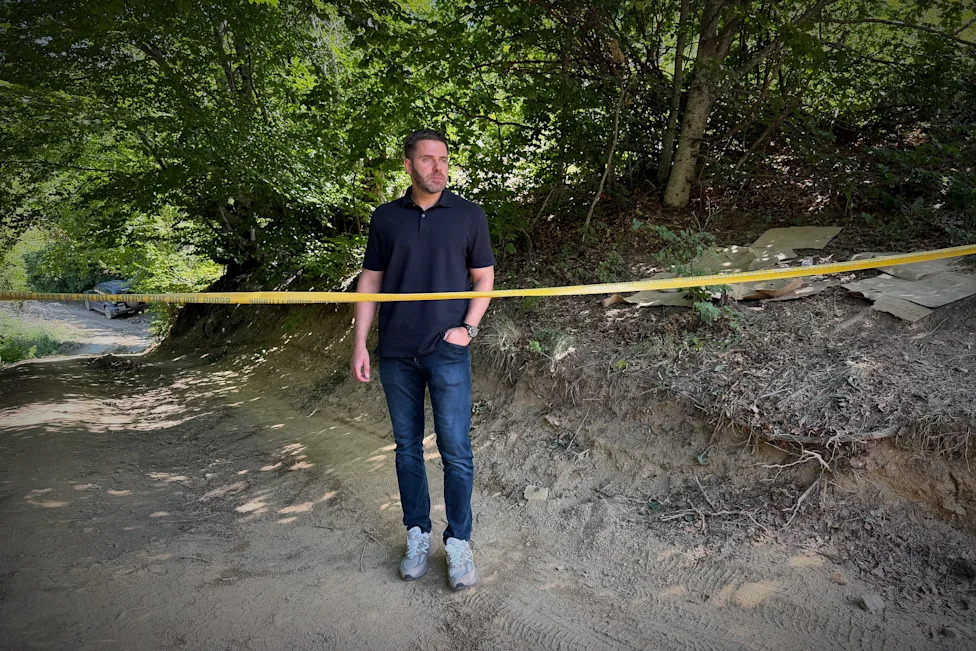
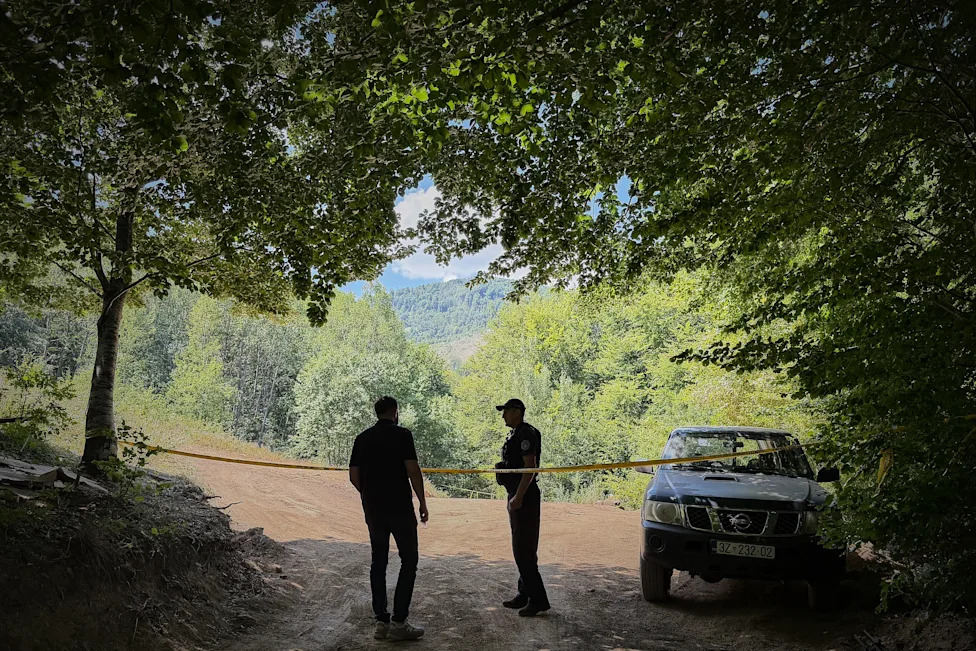
Erblin Ademi, whose father, Adem Ademi, a prominent surgeon, disappeared along with 22 other intellectuals during the Kosovo war in April 1999, stands behind yellow tape near the excavation site of a mass grave in Small Kalluder, Kosovo, Wednesday, Aug. 5, 2026. (AP Photo/Zana Cimili)(AP Photo/Zana Cimili)
Scope of the Missing and Investigations
Rights monitors estimate roughly 1,600 people remain missing from the Kosovo conflict. The Humanitarian Law Center reports that the missing include about 1,200 ethnic Albanians, roughly 400 ethnic Serbs and dozens of Roma. Kosovo Prime Minister Albin Kurti has said authorities believe some of the newly found victims could be among intellectuals detained while trying to leave Kosovo to avoid capture.
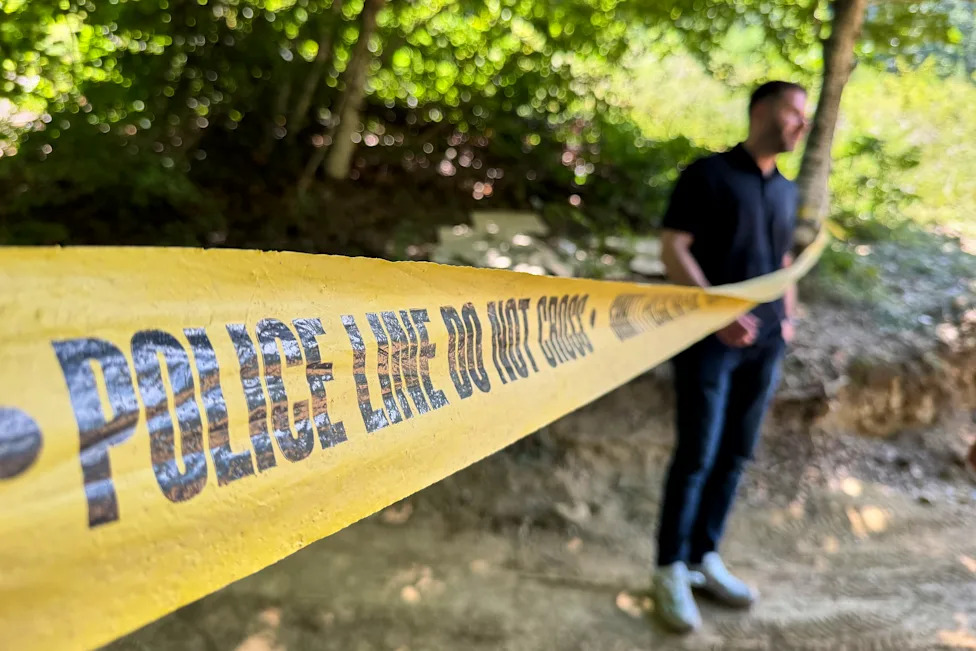
Erblin Ademi, right, whose father, Adem Ademi, a prominent surgeon, disappeared along with 22 other intellectuals during the Kosovo war in April 1999, stands behind yellow police tape near the excavation site of a mass grave in Small Kalluder, Kosovo, Wednesday, Aug. 5, 2026. (AP Photo/Zana Cimili)(AP Photo/Zana Cimili)
Kosovo police said they arrested two ethnic Serbs last month on suspicion of war crimes related to the mass graves; both suspects remain in custody as investigations continue. Several senior Serbian political and military figures have previously been tried and convicted of war crimes in Kosovo by a U.N. tribunal in The Hague.
"Every human being has the right to have a grave where they can be visited, where they can be honored, where they can be remembered," Erblin said. "We are very hopeful that this will be the end, no matter how long the whole process will take, we will wait until we can honor them as they deserve."
Politics and International Pressure
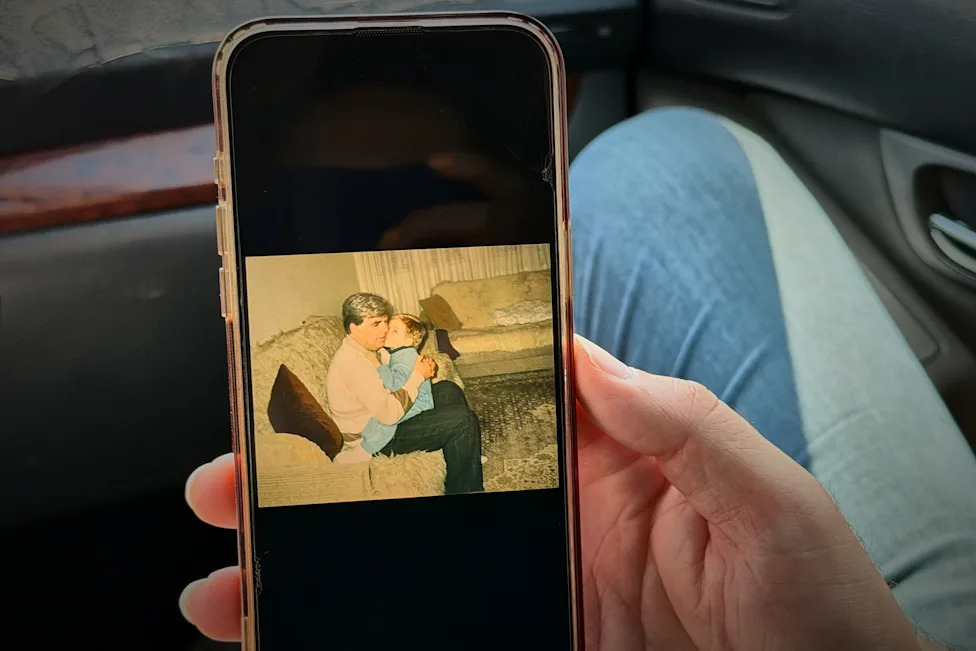
Erblin Ademi, right, whose father, Adem Ademi, a prominent surgeon, disappeared along with 22 other intellectuals during the Kosovo war in April 1999, shows a photo of him and his father, near the excavation site of a mass grave in Small Kalluder, Kosovo, Wednesday, Aug. 5, 2026. (AP Photo/Zana Cimili)(AP Photo/Zana Cimili)
Tensions between Belgrade and Pristina persist. In May 2023, the two sides reached an agreement that included commitments to clarify the fate of missing persons, but both sides have accused the other of delaying cooperation. "It is obvious that authorities are not willing to cooperate," said Bekim Blakaj of the Humanitarian Law Center. The European Union continues to press both Kosovo and Serbia to normalize relations as part of their respective paths toward EU membership.
What Comes Next
For families like the Ademis, excavation and forensic work will likely take time. Authorities must carefully recover remains, carry out forensic identification and notify families. The discoveries near Kalluder e Vogel offer a possibility of closure for some of Kosovo's long‑standing missing‑persons cases, even as political obstacles complicate cross‑border cooperation and the broader process of truth and reconciliation.
Note: This story was updated to correct the village name to Kalluder e Vogel (not Upper and Lower Kalluder).
Help us improve.