The Hague has convicted former Kosovo president Hashim Thaci and several ex-KLA leaders for crimes tied to the 1998–1999 conflict, challenging the post-1999 image of the KLA as unambiguous heroes. The rulings, which reference nearly 100 murders, highlight how wartime loyalties and political narratives can obscure accountability. The verdict and the contrasting protests in Kosovo and Serbia underscore the danger of idolising fighters and the importance of individual responsibility under international law.
When Allies Look Like Enemies: The Thaci Verdict And The Perils Of Idolising Fighters
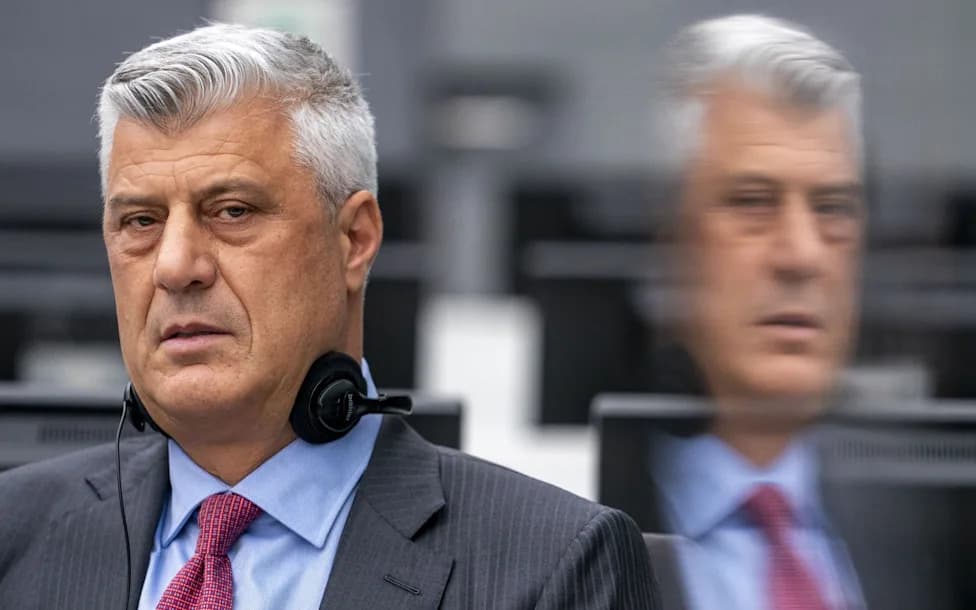
Hashim Thaci has been found guilty of war crimes in The Hague and sentenced to 25 years - AFP
The Hague's special chamber has delivered a stark reminder that wartime allies can sometimes mirror the crimes of their enemies. The guilty verdicts against former Kosovo president Hashim Thaci and several ex-leaders of the Kosovo Liberation Army (KLA) over abuses in the 1998–1999 conflict complicate a once-simple heroes-versus-villains narrative that many Western observers embraced in 1999.
From Convenient Heroes To Legal Accountability
In the immediate aftermath of NATO's campaign against Serbia, KLA fighters were widely cast as local heroes in a story that depicted Serb forces as the principal villains. That narrative helped secure political cover and public sympathy in the West. Yet the Hague rulings find that some leading ethnic Albanian fighters committed brutal crimes, including close to 100 murders during and after the conflict.
A Historical Parallel
The moral ambivalence of supporting unpalatable allies is not new. The article recalls how wartime exigencies led democracies to overlook the crimes of some partners in the past. A famous wartime quip attributed to Winston Churchill captures this pragmatic tension: if the enemy invaded hell, one might still seek ways to oppose a greater danger. But political expediency and propaganda can also turn ruthless actors into celebrated figures.
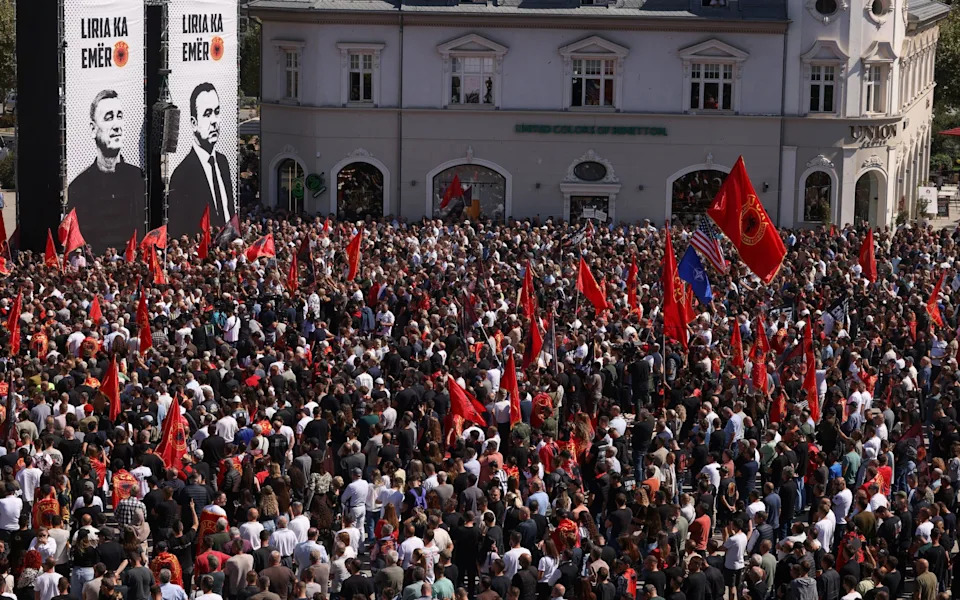
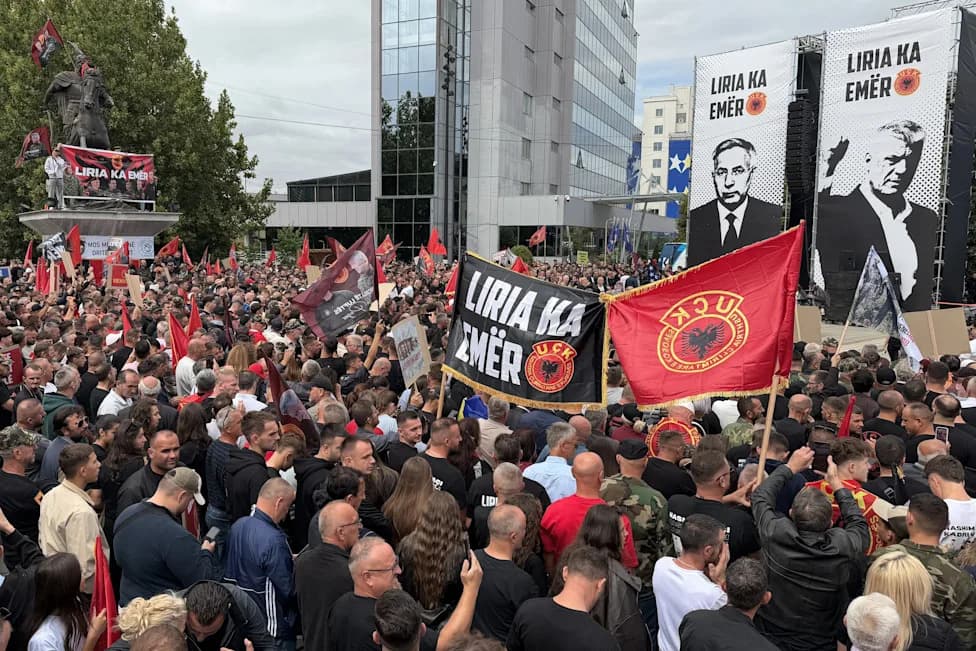
Hundreds of war veterans gather in Pristina, Kosovo to protest the sentencing of KLA leaders, including former president Hashim Thaci, for war crimes - REUTERS
Politics, Memory And The Court's Work
Hashim Thaci rose from KLA leader to prime minister and president, shepherding Kosovo toward independence while facing persistent allegations dating back to 1999. Public reactions to his sentence underscore how collective memories of conflict shape political loyalties. On election day after liberation, an example of this divide was stark: the pacifist leader Ibrahim Rugova drew cheers, while Thaci was met by a palpable, respectful hush that many interpreted as omerta, the silence of fearful respect.
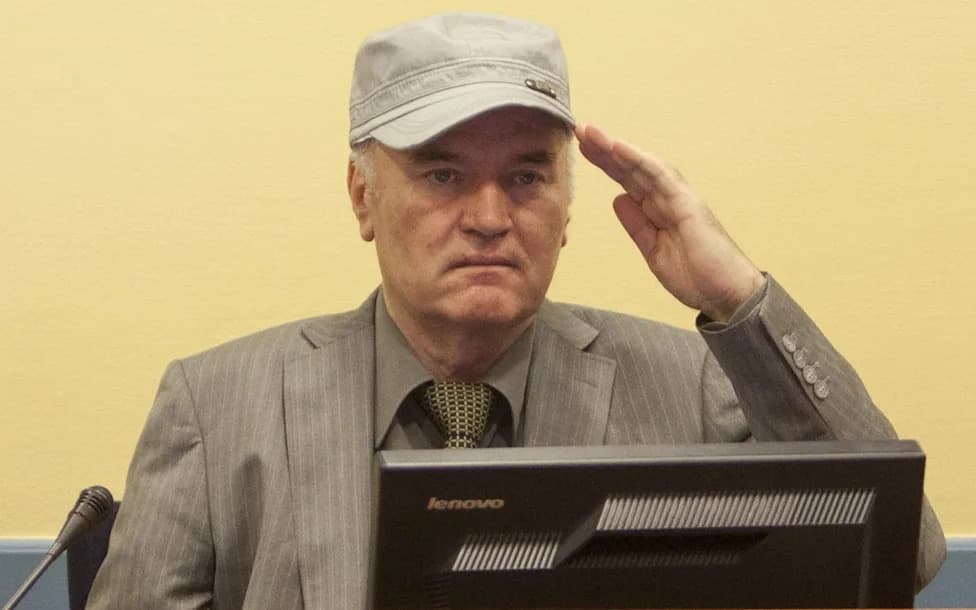
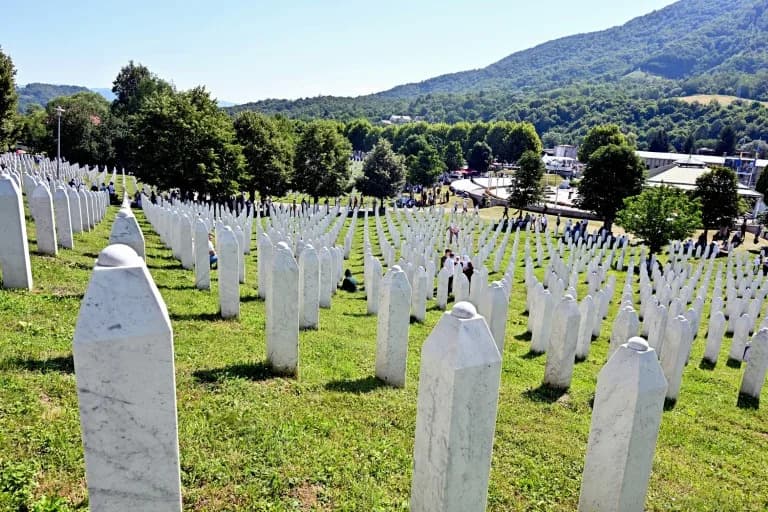
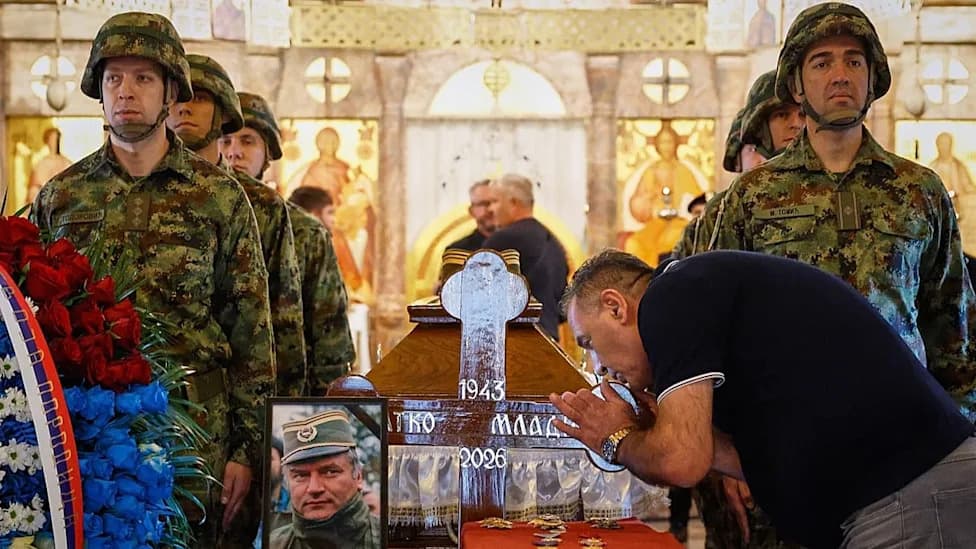
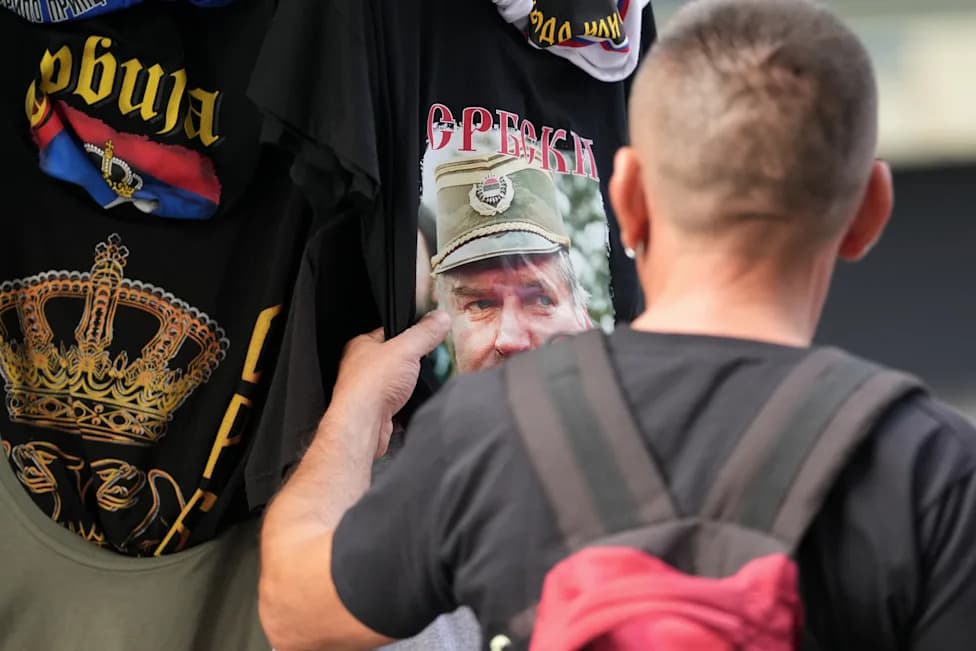
The verdict has provoked contrasting demonstrations across Kosovo and Serbia. In Kosovo many supporters view the leadership as liberators and are outraged by the court findings. In Serbia, commemorations of wartime figures like Ratko Mladic show a parallel pattern: actors accused or found guilty of atrocities can still be revered by parts of their own communities. These reactions underline how deeply entrenched wartime loyalties remain, and how fragile public narratives about justice and heroism can be.
Why It Matters
Court justice does not count bodies to justify prosecutions. Even a single murder committed with intent to destroy or eliminate civilians can meet the threshold for the gravest international crimes. The Thaci ruling therefore reinforces a core rule of international law: individuals, however prominent or politically useful, can be held personally accountable for murder, torture and illegal detention.
For those removed from the horrors of war, the lesson is clear. Romanticising armed actors without rigorous scrutiny risks disillusion and may ultimately strengthen the real perpetrators of violence. Recognition of legitimate causes must be paired with vigilance about methods and accountability.
Mark Almond is a historian and director of the Crisis Research Institute, Oxford.
Help us improve.