Kosovo's parliament unanimously condemned recent Hague convictions of four former KLA leaders and called for a "joint state strategy" to defend the country's wartime legacy. The court sentenced Hashim Thaçi, Kadri Veseli, Jakup Krasniqi and Rexhep Selimi to 13–25 years, prompting nationwide protests and intensifying pressure on Prime Minister Albin Kurti. Political parties must now agree on a president by Oct. 6 or face early elections, while some opposition MPs demand curbs on the Specialist Chambers in The Hague.
Kosovo Parliament Unanimously Condemns Hague Convictions, Calls For Joint State Strategy
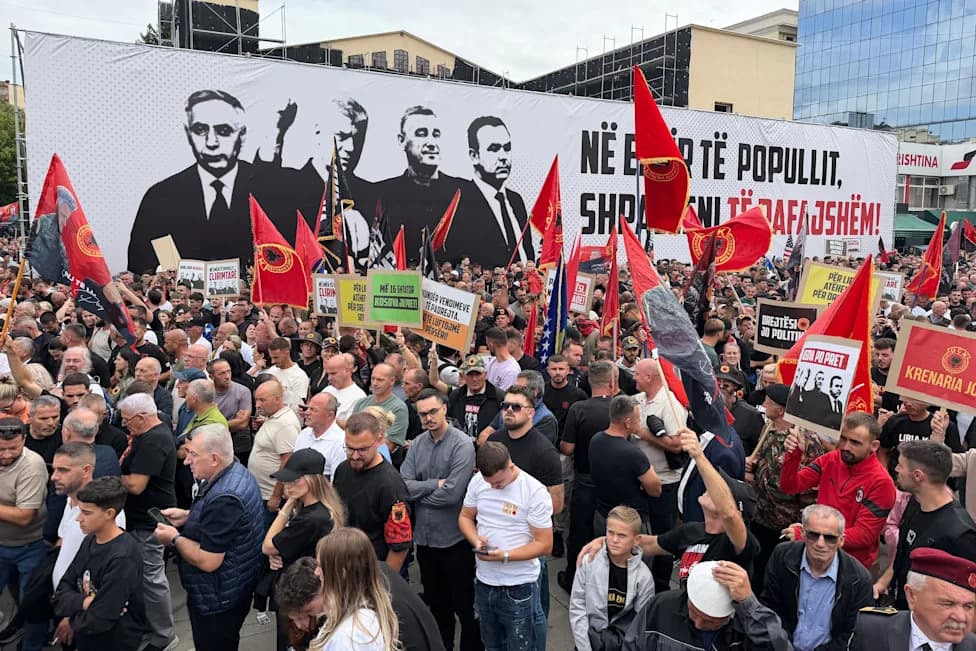
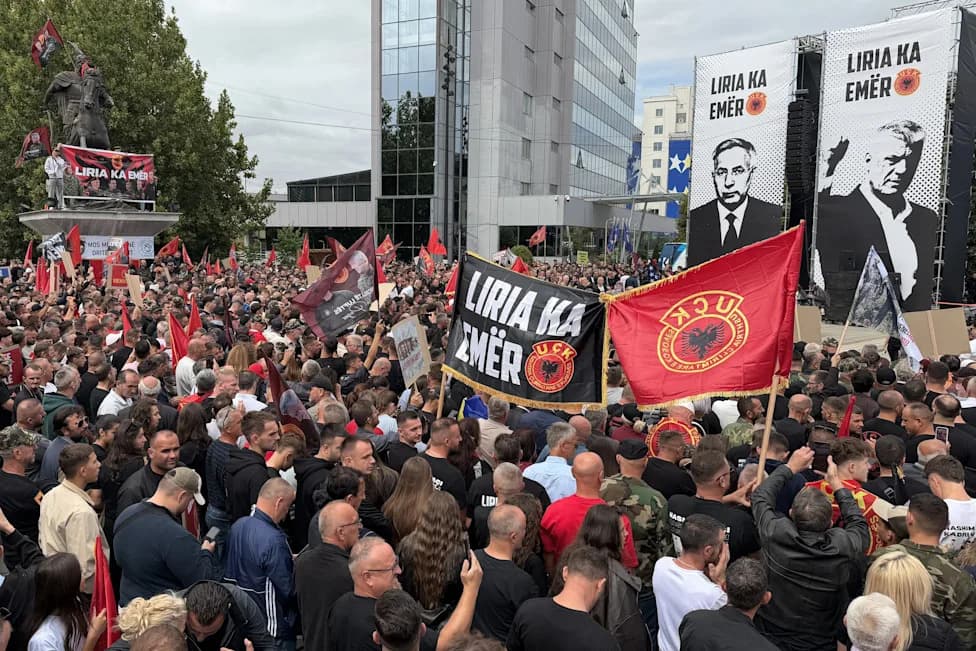
People rally in Pristina, Kosovo, Saturday, Sept. 12, 2026, in support of the former president Hashim Thaci and the other defendants, Kadri Veseli, Rexhep Selimi and Jakup Krasniqi ahead of their verdicts next week at a Netherlands-based court which tried them for alleged war crimes during a 1998-1999 separatist war from Serbia. (AP Photo/Zana Cimili)(AP Photo/Zana Cimili)
PRISTINA, Kosovo — Kosovo's parliament on Monday delivered a rare show of unity, unanimously condemning recent war-crimes convictions handed down by a Netherlands-based, EU-supported court against four former Kosovo Liberation Army (KLA) commanders.
Parliamentary Response
All 99 lawmakers present approved a declaration expressing concern about the verdicts and urging state institutions to coordinate legal, institutional and diplomatic measures to defend Kosovo's interpretation of the 1998–99 war of independence from Serbia. Acting President Albulena Haxhiu read the declaration aloud in parliament.
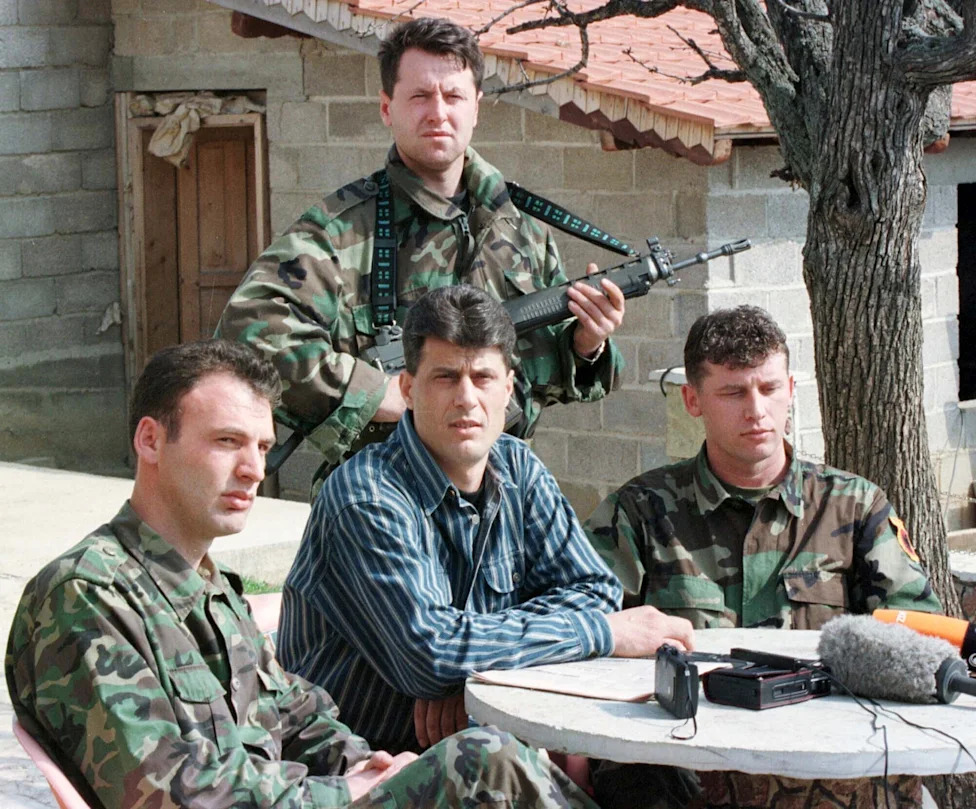
FILE - Hashim Thaci, head of the Kosovo Albanian negotiation team and head of the Kosovo Liberation Army political directorate, center, addresses a press conference in a secret location in central Kosovo, Saturday, March 13, 1999. (AP Photo/Visar Kryeziu, File)(AP Photo/Visar Kryeziu)
Lawmakers called for a "joint state strategy" to "protect and affirm the full historical truth about the just war for Kosovo's freedom and liberation."
The Verdicts And Reaction
Earlier this month, a court in The Hague found former President Hashim Thaçi and three other ex-KLA commanders — Kadri Veseli, Jakup Krasniqi and Rexhep Selimi — guilty of war crimes and sentenced them to prison terms ranging from 13 to 25 years. Many Kosovo officials and citizens have criticized the rulings as unjust, arguing the KLA fought to repel Serbian repression and warning the convictions could tarnish the widely shared narrative of Kosovo's independence struggle.
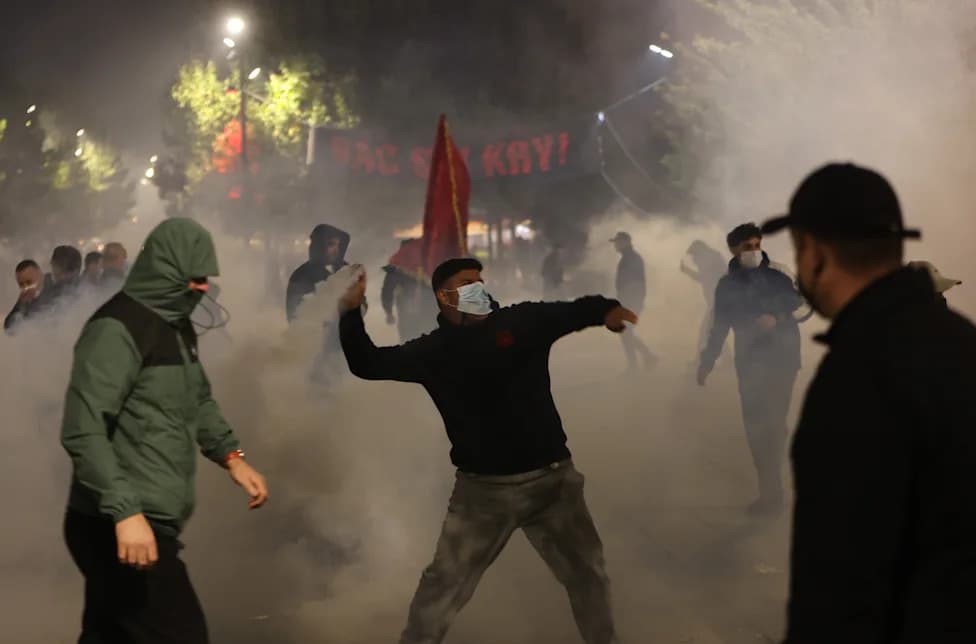
Since the verdicts were announced, thousands have taken to the streets across Kosovo in protests that have added political pressure on Prime Minister Albin Kurti's government, already mired in a prolonged crisis after a failed presidential election.
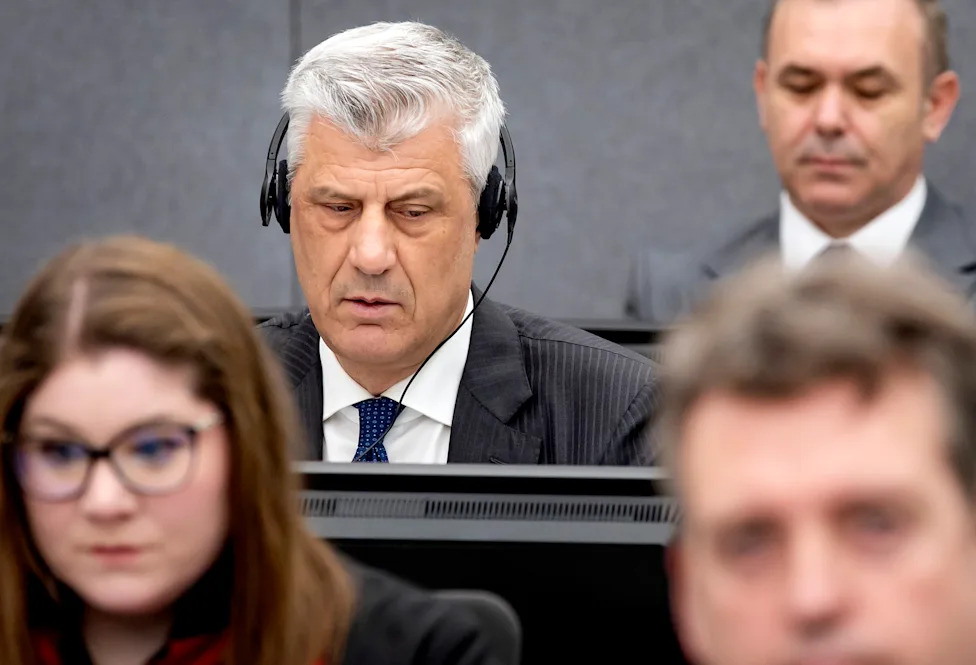
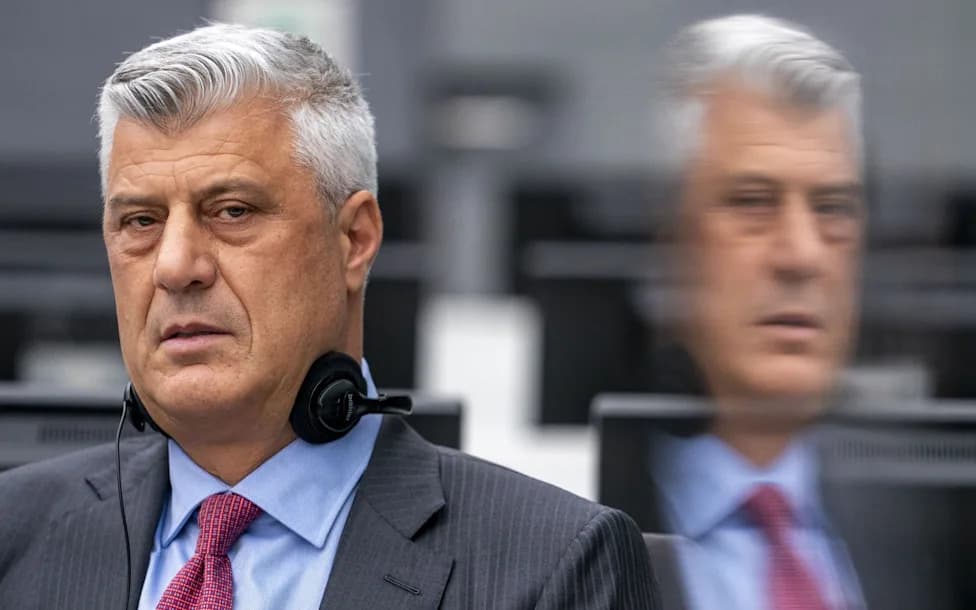
FILE - Former Kosovo president Hashim Thaci, top left, appears before the Kosovo Tribunal as he defends himself against charges including murder, torture and persecution allegedly committed during his country's war for independence from Serbia in the Hague, on April 3, 2023. (Koen van Weel/Pool via AP, File)(Koen van Weel/Pool ANP via AP)
Political Fallout
Kosovo faces a new Oct. 6 deadline for political parties to agree on a presidential candidate; failure to reach agreement would trigger early elections — a potential third ballot within a year. Some opposition parties have conditioned their support for a president on passage of a law that would limit the scope of the Specialist Chambers in The Hague that tried Thaçi, Veseli, Krasniqi and Selimi. Prime Minister Kurti has not publicly accepted that demand; his government has pledged to support the four defendants in their appeals.
Context And International Dimension
More than 13,000 people died during the 1998–99 conflict, which ended after NATO bombing forced Serbian security forces to withdraw from Kosovo, then a Serbian province. Kosovo declared independence in 2008, a status still not recognized by Serbia. The Specialist Chambers were established in 2015 with EU backing and are based in The Hague.
Kosovo has been repeatedly told it must normalize relations with Serbia to advance toward European Union membership. An EU-mediated dialogue aimed at normalization has stalled as tensions between the former wartime foes continue to simmer.
What Comes Next: The convicted men have the right to appeal. Domestically, lawmakers are pushing for a coordinated state response while political negotiations in Pristina race toward the Oct. 6 deadline.
Help us improve.