This article compares two Baker County shootings to examine apparent inconsistencies in how self-defense claims are handled. Jamarian Byrd and Travis Roberts Jr. say they returned fire after a 19-year-old pointed a shotgun at them; they were arrested, denied Stand Your Ground immunity and remain jailed. By contrast, Gardner Fraser — who shot Dominic Jerome "D.J." Broadus multiple times in 2018 — faced only a tampering conviction despite forensic and digital evidence suggesting a prearranged meeting. The piece argues the divergent outcomes and uneven investigations raise troubling questions about racial disparity and the application of self-defense law.
They Claimed Self‑Defense. Two Black Men Now Face Murder Charges — A Spotlight On Racial Disparities In 'Stand Your Ground'
They Stood Their Ground in Florida. They’re Charged With Murder. Guess Their Race.
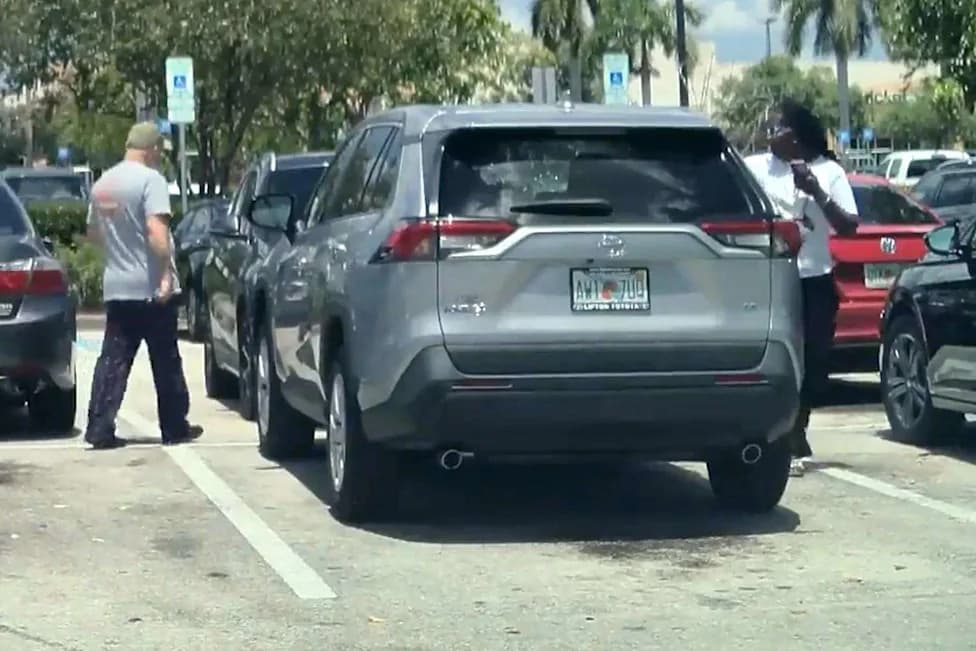
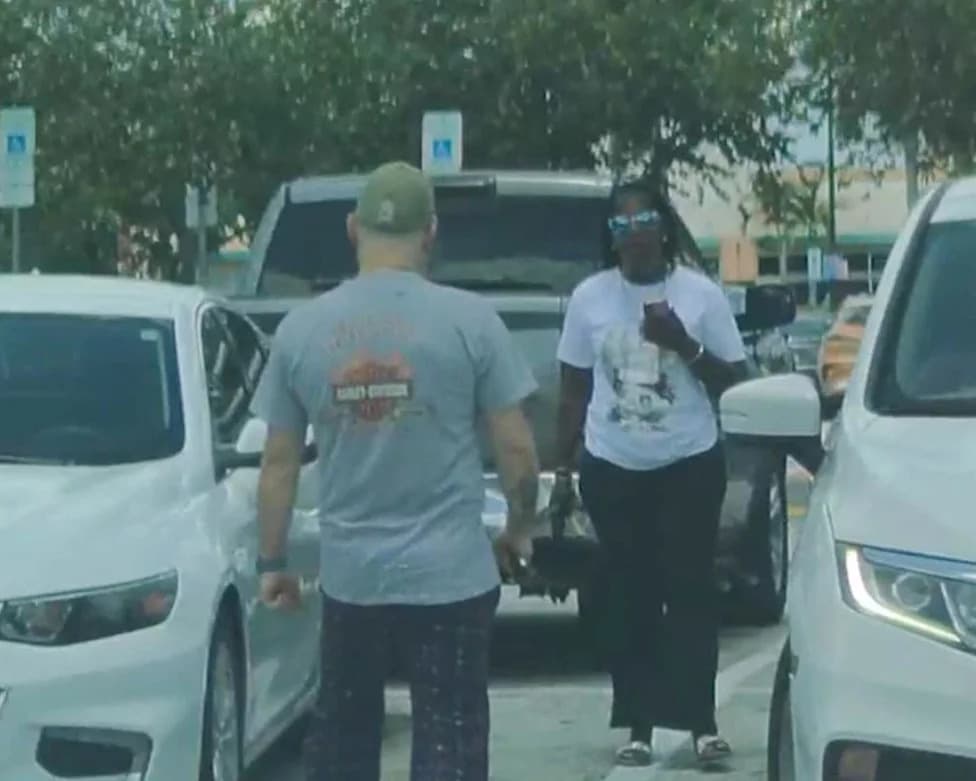
On the evening of June 26, 2025, longtime friends Jamarian Byrd, 22, and Travis Roberts Jr., 24, were standing outside 504 Quail Lane in Macclenny, Florida, when two white teenagers approached carrying firearms. Around 7:45 p.m., 19-year-old Devin "D.J." Powers raised a single-shot shotgun and pointed it at Byrd and Roberts. According to a neighbor's home-surveillance footage, shots were exchanged. Fearing for their lives, Byrd and Roberts returned fire. Twenty-six seconds into the confrontation, Powers lay wounded on the porch steps with a single gunshot to the neck; he died three days later. The younger teen, 14, survived a shot to his leg.
What Witnesses Say
Byrd and Roberts say they did not know the teens. Witnesses told investigators that earlier that day Powers had argued with an acquaintance of Byrd and Roberts known as "Bud." The dispute allegedly escalated when Powers brandished a gun and Bud grabbed the weapon and struck him. Family members said Powers returned home, took another firearm and left the house twice that evening, despite relatives' efforts to keep him inside.
Arrest, Charges, And Denied Immunity
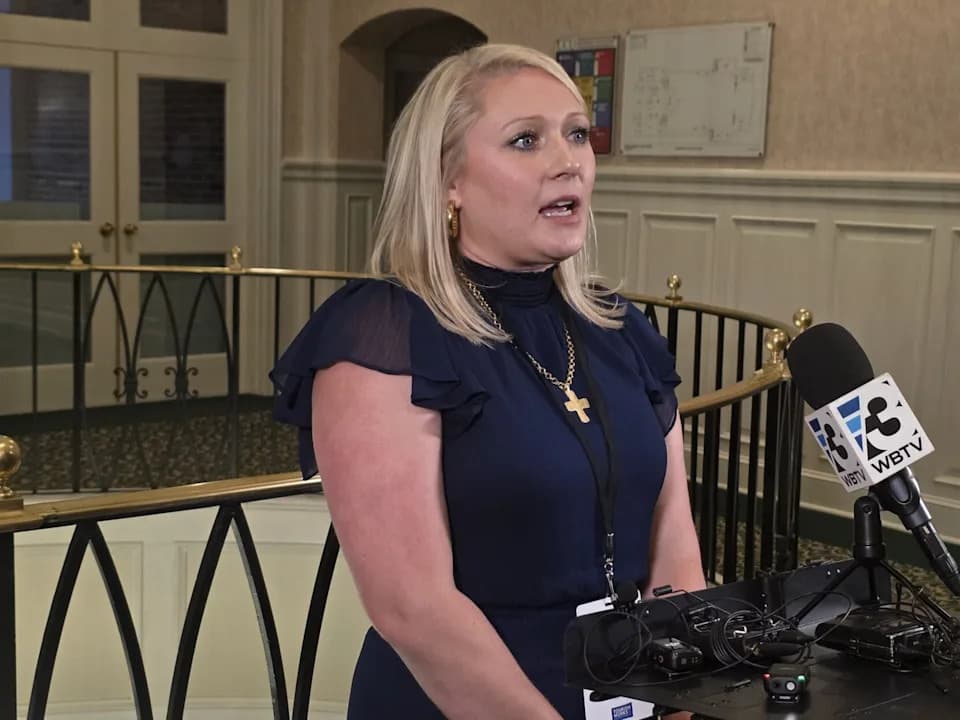
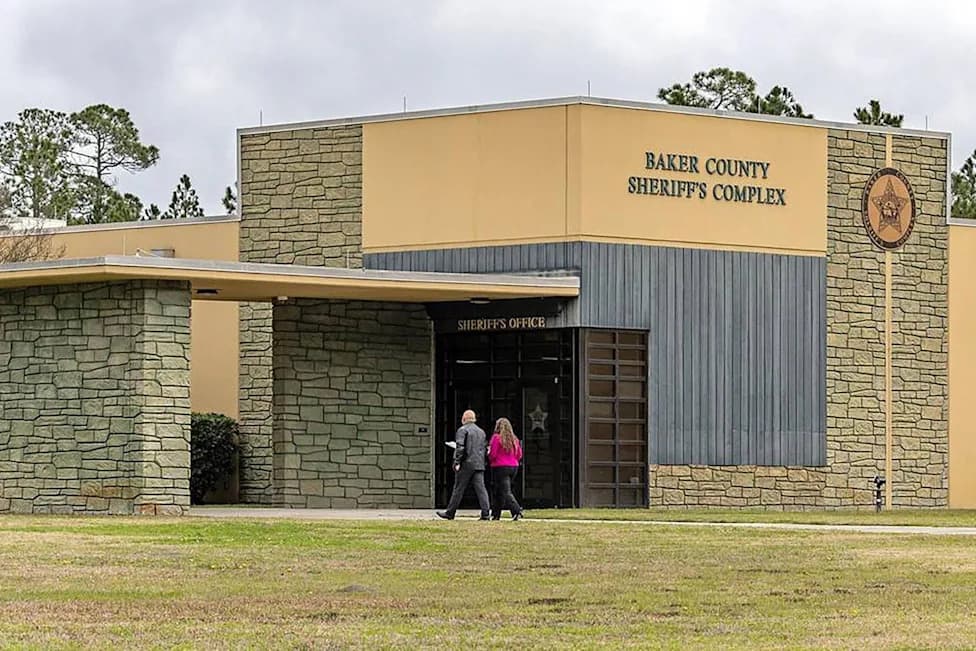
Baker County Sheriff Scotty Rhoden publicly said Byrd and Roberts acted within the law: "At that point their lives are in fear, that is self-defense." Still, eleven days after the shooting both men were arrested and charged with first-degree murder and additional offenses. They have been held at the Baker County Detention Center without bail since their arrest.
On June 17, 2026, Judge Denise Ferrero denied the men immunity under Florida's "Stand Your Ground" statute. The order found that although the two initially had a right to defend themselves, that right ended when Powers began to retreat while still holding his shotgun and Byrd and Roberts moved toward him.
The 2018 Broadus Case: A Stark Contrast
Eight years earlier, a nearby case raised questions about inconsistent applications of self-defense doctrine. In February 2018, 31-year-old Dominic Jerome "D.J." Broadus was shot to death by his former partner, Gardner Fraser. The medical examiner concluded that two shots struck Broadus in the face while he stood, and two more struck his neck at close range after he had fallen. Fraser did not immediately call 911; he waited 21 minutes and first phoned family members. Investigators later found Broadus' body had been moved and his phone missing. Fraser deleted texts and images from his own phone that investigators later recovered through forensics, including messages showing Broadus had arranged to meet him that day.
Fraser was ultimately arrested on a tampering charge, pleaded no contest and served nine months of a one-year sentence. He was never charged with homicide, despite the forensic pattern and digital evidence indicating a prearranged meeting.
Differences In Investigation And Narrative
Side by side, the two cases highlight marked differences in how officials treated shooters and evidence. In the Broadus case, officers reportedly calmed Fraser at the scene and discouraged further statements; in the Powers case, Byrd and Roberts say they cooperated and recounted events voluntarily. Investigative steps also diverged: neither teen who approached Byrd and Roberts was swabbed for gunshot residue, Powers' clothing was destroyed by hospital staff before collection, and investigators did not seek a warrant to search his home or formally interview relatives who had tried to keep the teens inside.
Judge Ferrero's order also noted that Byrd and Roberts "outnumbered" Powers, a point that omits the presence of the 14-year-old companion, who witnesses say was armed and allegedly told arriving officers to "go get them n—s." The order further states that Byrd and Roberts "sprayed the neighborhood with at least 47 bullets," a characterization the defense argues reflects panic and chaos more than deliberate planning.
Legal Questions And Broader Concerns
Florida's Stand Your Ground law allows force when a person reasonably believes it is necessary to prevent imminent death or great bodily harm. Self-defense claims turn on subjective and time-sensitive judgments: what a reasonable person would fear and how quickly they must respond when seconds can mean life or death. The contrast between the Broadus and Powers matters — and the different outcomes invite scrutiny about equal application of the law and investigative rigor.
What Comes Next
Byrd and Roberts can petition the First District Court of Appeal for a writ of prohibition to review the denial of immunity before trial. If the appeal fails, the case will proceed to trial in Baker County. The courthouse in Macclenny features a hand-painted mural that includes three Ku Klux Klan members on horseback — an image the article notes as a stark reminder that local history and perceptions can shape contemporary questions about whose fear and whose life the legal system protects.
Sources And Reporting Notes
This article summarizes court filings, public statements by law-enforcement officials and witness testimony reported during pretrial proceedings. Quotations from the judge and sheriff are drawn from their written order and public comments. Ages, dates and locations are taken from court documents and local reporting.
Help us improve.