The Broward State Attorney’s Office declined to charge Melissa Payne after she shot and killed 62-year-old Bart DiGuglielmo following a parking-space dispute at a North Lauderdale Walmart on June 30. Prosecutors say video and witness statements show DiGuglielmo returned, appeared angry and repeatedly advanced while Payne retreated; she fired one shot that struck him. The office concluded it could not disprove her self-defense claim under Florida’s Stand Your Ground law by the clear and convincing standard, though it noted the footage does not prove Payne “was in the right.” DiGuglielmo’s family disputes the decision.
Florida Woman Won’t Be Charged After Fatal Walmart Parking Dispute; Prosecutors Cite Stand Your Ground
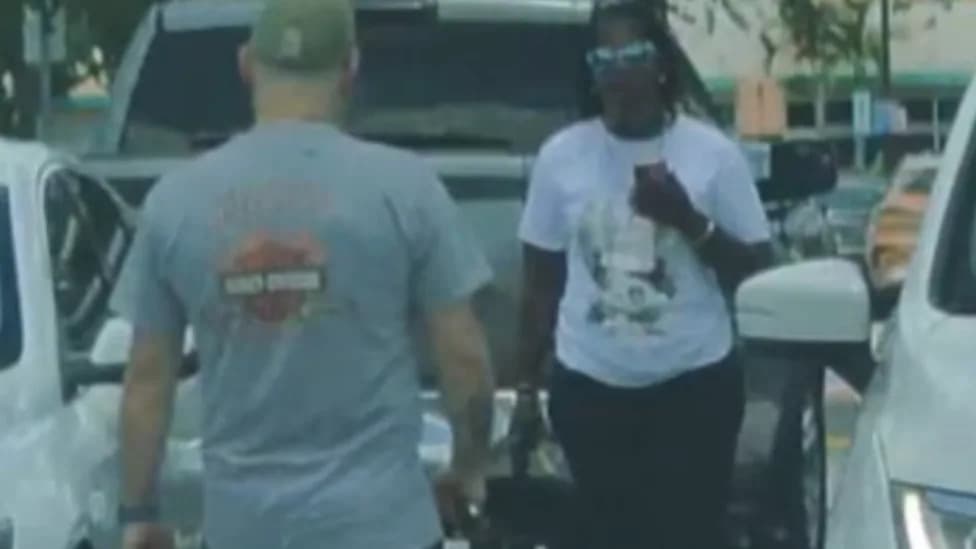
Image Credit: Ottumwa Radio / YouTube.
A parking-space dispute at a North Lauderdale Walmart on June 30 escalated into a deadly confrontation that left 62-year-old Bart DiGuglielmo dead and prompted prosecutors to decline criminal charges against Melissa Payne.
What Happened
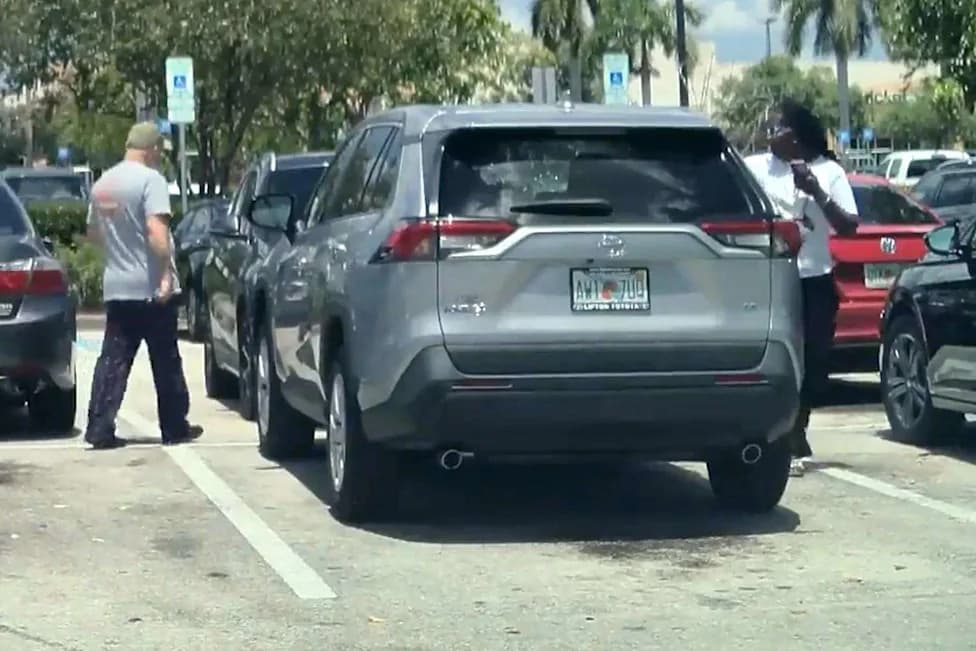
Prosecutors say Payne and DiGuglielmo reached the same parking stall at roughly the same time. Payne parked her Chevrolet Malibu with her niece and the niece’s infant daughter inside. DiGuglielmo, driving a Kia SUV, left the immediate area, pushed a shopping cart into the store and then returned about 90 seconds later.
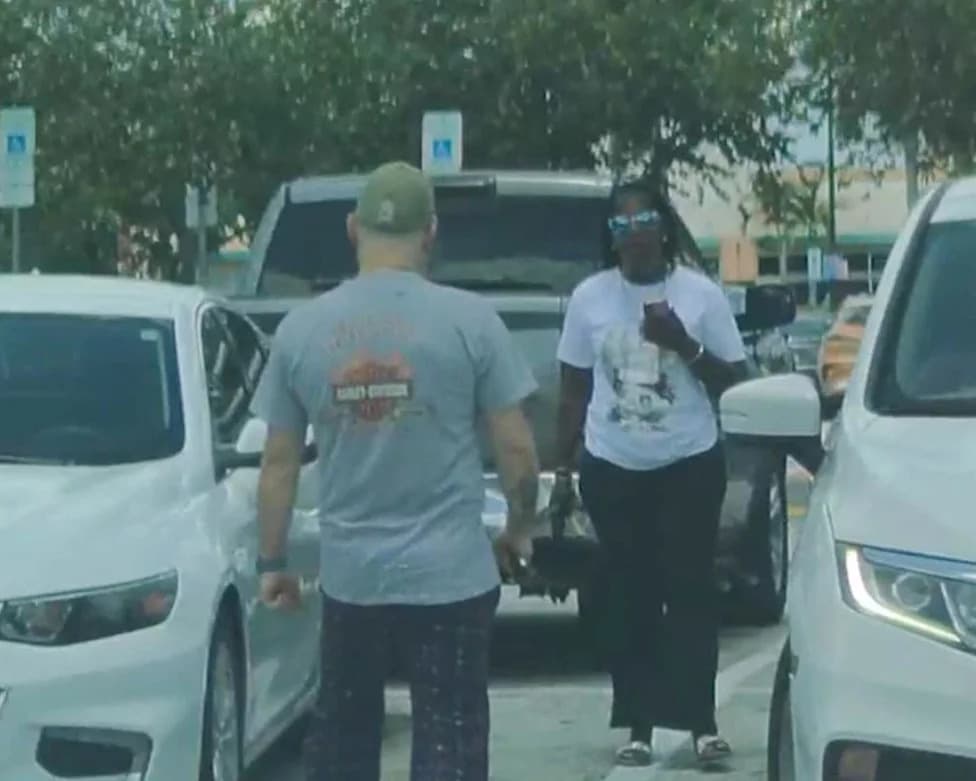
Witnesses told investigators DiGuglielmo appeared angry and threatened to damage Payne’s car. Video reviewed by the Broward State Attorney’s Office shows him parking elsewhere in the lot, sitting for about 90 seconds, then walking back toward Payne’s vehicle. He reportedly paused beneath trees before approaching her, and witnesses described him as visibly upset and shaking.
The Confrontation And Shooting
According to the prosecutor’s reconstruction and multiple recordings, DiGuglielmo advanced toward Payne after she had exited her car holding a phone in one hand and a gun in the other. Payne warned him she would shoot if he continued, witnesses said. Video shows Payne backing between parked vehicles as DiGuglielmo followed; at one point prosecutors interpreted a motion with keys in his hand as a threat to damage the Malibu. Payne then fired a single shot that struck DiGuglielmo in the abdomen. He later died at a hospital.
After the shooting Payne placed the gun on her car. Deputies took her into custody briefly; she cooperated with investigators, waived her Miranda rights about five minutes after officers arrived, and gave a statement that prosecutors said was consistent with the recorded footage.
Prosecutor’s Decision And Legal Reasoning
On Sept. 1, the Broward State Attorney’s Office announced it would not file criminal charges. Prosecutors emphasized an important distinction: the evidence does not prove Payne “was in the right,” but the office could not disprove her claim of self-defense under Florida’s Stand Your Ground law by the required clear and convincing standard.
Under Florida law cited by prosecutors, a person who reasonably believes deadly force is necessary to prevent imminent death or great bodily harm has no duty to retreat when lawfully present and not engaged in criminal activity. The memo from the Homicide Trial Unit highlighted that DiGuglielmo returned after the parking dispute, appeared angry and continued to approach as Payne retreated, and that an infant remained inside Payne’s car.
“The video does not demonstrate that [Payne] was in the right,” wrote Homicide Trial Unit Division Chief Stephen Zaccor, “but prosecutors could not prove her fear of great bodily harm was unreasonable.”
Family Reaction
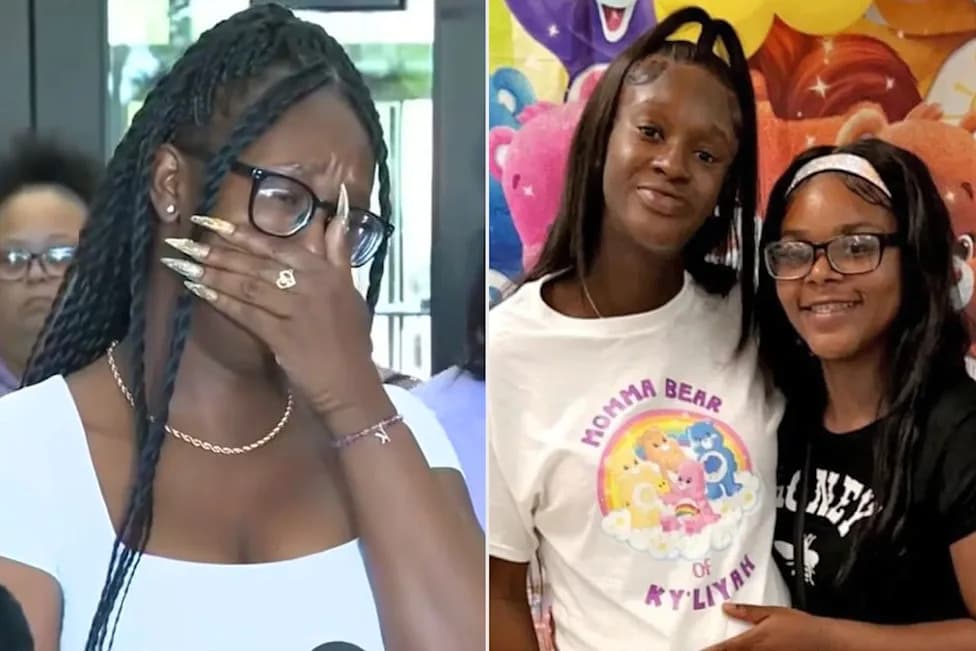
DiGuglielmo’s family disputes the decision. Attorney Melissa Rodriguez, representing his daughter Amanda, told local media the family does not believe threats to damage property justify deadly force. Amanda DiGuglielmo has publicly described her father as a longtime emergency-room trauma nurse, an Army veteran, and a devoted family man.
Evidence And Burden Of Proof
Prosecutors relied heavily on multiple video sources and witness statements to reconstruct the timeline. Their decision turned on whether the state could, by clear and convincing evidence, disprove Payne’s claim of self-defense—an evidentiary burden the office concluded it could not meet.
The case highlights how Florida’s self-defense statutes and the Stand Your Ground doctrine can shape prosecutorial decisions, especially when video and witness accounts leave reasonable doubt about the necessity of deadly force.
Help us improve.