The cyclospora outbreak linked to Taylor Farms involves iceberg lettuce and bagged salad mixes reportedly past their sell-by dates, prompting targeted recalls. Major retailers reported to source Taylor Farms produce include Whole Foods (365), Walmart (Marketside), Kroger and its regional banners, and Target (Good & Gather). Consumers should check official recall lists, discard any matching items, and seek medical care if they develop symptoms of cyclosporiasis.
Which Store Brands Use Taylor Farms? 4 Major Retailers Named During Cyclospora Lettuce Recall
Swalls/Getty Images
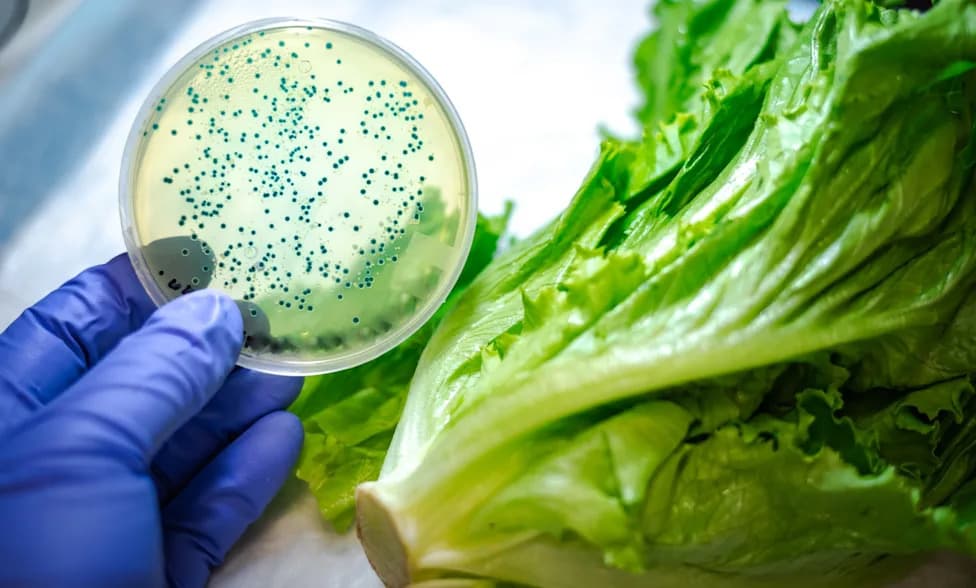
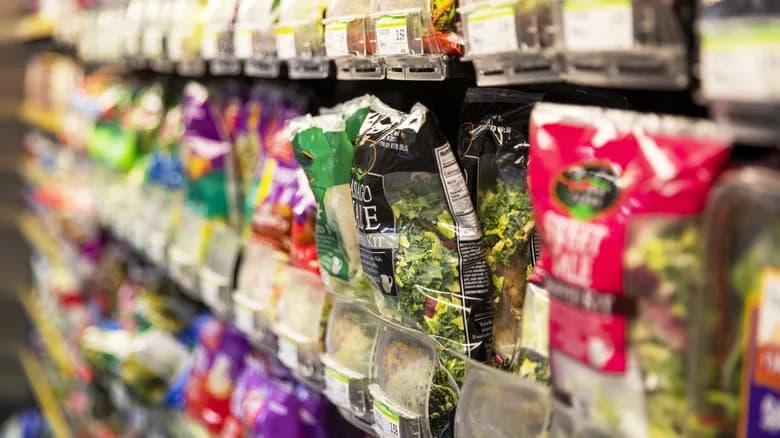
The cyclospora outbreak tied to Taylor Farms has drawn renewed attention to how large produce packers supply private-label and national grocery brands. While cyclosporiasis previously prompted one of the largest produce recalls in U.S. history (1996 raspberries), the current recall centers on iceberg lettuce supplied to Taylor Farms from Mexico. Because Taylor Farms supplies many retailers behind the scenes, its products can appear under familiar store brands.
Sundry Photography/Getty Images
What Was Recalled
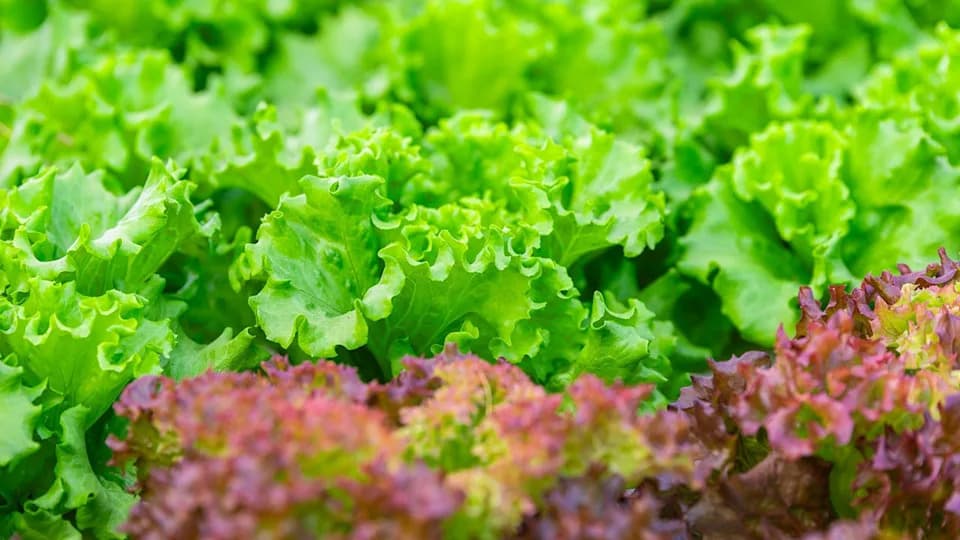
Taylor Farms has identified the recalled items as assorted iceberg lettuce and bagged salad mixes. Company statements and recall lists indicate the affected products are reportedly past their sell-by dates, so they should no longer be available on store shelves or in most home refrigerators. Still, consumers should verify items in their homes against the official recall list and discard any matches.
PJ McDonnell/Shutterstock
Retailers Where Taylor Farms Produce Has Appeared
Whole Foods (365)
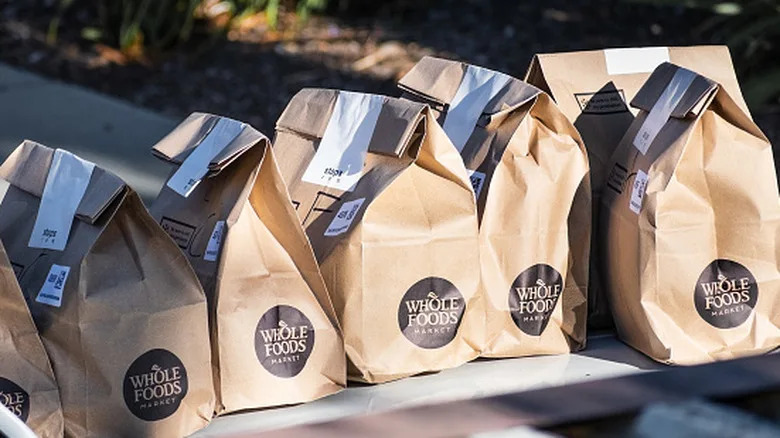
Whole Foods’ 365 private-label line mixes items from multiple suppliers. Taylor Farms was publicly listed as a produce partner for Whole Foods in 2016, and Taylor-branded products continue to show up in some stores. That suggests Taylor Farms may still supply at least some 365 items, though private-label sourcing varies and a supplier relationship does not mean every product is affected.
Jetcityimage/Getty Images
Walmart (Marketside)
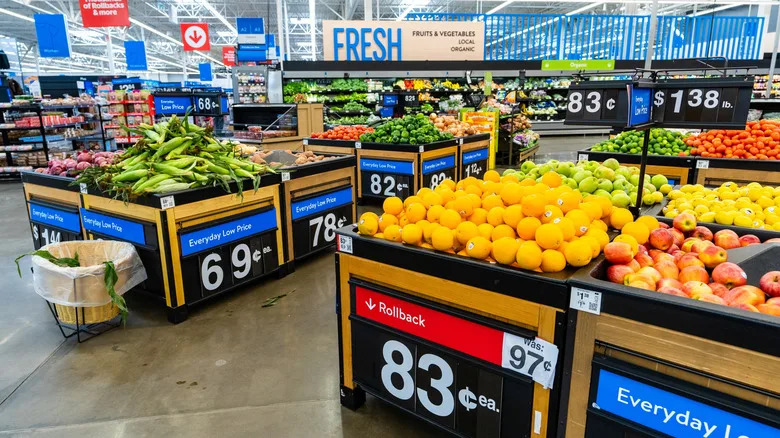
Walmart’s Marketside brand offers ready-to-eat produce and salad kits. Reports indicate Walmart alternates sourcing for some fresh items between Taylor Farms and other packers such as Dole. Unlike other retailers, several Marketside lettuce products were specifically named (with UPCs) in the Taylor Farms recall, and some stores reported proactively removing iceberg lettuce from shelves early in the outbreak.
Bgwalker/Getty Images
Kroger (Multiple Banners)
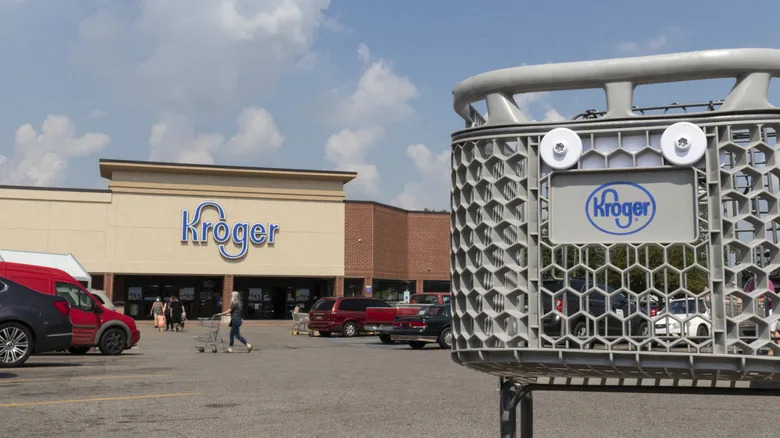
Kroger operates more than a thousand stores under its flagship and dozens of regional banners (for example, Fred Meyer and King Soopers). Employee reports and social posts suggest Taylor Farms supplies a large share of Kroger’s pre-packaged vegetables and bagged salad mixes, with deliveries sometimes arriving in boxes marked with Taylor Farms’ name. While this points to significant usage, sourcing may differ across banners and locations.
Target (Good & Gather)
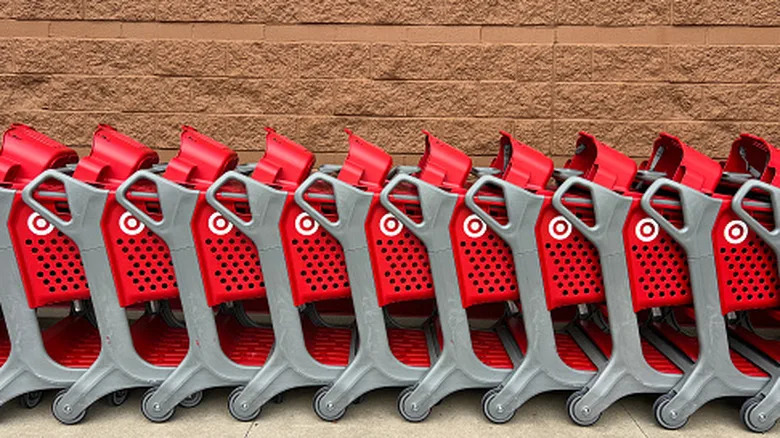
Target’s Good & Gather private label has expanded into fresh-prepared categories such as chopped salad kits. Several sources note that some Good & Gather salad kits use Taylor Farms produce. To date, no Taylor Farms items specifically tied to this cyclospora recall have been confirmed as sold at Target, although Target also stocks Taylor Farms–branded salad kits and bowls.
What Consumers Should Do
Supply chains and private-label sourcing are complex, so a supplier’s name on a delivery box does not automatically mean every store-brand product is affected. Recommended steps:
- Check the official recall list from Taylor Farms or the U.S. FDA/CDC and compare UPCs and product names.
- Discard any matching items and seek a refund or replacement from the retailer.
- Watch for symptoms of cyclosporiasis (prolonged watery diarrhea, stomach cramps, nausea, fatigue) and contact a healthcare provider if you become ill.
- Practice good kitchen hygiene: wash hands, sanitize surfaces, and properly discard suspected products.
Retailers are responsible for notifying customers and removing recalled items from sale. If you have questions about a specific product, contact the store where you purchased it or consult official public-health recall pages for the most up-to-date information.
Help us improve.