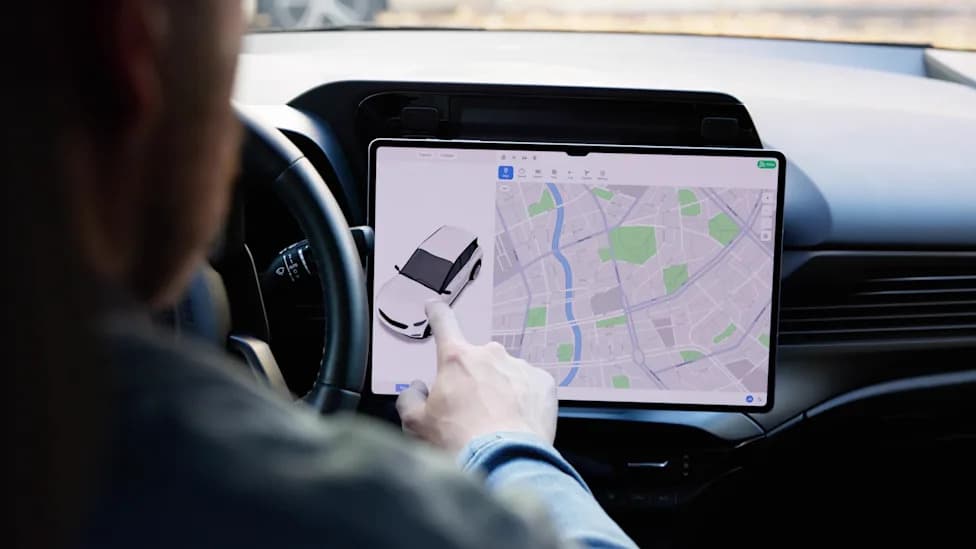
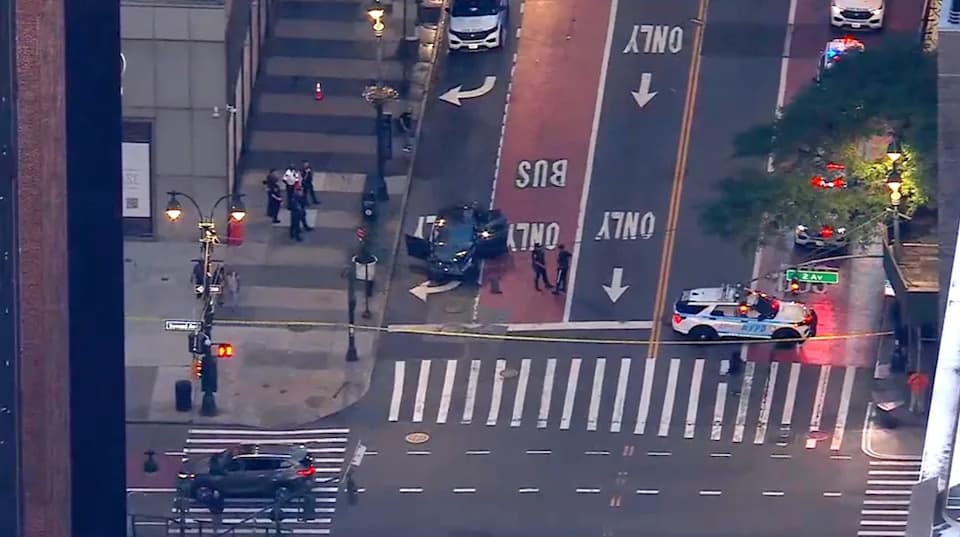
Kyle Shanahan was seriously injured in a July 14 Palo Alto head-on collision when his Tesla Model S—reportedly with Autopilot engaged—drifted into oncoming traffic after he looked away for about two seconds to retrieve his phone. Shanahan suffered multiple injuries, including a concussion, a broken nose, three broken ribs, a broken hand and a cut requiring roughly 40 stitches; the other driver, 21, was not seriously hurt. Palo Alto police found Shanahan at fault and noted a clerical error had initially misassigned blame in the state database. The crash adds to scrutiny of Tesla's Level 2 Autopilot as federal probes and litigation continue.
Kyle Shanahan Severely Injured After Tesla Drifts Into Oncoming Traffic With Autopilot Engaged
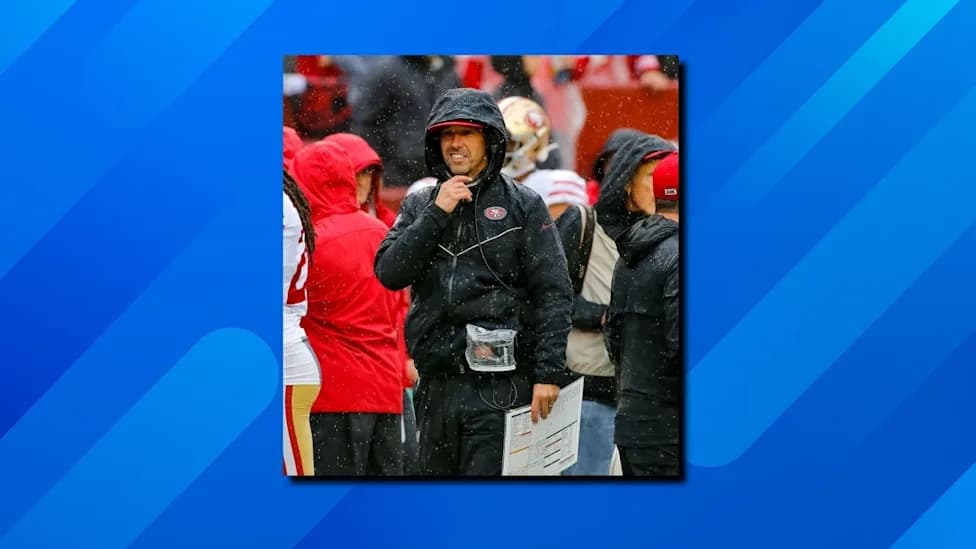
Image Credit: 49ers at Redskins 2019 K0A7015 (48936898348) via Wikimedia Commons
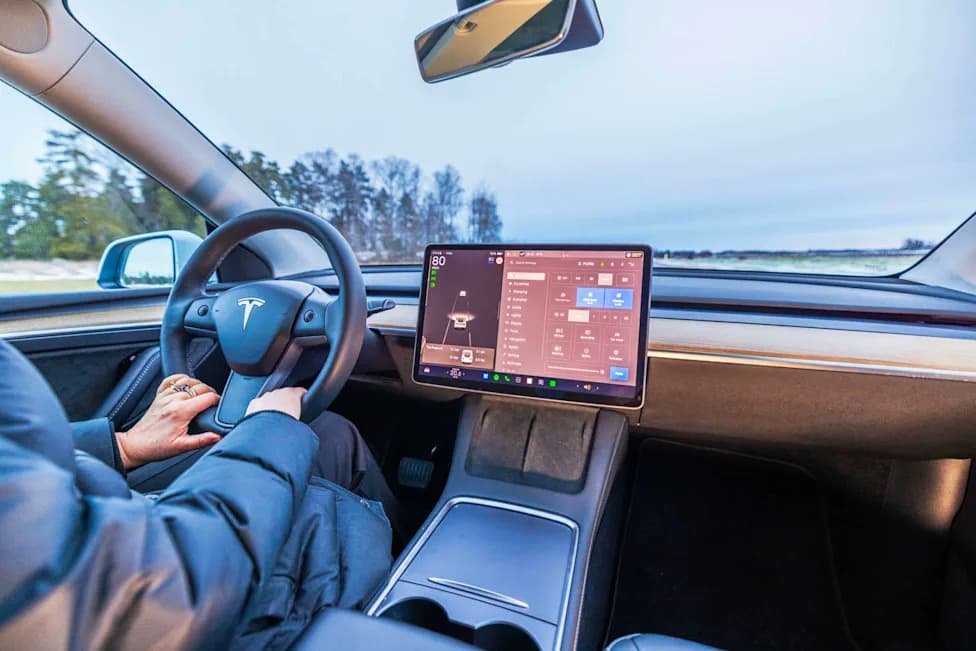
San Francisco 49ers head coach Kyle Shanahan is recovering after a serious head-on collision in Palo Alto on July 14 involving his Tesla Model S. Shanahan told ESPN that his car had Autopilot engaged when, while traveling at about 20 mph, he briefly looked away to retrieve his iPhone and the vehicle veered into oncoming traffic.
What Happened
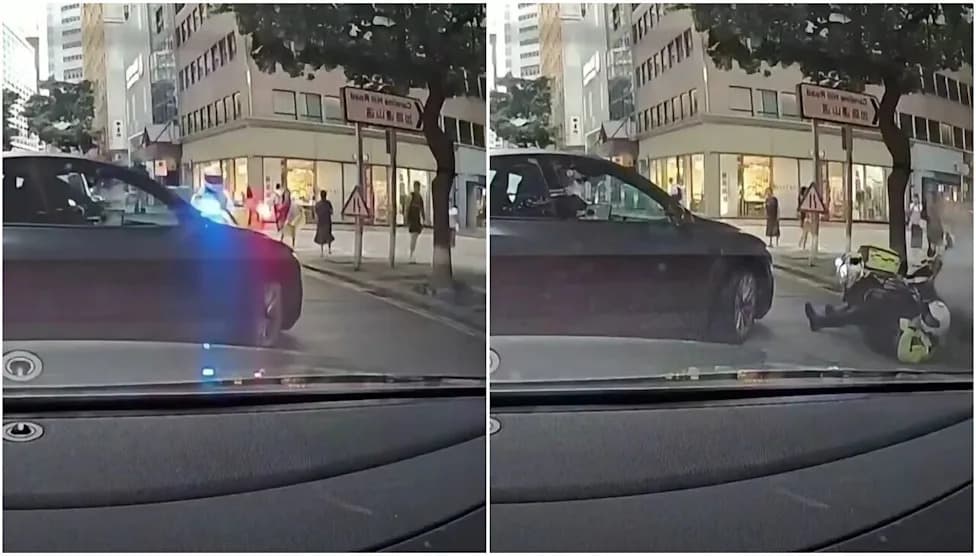
Shanahan said he was returning to his Los Altos home from a chiropractor appointment in Menlo Park when his phone slipped from his lap and became lodged between the seats. He says he looked away from the road for roughly two seconds to find it; during that brief interval his Tesla crossed into the opposite lane near Alma Street and Hamilton Avenue and struck an SUV driven by a 21-year-old woman. She was not seriously injured.
Injuries and Aftermath
The impact was violent enough that Shanahan reported his airbags broke his nose and the sun visor caused a deep cut above his right eye. He suffered a concussion, a broken nose, three broken ribs, a broken left hand and a wound that required roughly 40 stitches. Shanahan was taken to Stanford Hospital and estimates he spent eight to ten hours receiving treatment.
"I hit her," Shanahan said after learning the state collision database initially listed the other driver at fault. "I don't know why it was reported that way."
Responsibility, Police Finding and Clerical Error
Palo Alto police said Shanahan was found at fault for the collision, though officers used discretion and did not issue either driver a citation. The department later acknowledged a clerical error sent incorrect information to the state collision-report database and said it would correct the record. Police also emphasized that no preferential treatment was given to either driver.
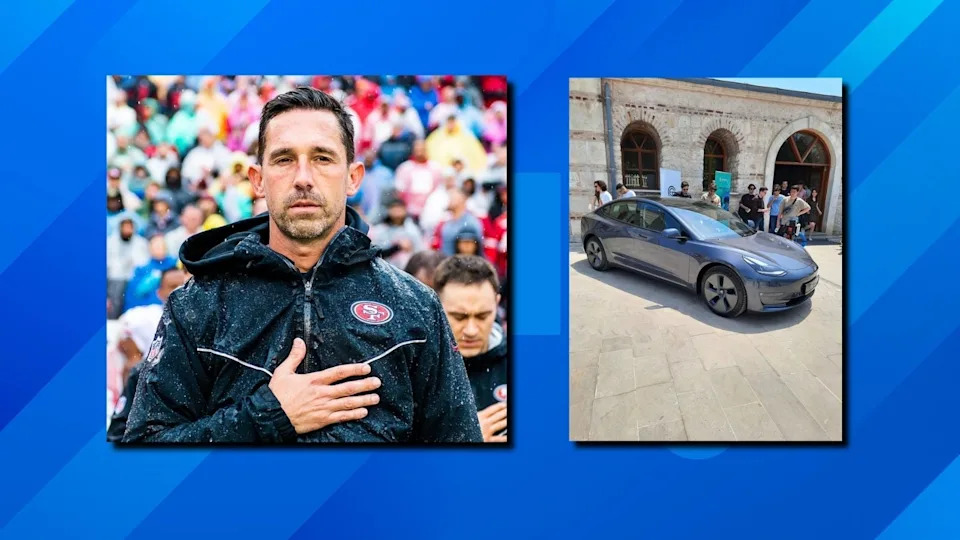
Image Credit: Wikimedia Commons
Autopilot, Context and Broader Concerns
Shanahan disclosed that Autopilot was engaged immediately before the crash but has not placed direct blame on Tesla. "Who knows what happened when I turned around?" he said, questioning whether the system malfunctioned or was inadvertently disengaged. He emphasized that drivers remain responsible for monitoring the road even when Level 2 driver-assistance systems are active.
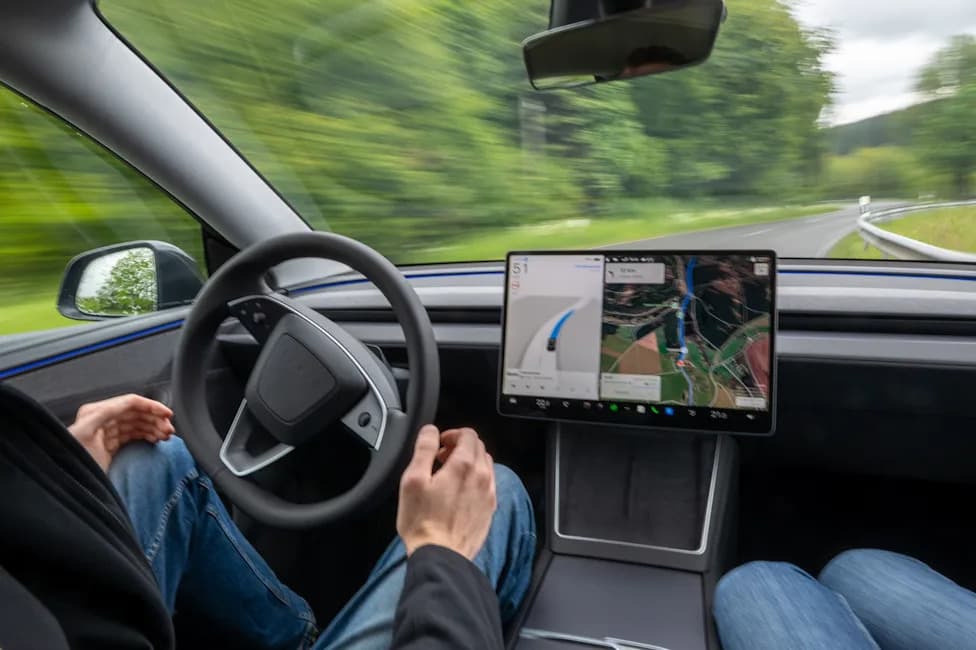
Shanahan also said he has used Tesla's Autopilot for roughly nine years and had become "pretty comfortable" with it—an admission that highlights a known risk with advanced driver-assistance systems: they can foster complacency by handling many routine tasks while still requiring constant human supervision.
The incident comes as the National Highway Traffic Safety Administration (NHTSA) is investigating millions of Tesla vehicles equipped with Full Self-Driving software, and as Tesla faces multiple lawsuits involving crashes where driver-assistance systems were reportedly active. One high-profile case earlier this year involved a nearly $243 million verdict tied to a 2019 crash in Florida in which a driver reportedly bent down to retrieve his phone while Autopilot was engaged.
Takeaway
While Shanahan does not blame Tesla and police have ruled him responsible, the fact that Autopilot was engaged immediately before the collision underlines the limitations of Level 2 systems. Those systems can assist steering, acceleration and braking but are not autonomous; drivers must remain alert and ready to intervene at any moment.
Image Credit: Wikimedia Commons
Help us improve.