Repeated heatwaves and an extended drought now affecting 71% of England have analysts warning of the UK’s most serious food security challenge in decades. Shore Capital estimates wheat yields are down about 14% and oat output by at least 9%, and projects food inflation could rise to roughly 5% from 1.7%. Global risks — including El Niño, disrupted fertiliser and fuel supplies, and higher commodity prices — compound the threat, while government bodies stress system resilience and call for long-term measures.
Britain Faces Its Worst Food Security Threat in Decades as Drought Hits 71% of England
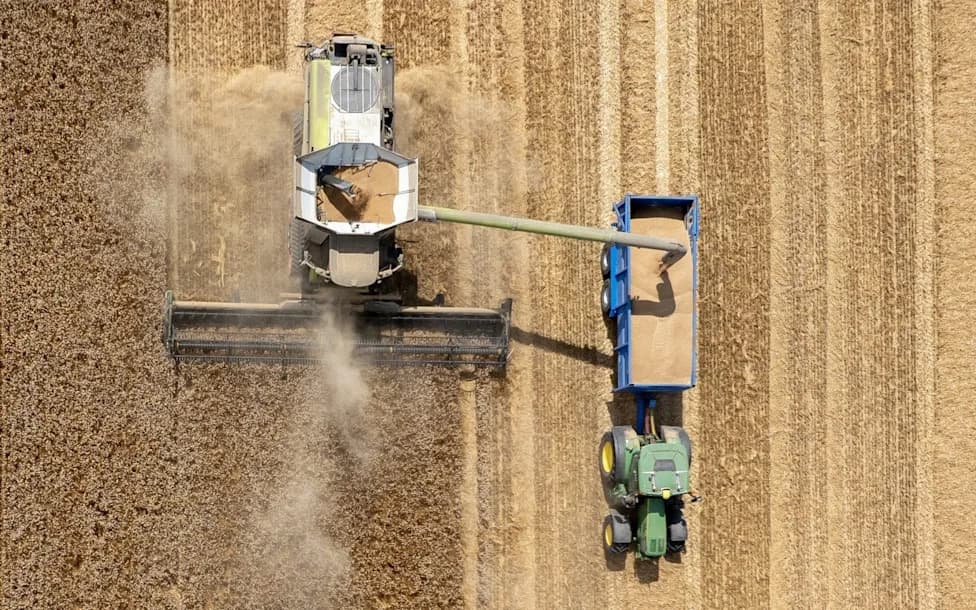
Wheat yields in the UK are down by around 14pc so far this year - Dan Kitwood/Getty Images
Analysts warn that repeated heatwaves and an unprecedented spell of dry weather have pushed Britain to the brink of its most serious food security challenge in decades, with rising temperatures threatening harvests and domestic supply.
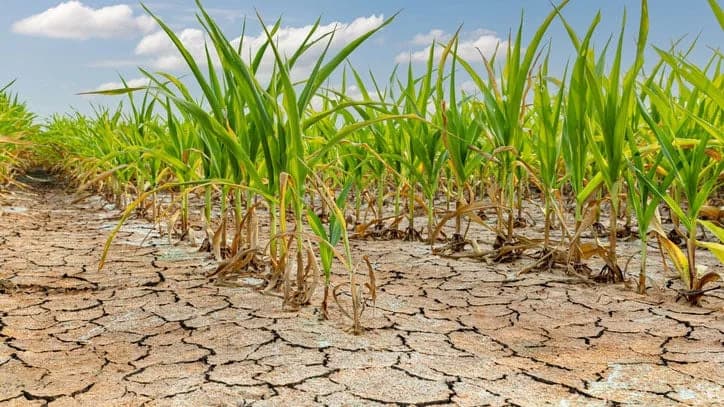
Nearly three quarters of England — about 71% of the country — has been officially declared in drought, and more than 27 million people are now subject to hosepipe bans. Experts say the prolonged hot, dry conditions have already damaged wheat yields, reduced vegetable output and constrained milk production, increasing reliance on imported food.
Impact on Crops and Livestock
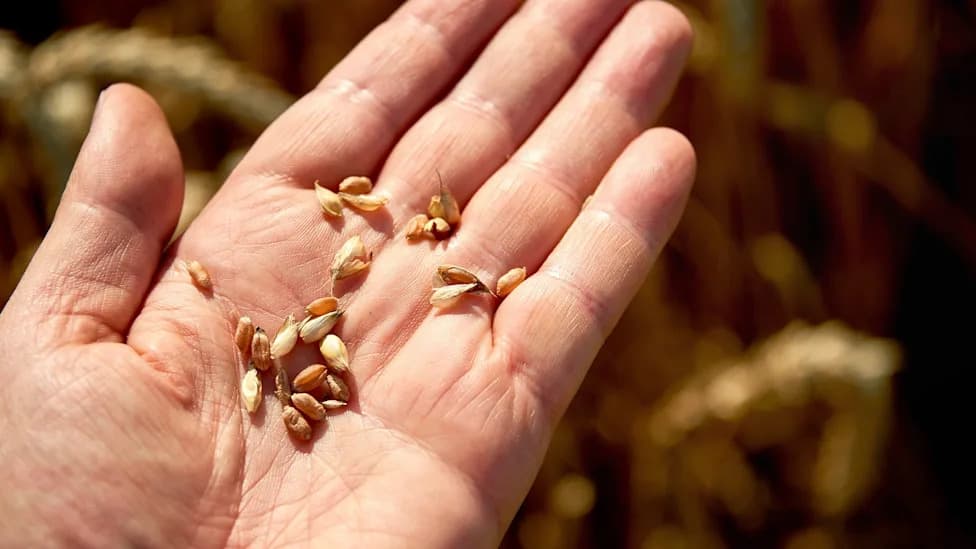
Shore Capital analysts Akhil Patel and Clive Black estimate UK wheat yields are down roughly 14% this year, while oat production has fallen by at least 9%. The National Farmers Union has warned that, if the drought persists, shortages of some food items are possible.
Lower domestic output raises feed costs for livestock producers, a cost that analysts warn is likely to flow through to consumer prices for meat and dairy.
Inflation and Economic Risks
Shore Capital projects food inflation could rise to around 5% in the coming months, up from a reported rate of approximately 1.7%. Rising global commodity prices — with cereals, vegetable oils and sugar already at multi-year highs per the UN Food and Agriculture Organization — compound the risk.
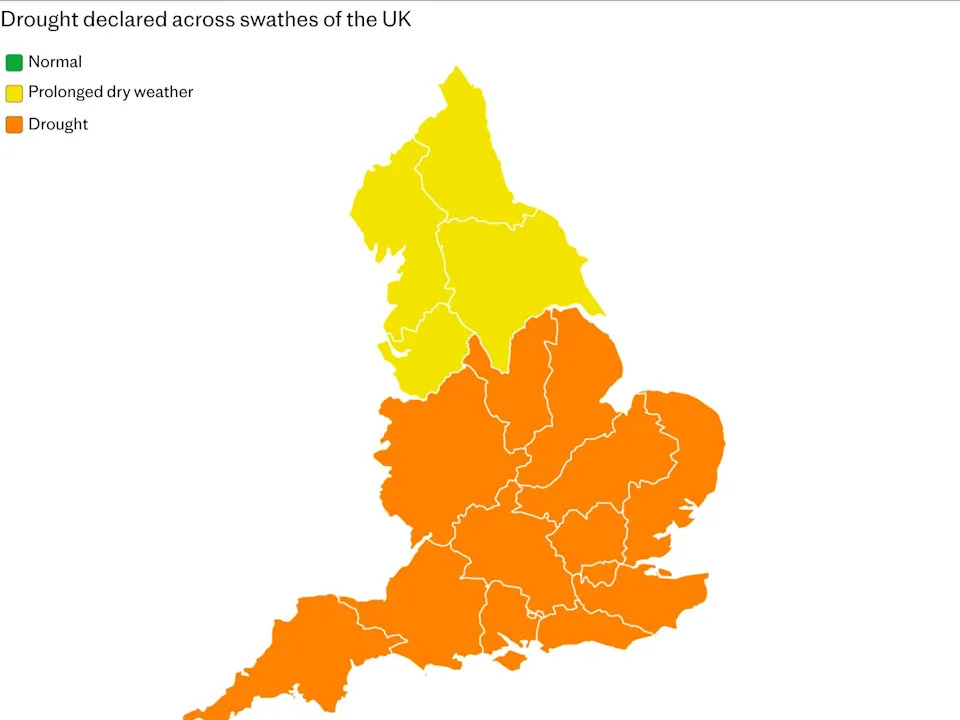
1108 Drought declared across swathes of the UK
"The UK has not been so close to a food security challenge for many decades," Shore Capital said.
Officials including Bank of England representatives have flagged the risk that higher food prices could feed into broader inflation expectations, potentially influencing wage demands and monetary policy decisions.
Global Factors Increasing Pressure
Several international developments amplify the threat: signs of a strong El Niño could reduce global crop yields; droughts and wildfires have hit European producers in France and Spain; and conflict involving Iran has disrupted fertiliser shipments through the Strait of Hormuz while pushing up fuel prices for farmers. Crude oil has risen sharply from pre-conflict levels, increasing input costs for agriculture and distribution.
Shore Capital cautioned that the assumption the UK can always import to cover shortfalls is "severely flawed" when many exporting regions face simultaneous production and logistics pressures.
Government Response and Recommendations
The Department for Environment, Food and Rural Affairs (Defra) says the UK has "a highly resilient food system" and does not expect the recent dry weather to threaten national food security. The department points to efforts such as the new Farming Roadmap and coordination with the National Drought Group and Farming and Food Partnership Board to strengthen supply chains.
Analysts and MPs have urged more far-reaching measures, including a proposed 25‑year strategy to boost food security, with policies to increase self-sufficiency in energy and water and to strengthen the resilience of domestic food production.
Retail and Consumer Impact
Higher temperatures have also affected consumer behaviour: the British Retail Consortium reported a fall in in-store non-food sales, and footfall declined sharply on high streets in June and July. Industry leaders warn that stretched household budgets and fragile consumer confidence will compound the impact of rising food prices.
What To Watch
- Crop yield updates through harvest season, particularly for wheat, barley, oats and vegetables.
- FAO and commodity-price reports for cereals, oils and sugar.
- Developments in El Niño forecasts and global shipping constraints (including Panama Canal traffic).
- Government policy announcements on drought response, water management and long-term food strategy.
Help us improve.