As Brazil increases enforcement against illegal forest clearing, farmers and investors are moving operations into Bolivia, where cheaper land and weaker regulation are fueling a surge in deforestation. MapBiomas data show Bolivia's annual loss of original vegetation nearly doubled from under 900,000 acres in 2022 to about 1.8 million acres in 2024. Analysts warn Bolivia is still early in building conservation policy, and one estimate links soy production there to seven times more deforestation per ton than in Brazil. Meanwhile, Brazil is on track for its lowest deforestation since 1988 and has set a goal of net-zero deforestation by 2030.
From Brazil to Bolivia: How Crackdowns Are Shifting Deforestation Across Borders
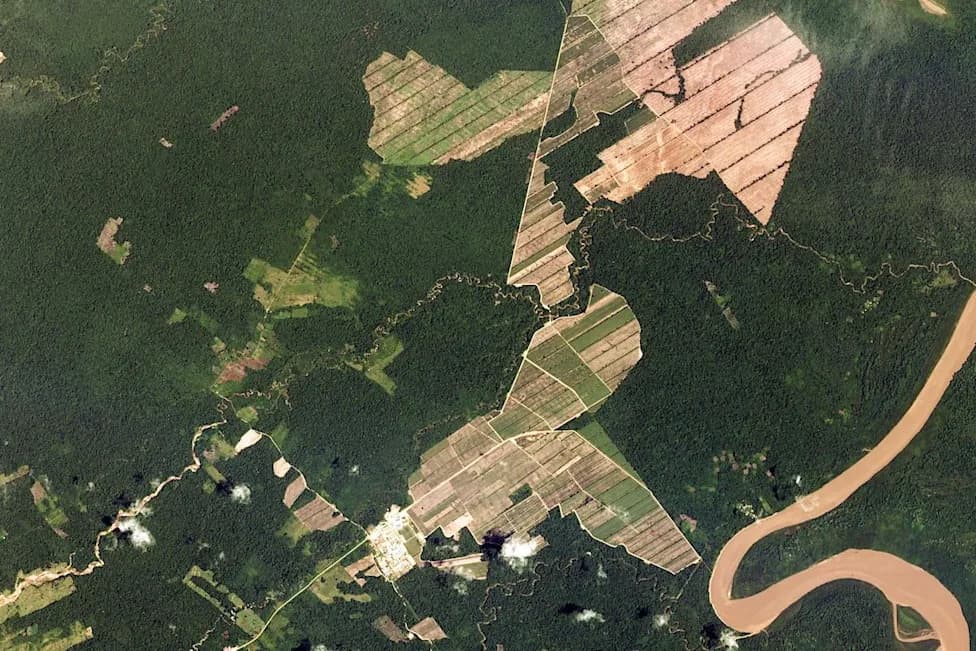
A satellite image of forest cleared to grow sugarcane in Bolivia. Planet Labs
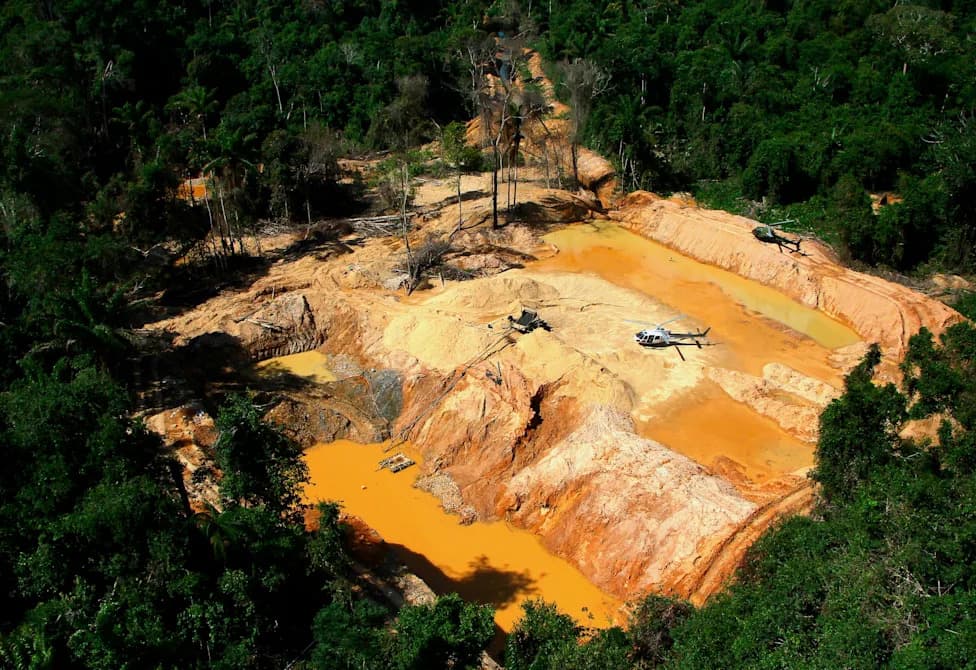
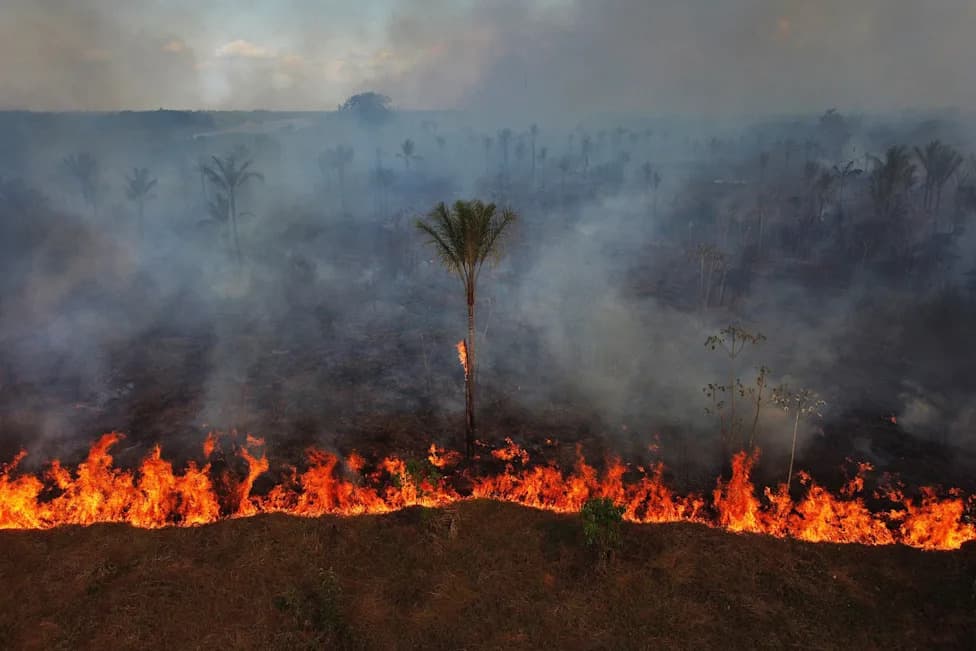
As Brazil tightens enforcement against illegal forest clearing, farmers, ranchers and investors are shifting operations across the border to Bolivia, where land is cheaper and oversight is weaker. The move is contributing to a sharp acceleration of deforestation in Bolivia even as Brazil records historic declines.
What's Driving the Shift
Economic pressures in Bolivia — including high inflation, falling revenues from natural gas, and political unrest — have pushed the government and private actors to lean on soy and other commodity crops for growth, Bloomberg reports. That dynamic, combined with inexpensive land and limited regulation, has expanded agriculture into previously intact forests.
Data and Impact
Analysis from MapBiomas shows the area of original vegetation lost annually in Bolivia nearly doubled from under 900,000 acres in 2022 to almost 1.8 million acres in 2024, a record high. One estimate cited in reporting finds that producing one ton of soy in Bolivia is associated with roughly seven times more deforestation than producing the same ton in Brazil.
Policy and Enforcement Contrast
Brazil has stepped up monitoring and enforcement under President Luiz Inácio Lula da Silva, who returned to office in 2023, and is on track for its lowest annual deforestation since 1988. Brazil has announced a target of net-zero deforestation by 2030. By contrast, Bolivian economist Stasiek Czaplicki characterizes Bolivia as still "in the first stages" of developing conservation policy, with relatively few constraints on clearing.
Other Factors
Investors and absentee landowners buying cheap plots in Bolivia are accelerating conversion of intact ecosystems into farmland and pastures. The cross-border shift underscores the need for coordinated regional policies and supply-chain transparency if efforts to curb Amazon deforestation are to succeed.
Bottom line: Reductions in Brazil are important, but without broader regional cooperation and incentives to protect forests, deforestation pressure may simply migrate to neighboring countries like Bolivia.
Help us improve.