Louisiana officials are working to prevent costs tied to Meta’s proposed Hyperion data center from being passed to household electric bills. Leaders are considering options such as bespoke tariffs, project-specific contracts, minimum-use commitments and tighter regulatory review to ensure large customers shoulder their share of grid upgrades. The debate highlights broader concerns—energy and water demand, reliability and cybersecurity—and could set a model for other states grappling with AI-driven power needs.
Louisiana Officials Clash Over Who Should Foot the Bill for Meta’s Hyperion Data Center
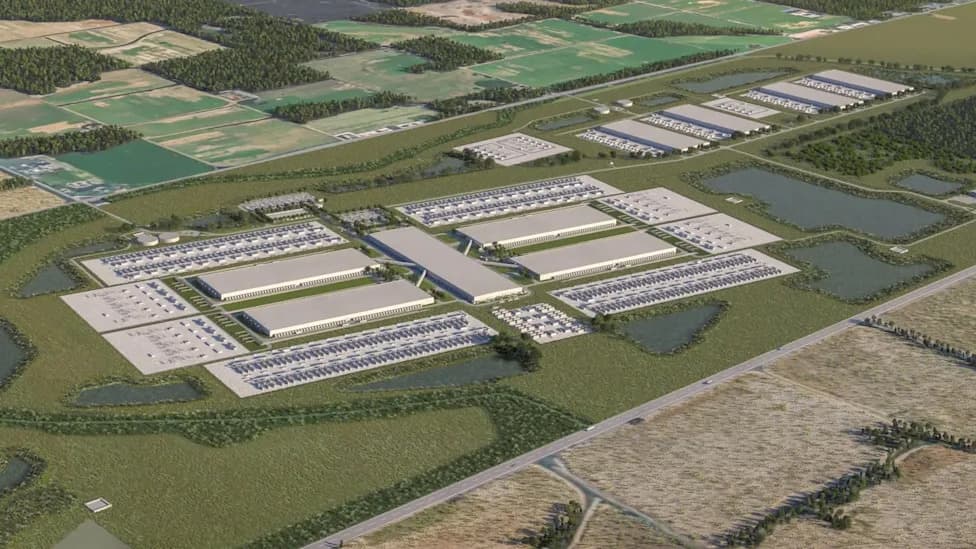
Photo Credit: Meta
Louisiana officials are debating who should cover the grid upgrades tied to Meta’s proposed Hyperion data center, after reporting from The Shreveport-Bossier Advocate revealed concerns about how the project’s large electricity needs would be paid for if it moves forward.
Protecting Households From New Costs
At the center of the dispute is a shared goal: prevent new power costs from being shifted onto residential customers. Supporters argue the data center would deliver substantial economic benefits to the region, but leaders disagree on which rate designs or regulatory tools best protect families and small businesses from bearing the expense of added generation, transmission and other grid improvements.
Options Under Consideration
State officials are weighing several approaches to isolate the project’s power-related costs from household bills, including:
- Special Tariffs: Customized rate plans that charge the large customer directly for its incremental costs.
- Project-Specific Contracts: Agreements that allocate responsibility for specific infrastructure investments to the company, rather than spreading costs across all ratepayers.
- Minimum-Use Commitments: Contracts requiring the customer to meet a baseline demand to avoid leaving utilities and other customers holding unexpected costs if the load doesn’t materialize.
- Stricter Regulatory Review: Closer oversight of generation and transmission buildouts tied to the project so regulators can judge whether investments are necessary and costs are fairly assigned.
Broader Stakes: AI, Reliability, Water Use and Cybersecurity
The debate highlights a larger trend: the growing link between artificial intelligence and the electric grid. Utilities can use AI to forecast demand and better integrate wind, solar and battery storage. But the infrastructure that supports AI—especially massive data centers—can consume huge amounts of electricity and water, strain reliability, and raise cybersecurity concerns.
For many Louisiana families, utility bills already consume a significant portion of household budgets. In areas where extreme heat drives up summer usage, even modest cost transfers could have long-term effects on monthly bills. Local residents and leaders say they want clear assurances that people who never chose to use AI-driven services will not be forced to pay for the technology’s expansion.
Potential Precedent
Whichever approach Louisiana adopts could serve as a template for other states facing the rising electricity demands of AI and large-scale data centers. Policymakers across the country are watching how regulators balance economic development with protecting residential ratepayers as data center growth accelerates.
Bottom line: Officials are searching for policy and contractual tools that allow the state to benefit from major tech investments while ensuring households aren’t left footing the bill for utility upgrades they didn’t cause.
Help us improve.