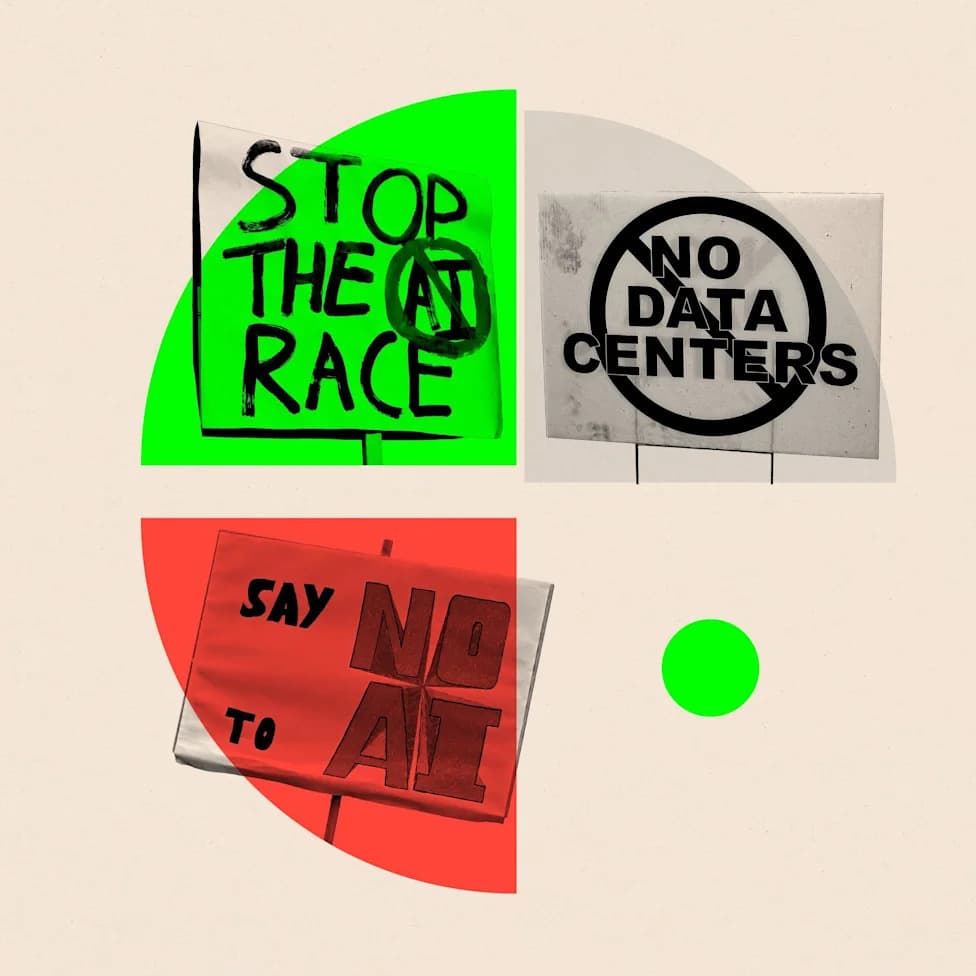
Residents of Boxtown and South Memphis say a SpaceXAI-linked data center is worsening air and noise pollution and straining local water resources in a historically Black neighborhood. Activists allege turbines were installed without proper permits and that the facility pumps 1.2 million gallons of groundwater daily; SpaceXAI disputes the pollution claims and says emissions meet EPA standards. Legal challenges (including an NAACP suit) and community organizing continue as more data centers are built nearby.
Memphis Neighborhood Battles AI Data Center Over Air, Water and Noise Concerns
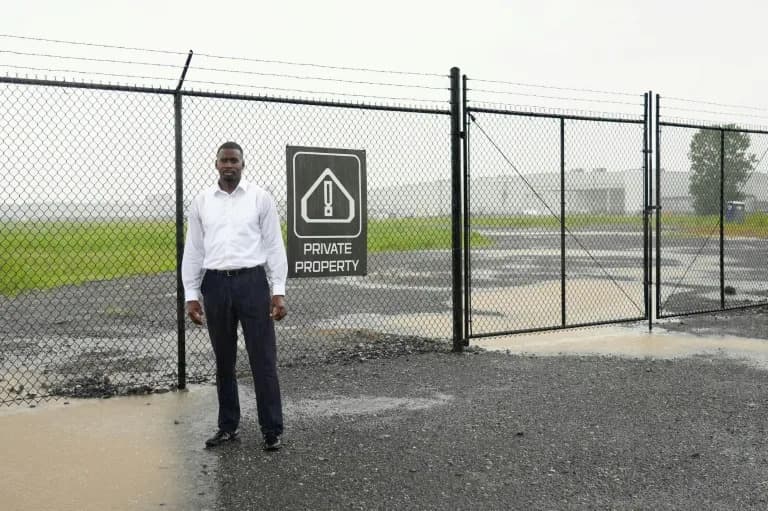
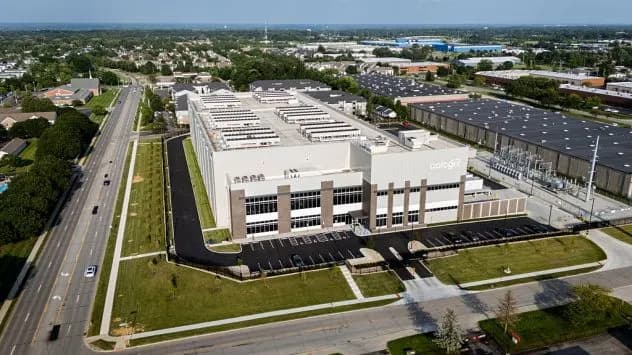
KeShaun Pearson, co-founder of Memphis Community Against Pollution stands in front of SpaceXAI's data center Colossus I, in Memphis, Tennessee, built hastily to meet the skyrocketing demand for computing power (Archana THIYAGARAJAN)
The stench of rotten eggs, the constant drone of turbines and fears about long-term health impacts have thrust Boxtown — a predominantly Black neighborhood in South Memphis — into the center of a national debate over the environmental cost of oversized AI data centers.
Local Residents Raise Alarm
Residents and community activists say gas turbines powering a nearby SpaceXAI-linked facility, known as Colossus I, are emitting pollutants, producing persistent noise and straining local water resources. Teen activist Jasmine Bernard, 17, has spent two years opposing the turbines that community members say degrade air quality and quality of life.
"This community of Boxtown and South Memphis as a whole historically just has been the subject of environmental neglect," Bernard told AFP. "It's deeply tied to the history... it's been a Black community for centuries."
How The Facility Operates
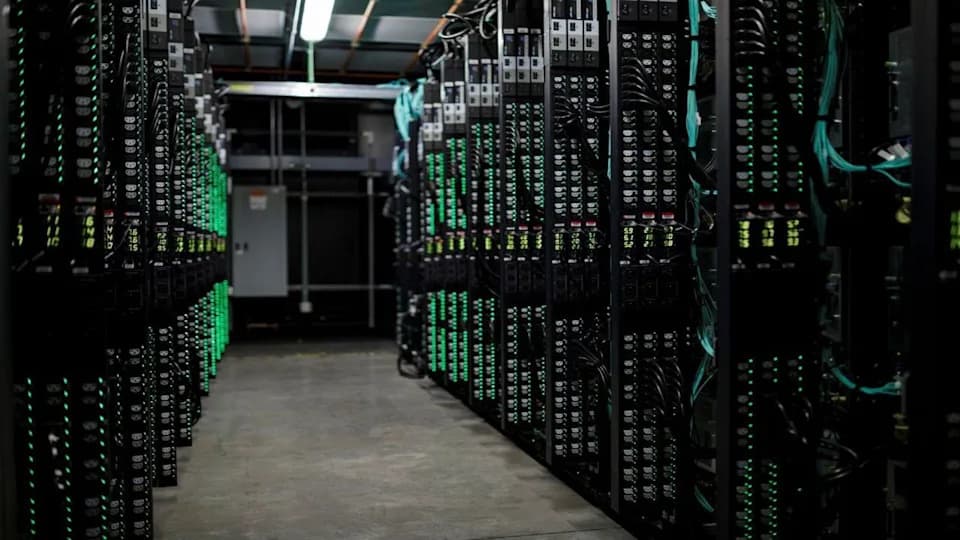
Colossus I was rapidly constructed in about four months and is now leased by Anthropic, reportedly for more than $1 billion a month. The site contains roughly 10 gas turbines and large warehouses filled with GPUs used to train AI models.
Advocates say the facility pumps about 1.2 million gallons (4.5 million liters) of groundwater daily from the aquifer that supplies Memphis for cooling. SpaceXAI had pledged to build a water-reuse system, but that project is currently suspended.
Noise, Health Risks And Legal Pushback
Beyond emissions, residents near a sister site in Southaven, Mississippi — Colossus II — complain of a continuous, jet-like drone from dozens of turbines that can cause nausea and disrupt daily life. Locals note an elevated cancer risk in the area compared with national averages, a statistic cited by community groups to illustrate long-standing environmental burdens.
Environmental and civil-rights organizations, including Earthjustice on behalf of the NAACP, allege that mobile turbines were installed without appropriate permits or public consultation, potentially sidestepping the Clean Air Act and other regulatory safeguards. Earthjustice attorney Laura Thoms says the company treated turbines as "temporary" to avoid some permitting requirements.
SpaceXAI responded that its mobile turbines are "equipped with advanced emission control technologies" and that current monitoring shows local air quality "continues to meet or exceed EPA standards." In late July the company said it would dismantle the temporary turbines and replace them with a code-compliant power plant, but opponents note the replacement deadline extends to July 2027.
Political And Legal Developments
Colossus I generated roughly $12 million in tax revenue in 2026. Memphis Mayor Paul Young announced plans to redirect $3.35 million of that revenue to communities affected by the facility. Meanwhile, in June the U.S. Department of Justice asked a court to dismiss the NAACP's complaint against SpaceXAI on national security grounds.
Residents and activists are organizing, pointing to a 2021 victory when they helped stop a proposed pipeline project. They hope similar community pressure will influence how current and future data centers are sited, powered and regulated.
What’s next: More facilities are being built or planned near Colossus II, and residents say they have not been informed how those sites will be powered. Legal challenges and advocacy campaigns are ongoing.
Help us improve.