Researchers at Duke Health are testing drones that launch with paramedics after a 911 call to deliver automated external defibrillators (AEDs) to cardiac arrest scenes. With more than 350,000 U.S. cardiac arrests annually and overall survival below 10%, minutes count: treatment within five minutes can boost survival to about 50%, and AED use within two to three minutes can reach 70%. The trial is underway in Forsyth County, NC, and James City County, VA, with results expected summer 2027.
High-Tech Drones Aim to Slash Cardiac Arrest Response Times by Delivering AEDs

High-tech drones aim to cut response times for cardiac arrest patients
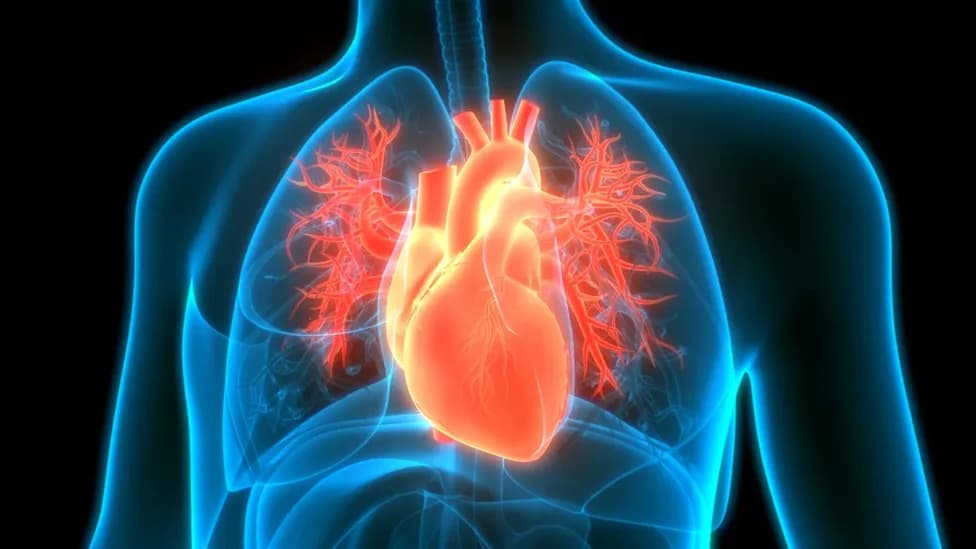
Each year in the United States more than 350,000 people suffer out-of-hospital cardiac arrest, and fewer than 10% survive. The critical barrier is time: when the heart stops, each minute without treatment reduces the chance of survival by roughly 10%, and overall survival rates have changed little despite decades of medical progress.
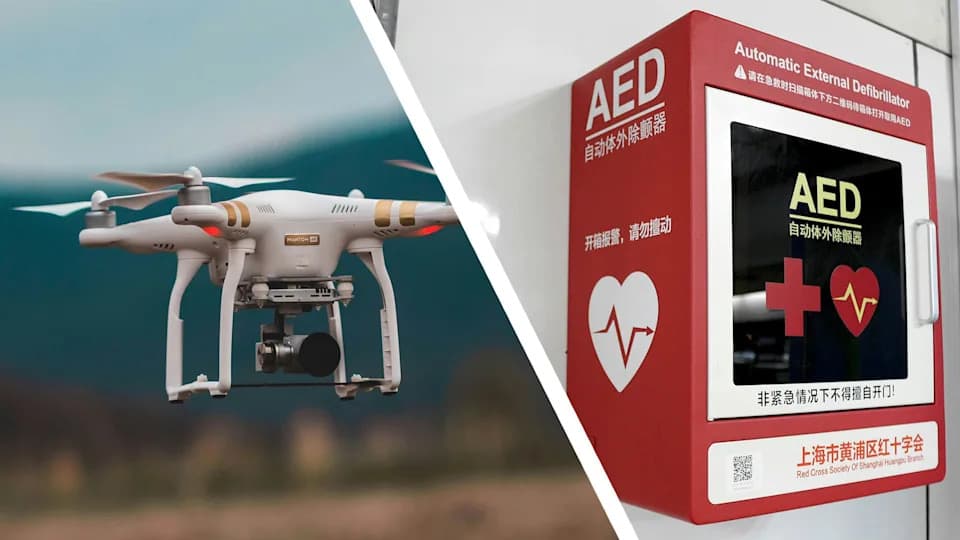
Drones, once mainly associated with military operations and entertainment, are being repurposed for emergency medical delivery in a first-of-its-kind trial.
What Researchers Are Testing
Researchers with Duke Health are evaluating whether unmanned aircraft can deliver automated external defibrillators (AEDs) faster than traditional emergency responders. The team hopes that getting AEDs into the hands of bystanders within minutes will substantially increase survival rates for people with shockable heart rhythms.
How The Drone System Works
When a 911 call reports a possible cardiac arrest, a drone launches at the same time as paramedics. According to investigators, the drone typically climbs to about 200 feet, descends to roughly 100 feet near the scene, and then lowers an AED to the ground by winch so a bystander can retrieve it.
"We've discovered that the first five minutes matter the most for survival," said Dr. Monique Starks of Duke University School of Medicine. "If we can get treatment within five minutes for a patient with a shockable arrhythmia, survival can be about 50%."
When a bystander applies an AED within two to three minutes, survival rates can approach 70%. By contrast, average ambulance response times typically run seven to 12 minutes in urban areas and can exceed 20 minutes in some rural communities.
As the AED reaches the ground, a 911 dispatcher walks a nearby bystander through the device’s use. Local officials praise the approach for potentially elevating bystander care.
"The AED drone overview is probably one of the greatest things since sliced bread. I say that because it's a whole nother level of patient care," said Forsyth County Sheriff Bobby Kimbrough Jr. "It's not a bird, not a plane, no, it's not Superman, but it's a drone delivering an AED saving lives."
Trial Details and Next Steps
The randomized trial is underway in Forsyth County, North Carolina, and James City County, Virginia. Investigators aim for the drones to deliver an AED in under five minutes to more than half of study-area cases. Results are expected in the summer of 2027. The American Heart Association is funding the project, and researchers say a successful trial could support broader deployment nationwide.
Why it matters: Faster AED access could substantially increase survival after out-of-hospital cardiac arrest by equipping bystanders to give immediate, lifesaving shocks and cardiopulmonary resuscitation until professional help arrives.
Help us improve.