The Wildlife Trusts is urgently raising £30 million to buy the 3,800-hectare Rothbury Estate in Northumberland and create a major biodiversity sanctuary. The charity has raised £20.6 million from over 20,000 donors but needs under £10 million by the end of September. Backed by Sir David Attenborough, plans include peatland restoration, tree planting, farmer partnerships and a proposed 65-kilometre wildlife corridor; local voices express both hope and concern about future land use.
Wildlife Trusts Races To Raise £30m To Save Historic Rothbury Estate
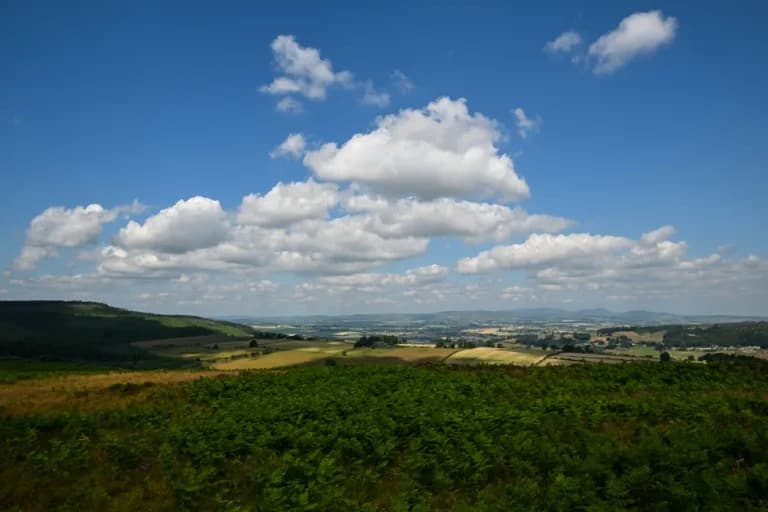
The UK's Wildlife Trusts needs to raise £30 mn to buy the estate (Andy BUCHANAN)
A leading UK conservation charity has launched an urgent crowdfunding drive to buy the 3,800-hectare Rothbury Estate in northern Northumberland — the largest land sale in England in three decades — with the aim of creating one of Britain’s biggest biodiversity sanctuaries.
The Wildlife Trusts says it needs to raise £30 million (about $40 million) to acquire the entire estate. So far the organisation has secured £20.6 million from more than 20,000 donors in just under two years, leaving just under £10 million to find by the end of September.
"This is a once-in-a-lifetime opportunity and we can't let this go," said Peter Batchelor, who is managing the acquisition plan for The Wildlife Trusts. Donations have ranged from small gifts of £5 to contributions of several million.
Historic Land, New Purpose
Part of the estate — including the well-known Simonside Hills — was purchased by the charity in late 2024. The remainder, owned by the Percy family (the Dukes of Northumberland) for almost eight centuries and previously used for grouse shooting until 2022, is now on the market.
Max Percy, the current duke's son, has said managing the estate from his home in southern England has become impractical and has given the charity a two-year window to raise the funds to buy the rest.
Conservation Vision And Community Concerns
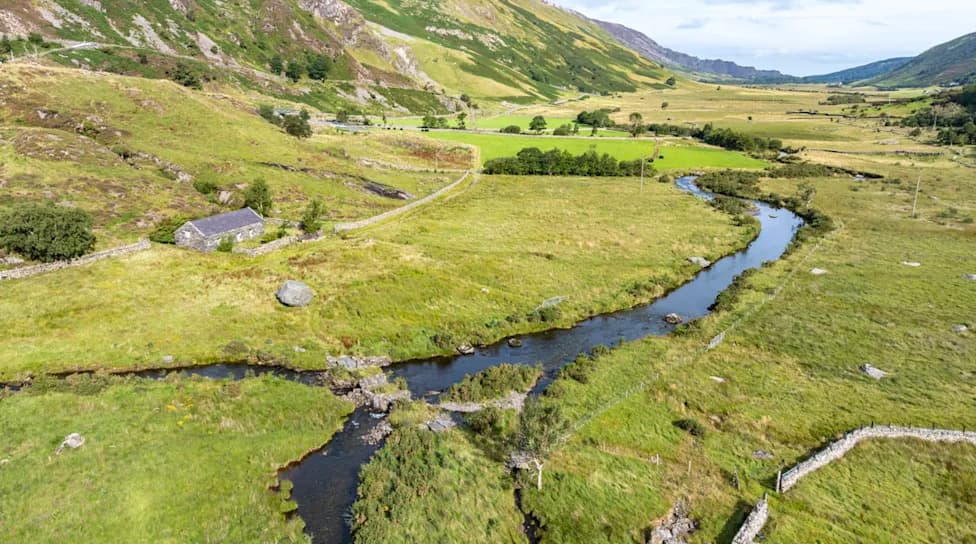
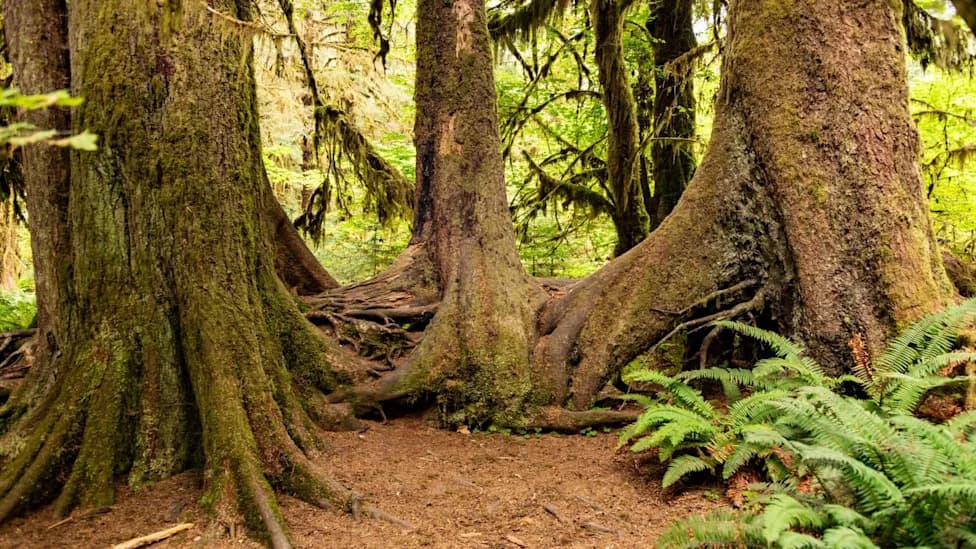
Conservationists imagine restored peatlands, new scrub and woodland, sustainable grazing, and a connected network of habitats. Duncan Hutt, a conservation specialist, described carpets of purple heather and green ferns and said the charity could restore peat, plant trees and manage pastures to boost biodiversity across an area roughly the size of central London.
The Wildlife Trusts and neighbouring site owners hope the estate will anchor a 65-kilometre biodiversity corridor stretching inland from the North Sea — a refuge for species in a country described by the State of Nature 2023 report as "one of the most nature-depleted countries on Earth." The report identifies intensive agricultural management as the primary driver of species decline.
"We were very concerned about who would buy it and what they would do with it,"
— Katy Nickolls, secretary of Rothbury's Women Institute, who has lived locally for 30 years.
Famed naturalist Sir David Attenborough made a video appeal supporting the campaign, which helped trigger a surge in donations that produced £1 million in a single week.
Wildlife, Heritage And Practical Plans
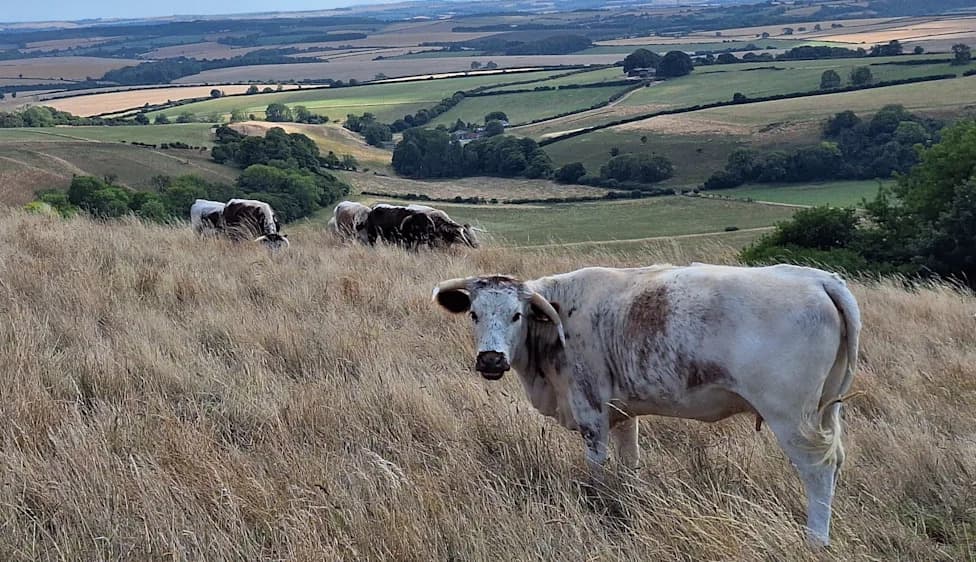
Wildlife already present includes skylarks, red squirrels, cuckoos, hares and a variety of butterflies. Conservationists say pine martens and golden eagles — already present in the wider region — could return, and introducing beavers could create wetland habitats that boost insect life and improve flood resilience.
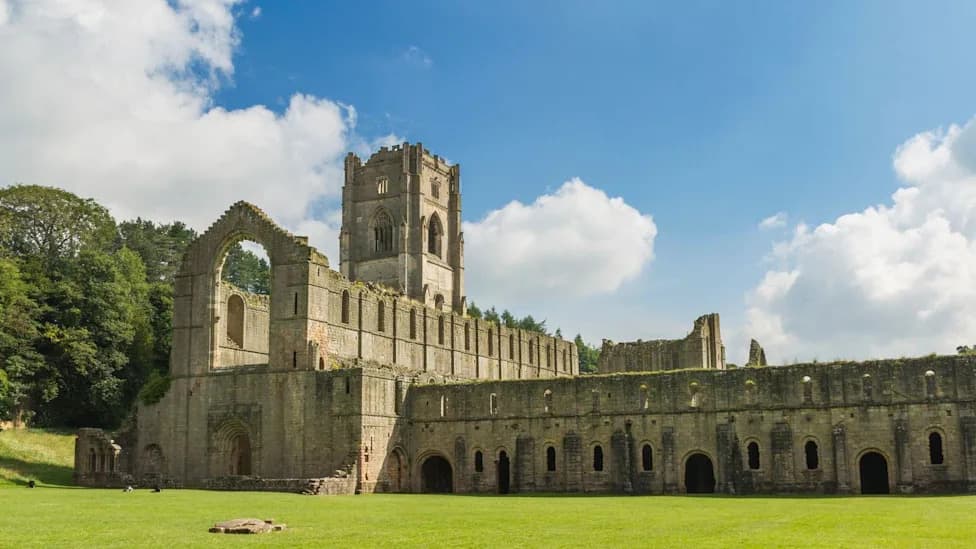
The estate also contains archaeological features, including valued Neolithic rock carvings. Its size and relative ecological integrity make it unusually important for England’s nature recovery efforts, according to Katy Barke, head of nature recovery at Northumberland Wildlife Trust.
Local reaction is mixed: some residents welcome the conservation plans, while others are nervous about changes in ownership. Rumours about reintroducing species such as bison have circulated; project leaders say any major reintroductions or land-use changes would follow public consultation.
The Wildlife Trusts plan to work with about a dozen mostly sheep farmers to encourage nature-friendly practices — including reduced pesticide and synthetic fertiliser use — and to involve local communities in stewardship. For recreation, the charity hopes to convert an old railway line across the estate into a combined cycle and walking trail.
If fundraising falls short, conservationists fear the land could be divided and sold to separate owners, increasing the risk of development or intensive commercial use that would fragment habitats.
How to help: The Wildlife Trusts has an active donations campaign; supporters can donate or learn more via the charity's website.
Help us improve.