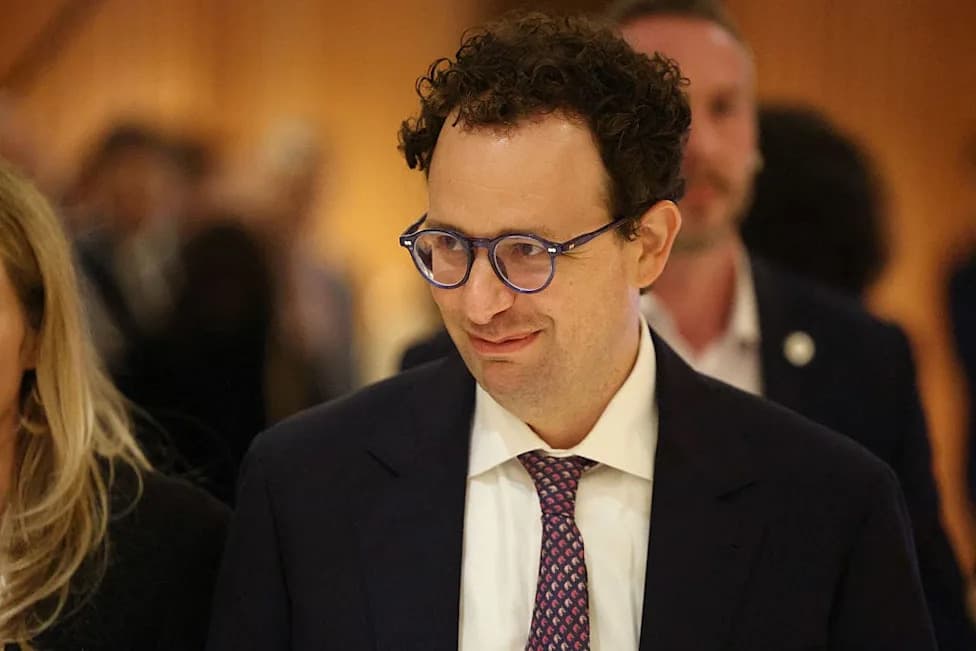
Sabrina Javellana, a former Florida city commissioner, says AI-generated deepfake pornography derailed her career and personal life after anonymous images of her were posted online. Advocates including Javellana and Paris Hilton are pushing the DEFIANCE Act, which would allow victims to sue creators and distributors of nonconsensual sexual deepfakes. Although the Senate cleared the bill unanimously, it is stalled in the House Judiciary Committee amid political resistance tied to its sponsor. Supporters call for faster takedowns, stronger platform accountability and both civil and preventive measures.
‘A Slap in the Face’: Deepfake Victim Condemns House Delay Of AOC’s DEFIANCE Act
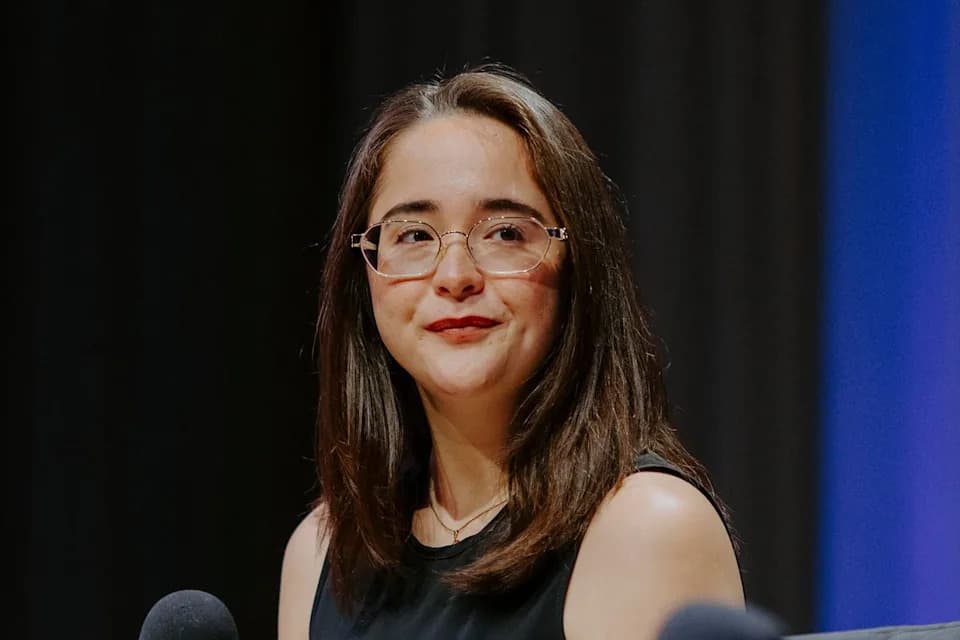
Sabrina Javellana was 23 and working in local politics when she fell victim to AI deepfake pornography in 2021. She said it turned her life 'upside down' (Sabrina Javellana/Getty)
Sabrina Javellana says AI-generated deepfake pornography upended her life and forced her out of public service. Now 28, the former Hallandale Beach city commissioner and other advocates are urging Congress to pass the DEFIANCE Act so victims can sue creators and distributors of nonconsensual sexually explicit deepfakes.
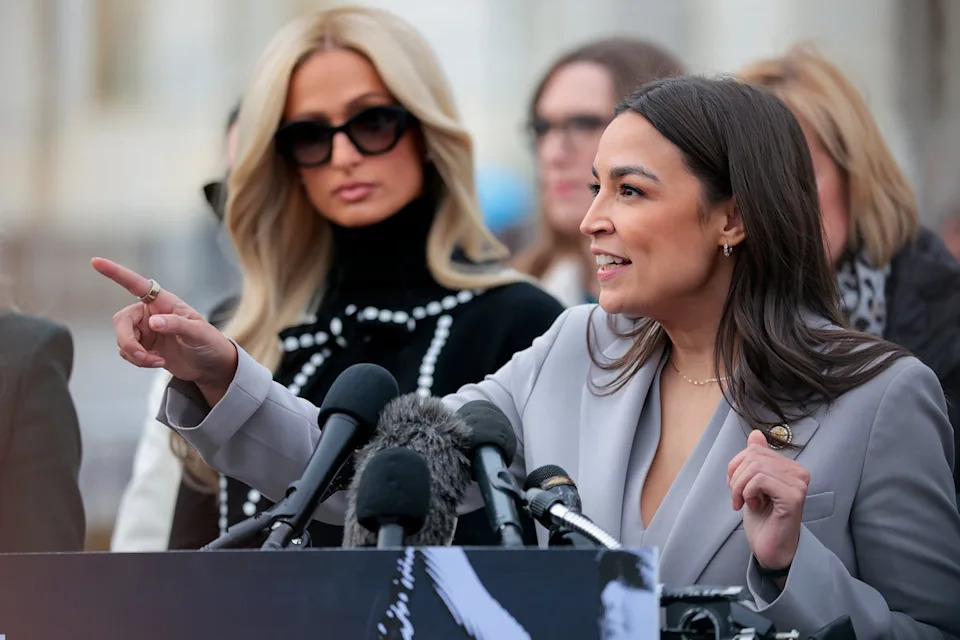
Paris Hilton told The Independent: 'Every day the DEFIANCE Act isn't put on the calendar in the House, more women and girls become victims without a meaningful path to justice' (Getty Images)
How It Began
Sitting in her car before work, Javellana frantically scrolled through a link that led to dozens of images of her posted on 4chan. One image stopped her cold: a high-school selfie in which the perpetrators had digitally removed her clothing using AI, producing a hyper‑realistic fake.
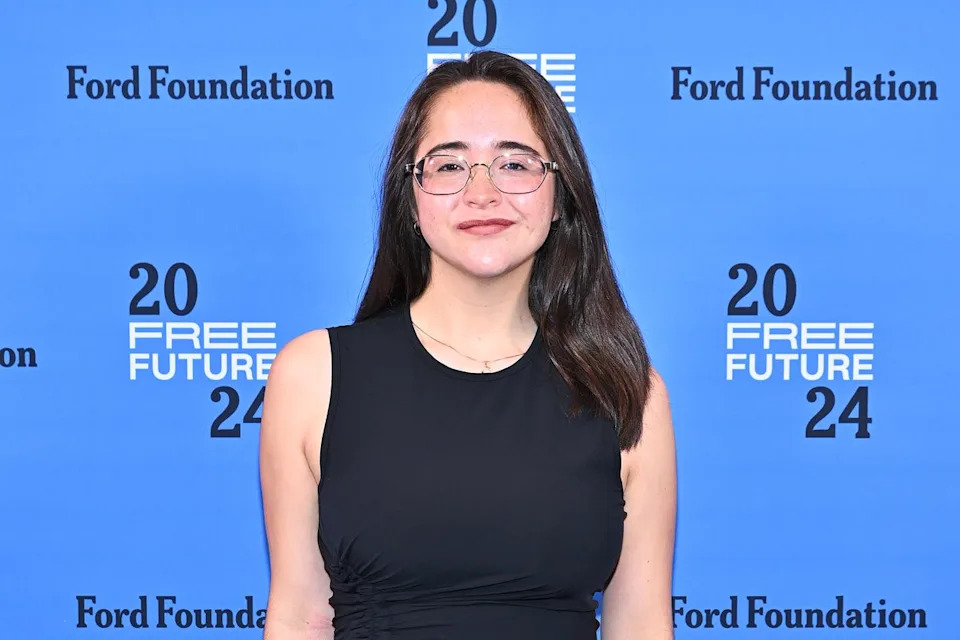
Javellana suffered in silence for a year, not wanting to tell her family or friends about the images. After speaking out, she has joined advocates like Paris Hilton to call for legislation to stop AI deepfake pornography (Getty Images for The Ford Founda)
"It was the same exact photo, except they used this AI-generated technology to remove my clothes, and it looked hyper-realistic. From that day on, my world turned upside down," Javellana recalled.
The Legal Fight
Federal momentum has grown in recent years: Congress passed the TAKE IT DOWN Act, which requires platforms to remove authentic and AI-generated sexual images posted without consent within 48 hours of a complaint. The DEFIANCE Act, sponsored in the House by Rep. Alexandria Ocasio-Cortez and co-sponsored by Republican Rep. Laurel Lee, would add a civil remedy allowing survivors to sue creators, distributors and solicitors of nonconsensual deepfake pornography.
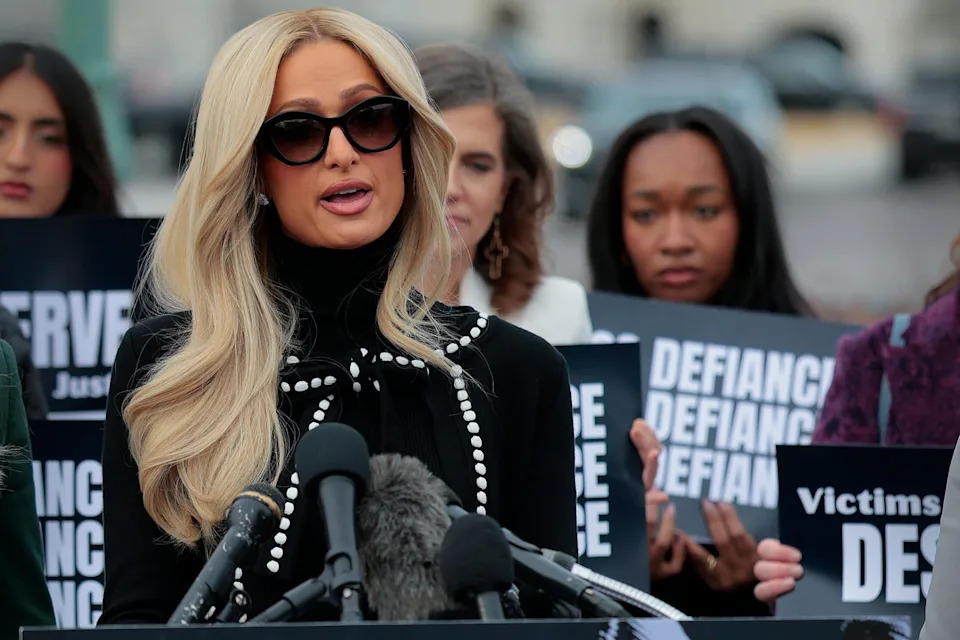
Hilton has hit out at Republican leadership for stalling on the bill. 'Representative Jim Jordan and House leadership have an opportunity to protect millions and send a clear message that people who knowingly create or distribute nonconsensual explicit deepfakes to cause harm will be held accountable,' she said (Getty Images)
The Senate cleared the DEFIANCE Act by unanimous consent in January, but the measure is stalled in the House Judiciary Committee as the legislative calendar tightens.
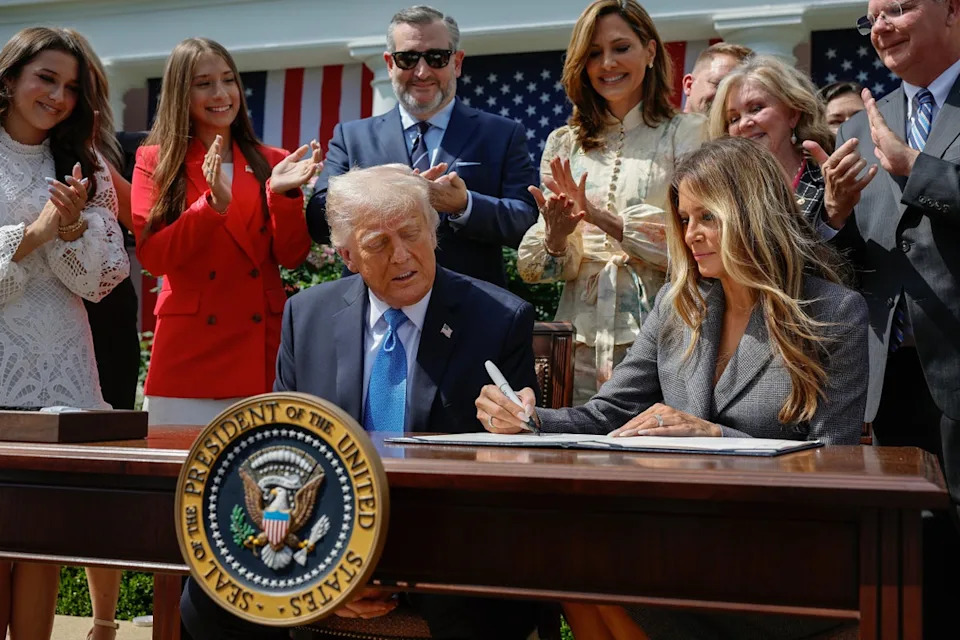
First lady Melania Trump supported the TAKE IT DOWN Act last year, which prohibits the publication of authentic and AI-generated sexual images published without a person's consent, and requires online platforms to remove them within 48 hours of a complaint (Getty Images)
Politics, Platform Responsibility, And Pushback
Advocates say political calculations have slowed the bill’s progress. Some GOP lawmakers reportedly hesitate to advance the DEFIANCE Act because Rep. Ocasio-Cortez is a sponsor close to midterm elections—a reason Javellana and others call "petty." Paris Hilton, who has publicly campaigned on the issue, said the delay leaves more victims without a path to justice.
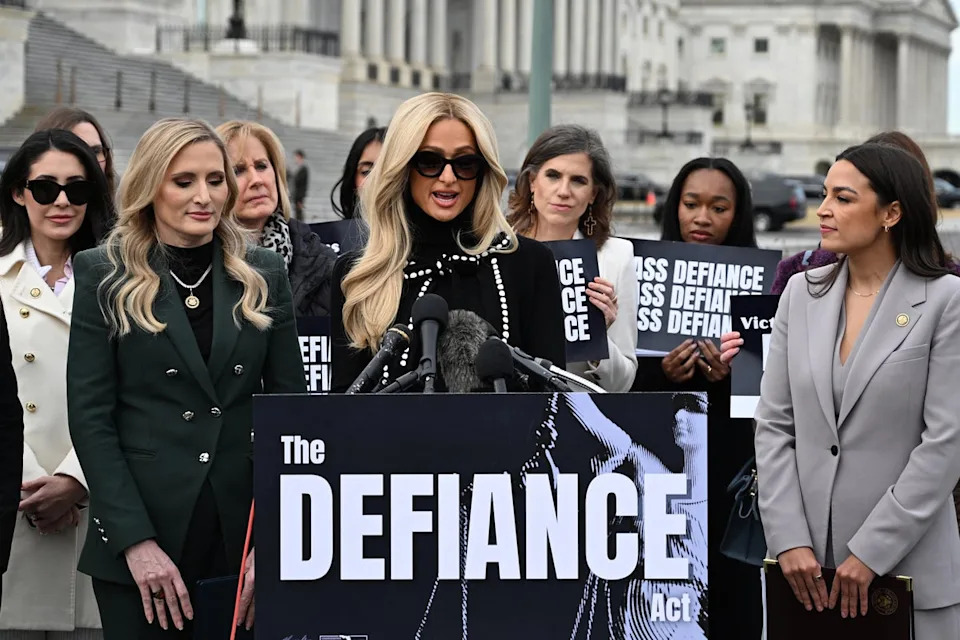
The DEFIANCE Act is flailing in the House and time is running out to pass it. Javellana is calling on lawmakers to get it done (AFP via Getty Images)
Questions also remain about how technology companies will respond. OpenAI CEO Sam Altman told reporters he was unfamiliar with the DEFIANCE Act while in Washington; separately, xAI has sued Minnesota over efforts to restrict so-called "nudification" apps. Advocates argue platforms should be held more accountable for removal and moderation practices.
Personal And Policy Consequences
Javellana said the deepfake campaign included repeated images and vile anonymous comments, and that the harassment made it unsafe for her to continue in public office. She completed a four-year term but did not seek re-election. After a year of silence, she joined lawmakers and survivors in urging stronger legal protections; her testimony helped push Florida to pass a 2022 law, sponsored by state senator Lauren Book, criminalizing the creation of sexually explicit deepfakes without consent.
"I felt fear for my family, my home. It impacted my stress, my health, everything. It crushed me to step away, but I had to for my sanity, for my survival, for my health, for my safety," Javellana said.
Broader Concern
Analysts estimate the number of deepfakes surged from roughly 500,000 in 2023 to about 8 million in 2025, and advocates say around 99 percent of known nonconsensual explicit deepfakes target women. Public figures including Paris Hilton and the Duke and Duchess of Sussex have urged action; supporters across the political spectrum — from House Speaker Mike Johnson to progressive members — have backed the bill, but it has yet to reach a committee vote.
What Advocates Want Next
Survivors and advocates say the DEFIANCE Act is an important step because it provides civil remedies, but not a final solution. They call for stronger platform accountability, faster takedowns, clearer enforcement, and preventative policies that address how AI tools are distributed and monetized.
If you need support, call the RAINN National Sexual Assault Hotline at 800-656-HOPE (4673) or visit rainn.org.
Help us improve.