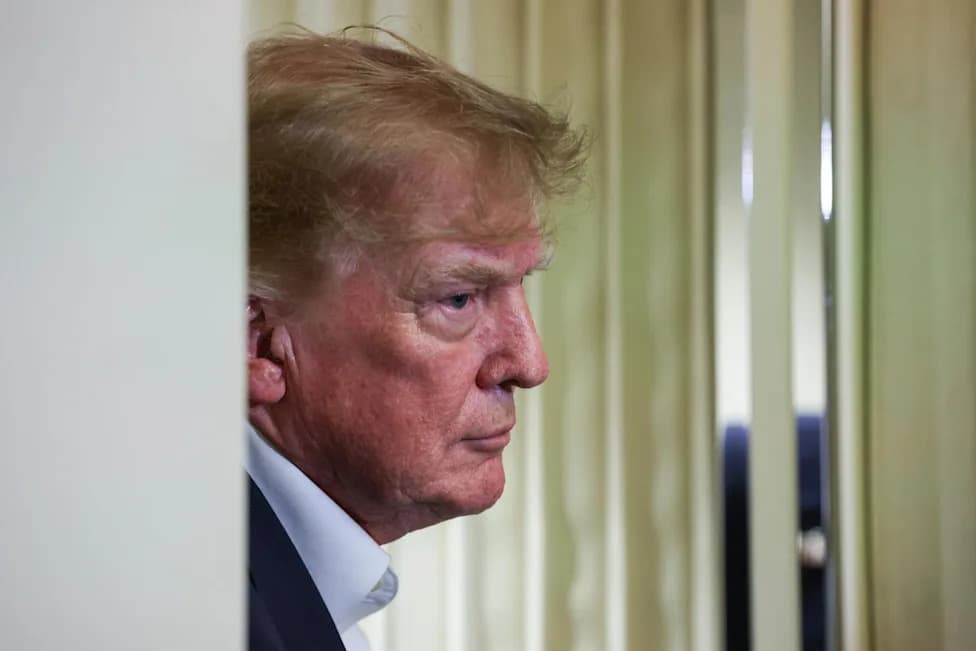
President Trump’s executive order, "Prioritizing the Warfighter in Defense Contracting," bars contractors that miss contract goals from paying dividends or buying back shares until performance improves. Major firms largely complied, pausing buybacks, but Northrop Grumman raised its dividend despite reported production and integration problems on the F-35 program. In June, a bipartisan Senate committee advanced legislation to convert the executive order into law, reflecting growing frustration with contractors that prioritize shareholder payouts over timely, mission-capable delivery.
Trump Presses Defense Contractors: New Rules Target Dividends, Buybacks and Performance
AP
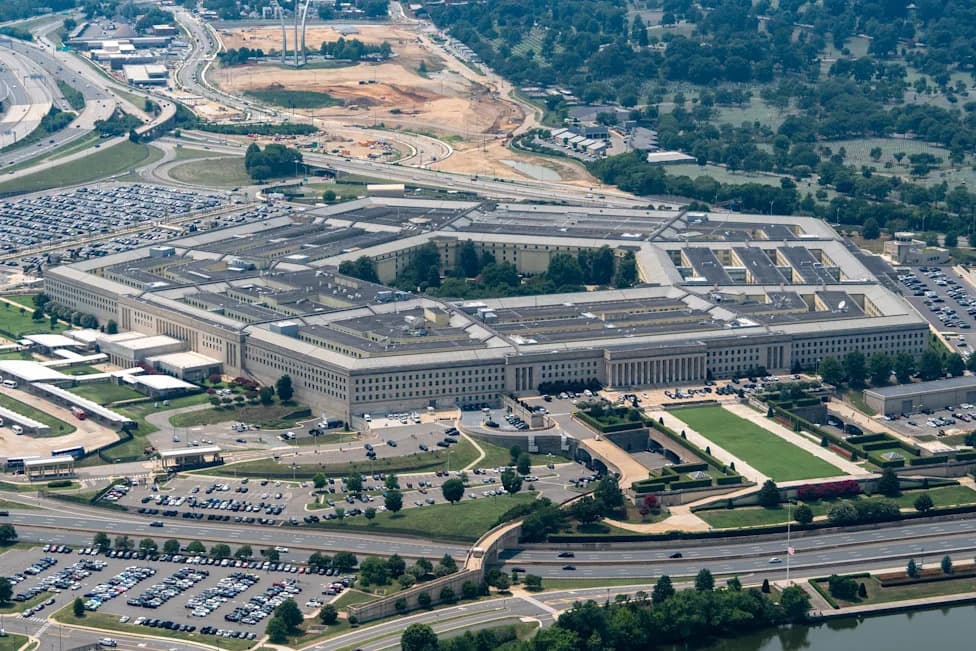
Planet Earth is as perilous as at any time since World War II, with rival powers increasingly convinced that the Pax Americana is eroding. China’s expanding military posture, Russia’s invasion of Ukraine, Turkey’s regional ambitions and Iran’s aggressive behavior have all contributed to a riskier global environment. In that context, U.S. military superiority—especially air dominance—remains a critical deterrent.
In January, President Trump signed an executive order titled "Prioritizing the Warfighter in Defense Contracting," designed to curb profiteering by defense firms that underperform on government contracts. The order prohibits companies that miss contract goals from using cash to pay dividends or repurchase shares until they meet performance requirements.
"Although some contractors have made critical investments in increased production capacity and been responsive to our Nation's vital interests, far more have not. Many large contractors — while underperforming on existing contracts — pursue newer, more lucrative contracts, stock buy-backs, and excessive dividends to shareholders at the cost of production capacity, innovation, and on-time delivery."
In early March, White House officials met with executives from Lockheed Martin, RTX (Raytheon’s parent), BAE Systems, Boeing, Honeywell Aerospace, L3Harris and Northrop Grumman to underscore how seriously the administration views the order. The approach leverages financial pressure as a tool to compel better performance — a lever that corporate shareholders tend to notice.
Industry Reaction
Most large contractors appear to have responded. RTX and Lockheed Martin paused share buybacks, and Boeing has not repurchased shares or paid a dividend since 2020. These moves suggest the executive order is altering corporate behavior.
Northrop Grumman Pushes Back
One notable outlier is Northrop Grumman. On May 19, the Falls Church, Virginia–based company announced a nearly 7% increase in its quarterly dividend, following an earlier double-digit increase. The dividend rise occurred while Northrop’s stock was well below earlier peaks and below historical averages. Northrop’s CEO, Kathy Warden, is among the highest-paid executives in the sector, with reported total compensation in the tens of millions of dollars; roughly 87% of the company’s revenue is tied to government contracts, making taxpayers the company’s principal customer.
Taxpayers have reason to expect that defense contractors prioritize mission-capable deliveries. Northrop has faced criticism for problems tied to F-35 production—particularly issues around subsystem integration and delivery delays—which have complicated the larger F-35 program and contributed to higher costs on what is projected to be a multitrillion-dollar program.
Rather than focusing solely on systems delivery, Northrop also ran a broad public advertising campaign to shape opinion. While most defense marketing is narrowly targeted to defense audiences, reports say Northrop bought national airtime, including a spot during a high-profile World Cup match, drawing criticism that such spending aimed to blunt taxpayer scrutiny.
Congressional Response
There is growing bipartisan impatience in Congress. In June, the Senate Armed Services Committee approved legislation that would codify the executive order into law. Observers suggested Northrop may have accelerated dividend payments in advance of possible statutory limits. Whether by executive order or legislation, lawmakers appear intent on ensuring contractors prioritize delivery and capacity over shareholder payouts.
Bottom line: As global threats increase, Washington is moving to hold the defense-industrial base more accountable. The policy push aims to ensure taxpayer-funded firms deliver mission-capable equipment on time rather than prioritizing dividends, buybacks and public-relations spending.
Help us improve.