Paris now requires e‑scooter, Segway and hoverboard riders on public roads to wear an approved helmet and high‑visibility or retro‑reflective clothing after a rise in injuries and deaths. Violations carry a €135 fine for a missing helmet and €35 for missing reflective gear; excessive speeds can carry penalties up to €1,500. The mandate covers Paris and the inner‑ring departments of Hauts‑de‑Seine, Seine‑Saint‑Denis and Val‑de‑Marne, while pedal‑assist e‑bikes remain exempt. Critics note vests improve visibility but do not replace protected lanes, slower traffic or safer intersection design.
Paris Makes Helmets and High‑Vis Vests Mandatory for E‑Scooters — Fines Apply
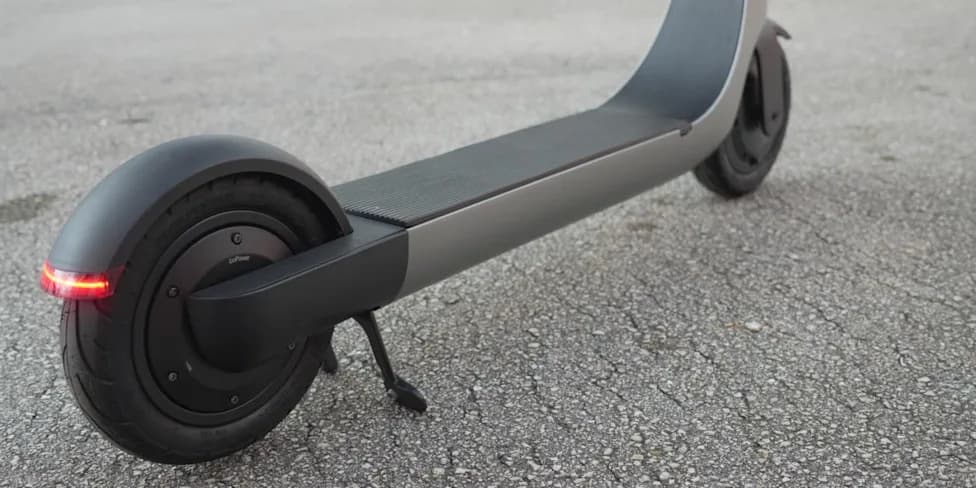
Image: electrek
Paris has moved from recommendations to strict requirements for e-scooter riders after a sharp rise in injuries and deaths. French road-safety authorities reported 79 e-scooter fatalities nationwide last year (up from 45 the year before), and BBC reporting that cited official figures says roughly 1,100 riders were injured in Paris — about a 33% year‑on‑year increase. In response, the Paris Préfecture de Police now requires all motorized personal mobility device riders on public roads to wear an approved helmet and high‑visibility or retro‑reflective clothing.
What the Rule Requires
Mandatory gear: An approved helmet and high‑visibility or retro‑reflective clothing while riding on public roads.
Fines: €135 for failing to wear an approved helmet and an additional €35 for missing the required high‑vis or reflective gear. Separate penalties remain for dangerous driving: excessive speed can trigger fines up to €1,500 under existing French law.
Scope and Exceptions
The new mandate applies to e-scooters, Segways and hoverboards — essentially any device classified under French law as a "motorized personal mobility device." Standard pedal‑assist e‑bikes are explicitly exempt and remain governed by bicycle regulations. The geographic reach covers Paris proper and the inner‑ring departments of Hauts‑de‑Seine, Seine‑Saint‑Denis and Val‑de‑Marne.
Existing Rules That Still Apply
Other micromobility rules remain in force: sidewalk riding is prohibited, maximum speed is capped at 25 km/h, riders must be at least 14 years old, and carrying passengers is banned.
Why the rule matters — and its limits: High‑visibility vests and helmets improve riders' visibility and can reduce some types of crashes, but they don't create protected lanes or slow down motor traffic. Critics say mandating protective clothing is sensible but not a substitute for safer intersections, lower car speeds, better infrastructure and vehicle design changes that address root causes.
Compliance is inexpensive: a decent reflective vest can be bought for under €10, making the fine for not wearing one greater than the cost of the garment in many cases. Paris' move signals a more forceful approach to micromobility safety that other European cities are likely to watch closely.
Practical takeaway: If you ride an e‑scooter anywhere in the Paris region, carry a compliant helmet and reflective gear on every trip — the rules are clear and enforcement fines are defined.
Source: BBC reporting, figures cited from French road-safety officials; rules announced by the Paris Préfecture de Police.
Help us improve.