Spain has suspended all military leave in Ceuta after some 72,000 people entered the enclave on 30 July and at least 80 died. The pause in leave follows reports that online groups were planning a new attempt on 15 August and a defence directive ordering leave cancelled except in exceptional cases. Diplomatic tensions with Italy have escalated, with reciprocal passport checks, while EU officials have summoned Meta and TikTok to disrupt online smuggling channels.
Spain Suspends All Military Leave in Ceuta as Authorities Brace for New Migrant Surge
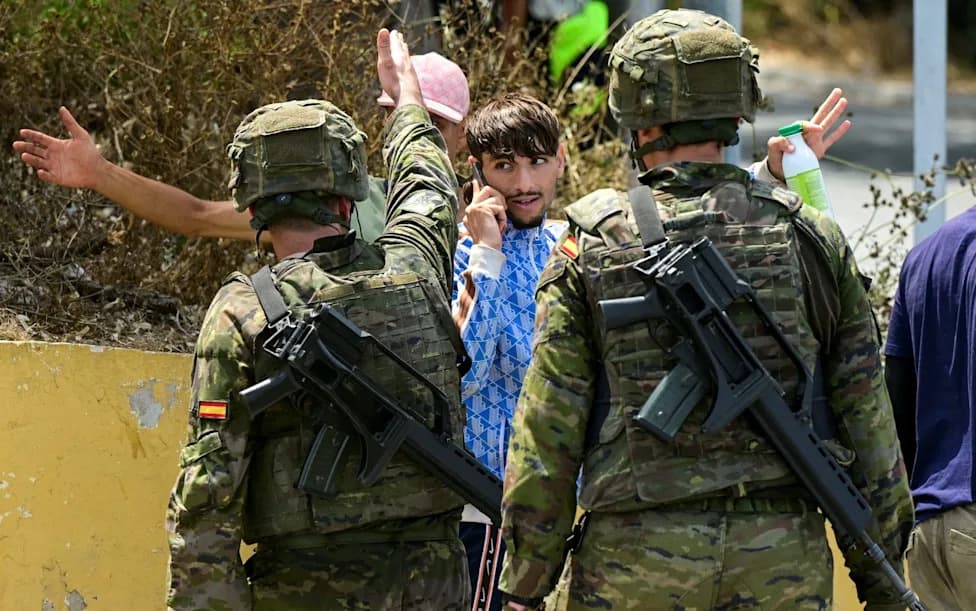
Spanish soldiers question migrants following mass crossings from Morocco - Fabian Bimmer/REUTERS
Spain has suspended all leave for military personnel stationed in the North African exclave of Ceuta as authorities prepare for a possible renewed attempt to cross into the territory.
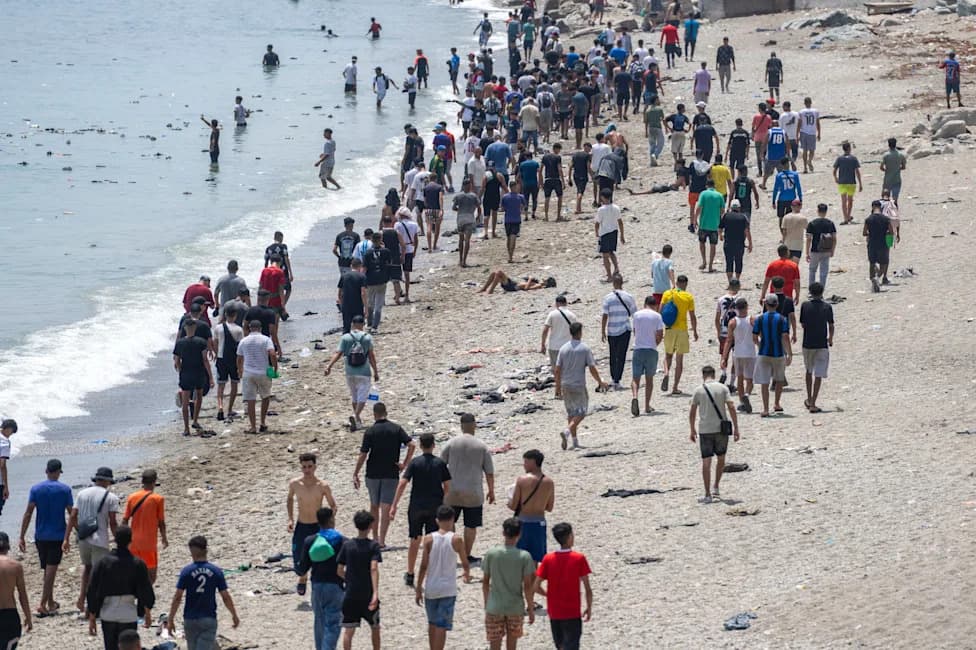
On 30 July, an estimated 72,000 people entered Ceuta from Morocco in a mass movement that left at least 80 people dead while attempting to cross Europe’s only land border with Africa. In response to intelligence suggesting online groups were organising another large attempt on 15 August, Madrid issued a directive cancelling all leave for troops deployed in Ceuta "until further notice," except in "exceptional duly justified cases." A defence ministry spokesman confirmed the suspension to The Telegraph.
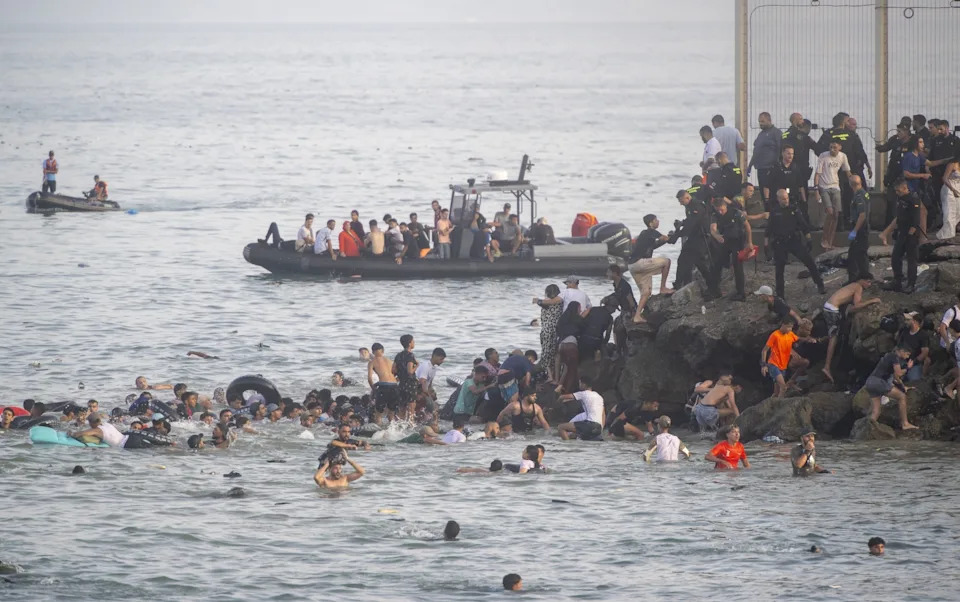
Thousands of migrants attempted to swim from Morocco to Ceuta at the end of July - Anadolu/Getty Images
What The Military Order Says
Cadena Ser reported it had seen a defence ministry memo addressed to the Ceuta general command titled "cancellation of leave." The document cited "service requirements necessitating an increase in the activities deployed in Ceuta" and ordered the withdrawal of time off to ensure forces remain available during the migration crisis.
Diplomatic Fallout With Italy
The crisis has strained relations between Spain and Italy. Over the weekend, EU-mediated talks failed to resolve a dispute that has increasingly been framed as an ideological clash between Spain's left-leaning government and Italy's right-leaning administration. Rome introduced border checks linked to the Ceuta situation, and Madrid responded by imposing passport controls on arrivals from Italy at Spanish ports and airports.
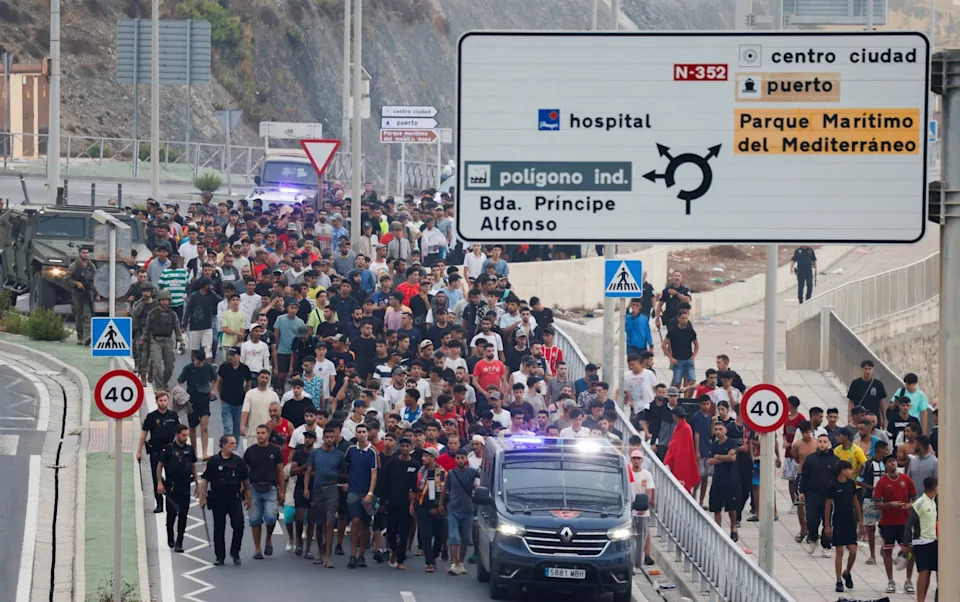
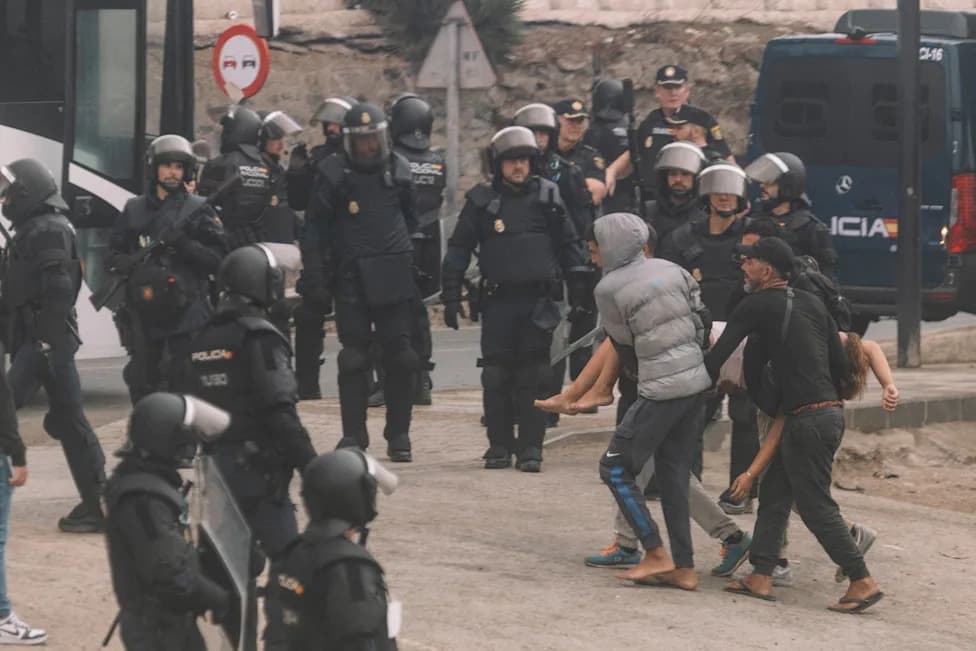
Spanish soldiers escort a group of migrants to the border - Jon Nazca/REUTERS
European migration commissioner Magnus Brunner sought to mediate but was unable to secure a compromise. Italian officials indicated they would not lift controls on arrivals from Spain before 15 August at the earliest. Meanwhile, Italian Prime Minister Giorgia Meloni and Danish leader Mette Frederiksen published a joint statement backing the creation of "return hubs in third countries" to repatriate failed asylum seekers—a proposal that has faced legal and practical obstacles in practice.
Online Networks And Platform Responses
The European Commission and member states are also targeting the online channels alleged to have been used by people-smuggling networks to coordinate the Ceuta crossing. Politico reported that EU officials summoned representatives from Meta and TikTok to discuss how to disrupt those networks. According to an EU participant, platforms identified a combination of smugglers offering illegal routes and fake documents.
Meta said it has a team monitoring the situation and removes content that "offers to provide, facilitate or seek human smuggling services." TikTok said it set up a dedicated task force, is using advanced technology to counter exploitative schemes, and is directing users to verified information sources when they search for related terms.
Context: The developments come amid heightened seasonal travel in the EU, raising concerns about border management, migrant protection and the political tensions such incidents can inflame across member states.
Help us improve.