Australian researchers who revisited a landmark 1996 analysis find that modern Barbie and Ken dolls display body proportions that are markedly closer to those of real young adults. The team measured multiple body sites and calculated ratios such as waist-to-hip and chest-to-waist; Curvy Barbie most closely matched average female measures while the newest Ken models also moved toward realism. Authors say increased body diversity in toys may help reduce the impact of unrealistic body ideals on children.
Modern Barbie and Ken Are Becoming More Realistic, Australian Study Finds
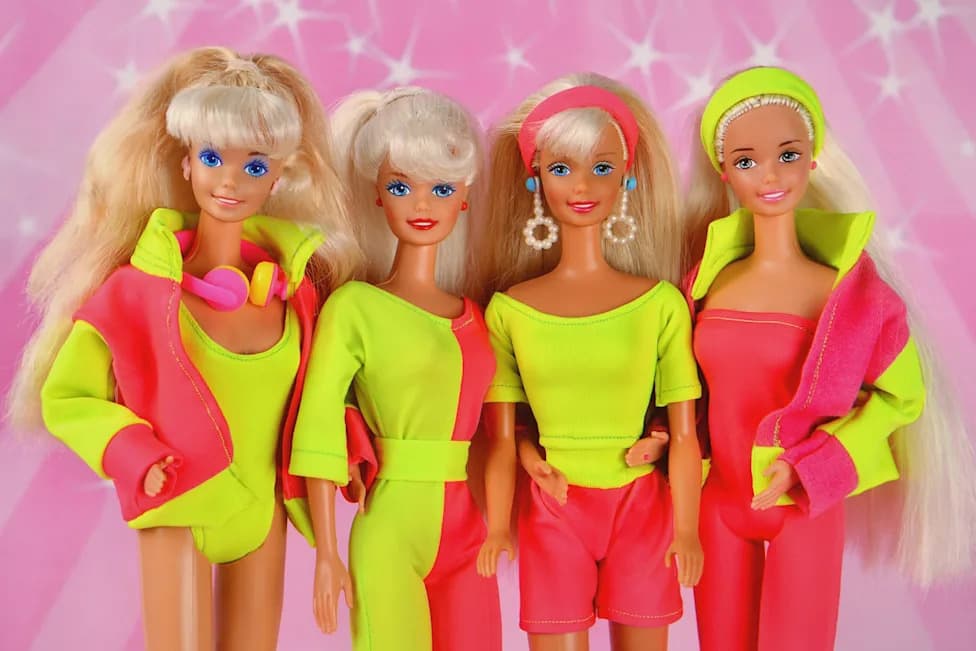
(Photo byJulee JuuviaUnsplash)
Researchers in Australia report that Barbie and Ken are closer to real-life body proportions than in past decades, according to a new analysis that revisited a landmark 1996 study. Using the same scientific approach as the original work, teams from the University of Adelaide and the University of New South Wales (UNSW) measured today’s Fashionista dolls — including Curvy, Tall, Petite and Standard Barbies — along with the latest Ken models and compared those numbers with measurements from young adults aged 18–35.
How the Study Was Conducted
The scientists recorded a wide range of body dimensions on the dolls and on a comparison group of men and women. Measured points included head, neck, chest, waist, hip, thigh, mid-thigh, calf, ankle, upper arm, forearm and wrist. From these they calculated ratios such as waist-to-hip, chest-to-waist and chest-to-hip, and also computed waist-to-height ratios to compare with evolving population trends.
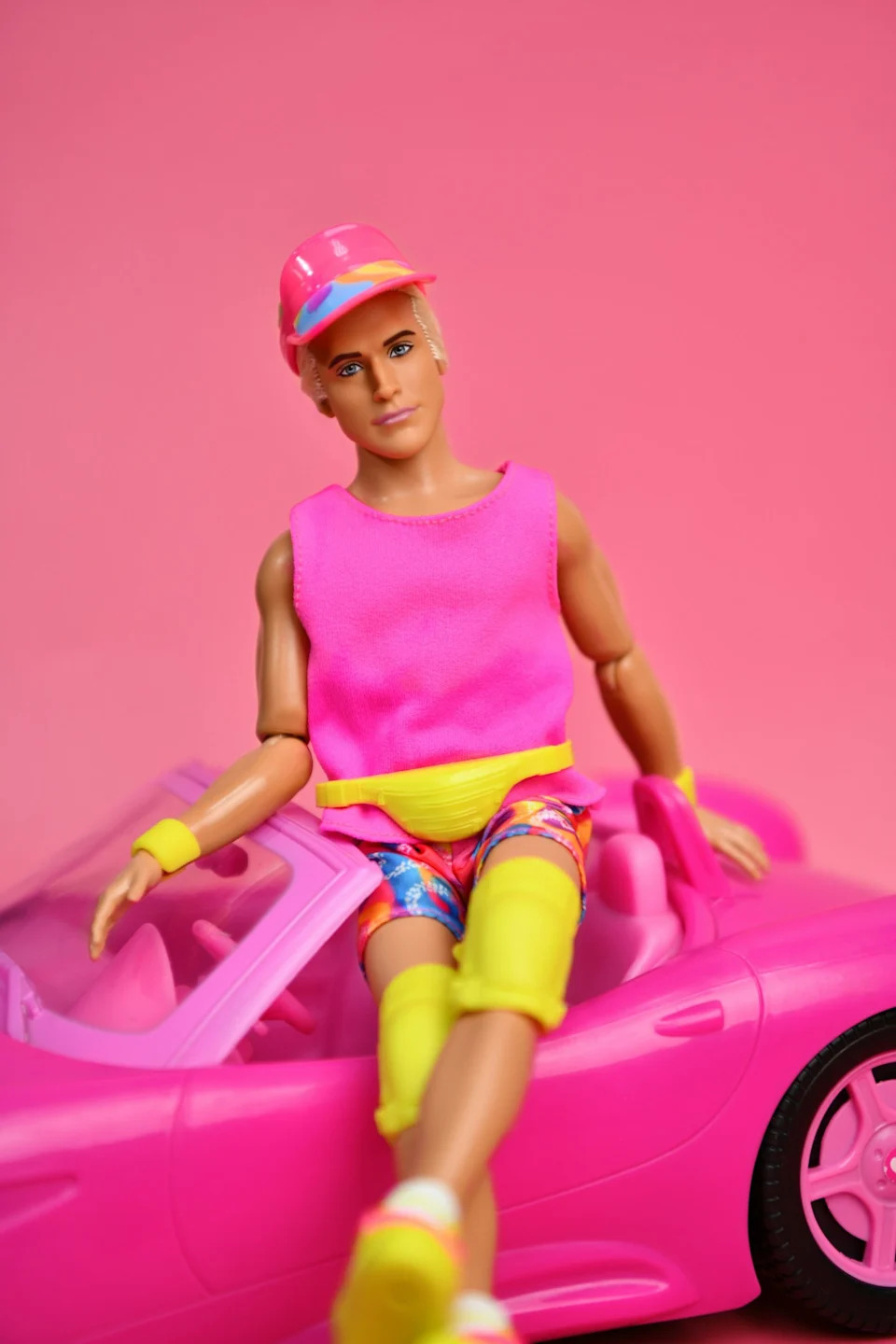
(Photo byJulee JuuviaUnsplash)
Key Findings
The research, published in PLOS One, shows that several key proportions — notably waist-to-hip and chest-to-waist ratios — are now much closer to those seen in real people than the extreme proportions measured in earlier Barbies and Kens. Within the Fashionista line, Curvy Barbie most closely matched average female body proportions, while the newest Ken models also shifted toward more realistic shapes compared with older versions.
"Barbie and Ken are among the most recognizable cultural icons globally, and for many children they're an early and influential representation of what adult bodies 'should' look like," said lead researcher Sara Grafenauer from UNSW Medicine and Health. "Traditional Barbie and Ken dolls have long had statistically improbable body shapes; the original dolls' proportions were so extreme that fewer than one in 10 million people would match them."
Grafenauer noted that waist-to-hip and chest-to-waist measurements for current Barbie dolls now fall within the normal range for several key female measures, although they still sit below typical female population averages. She also said Ken's overall silhouette has become more realistic, but some ratios — particularly his chest-to-waist — remain less representative of the average man.
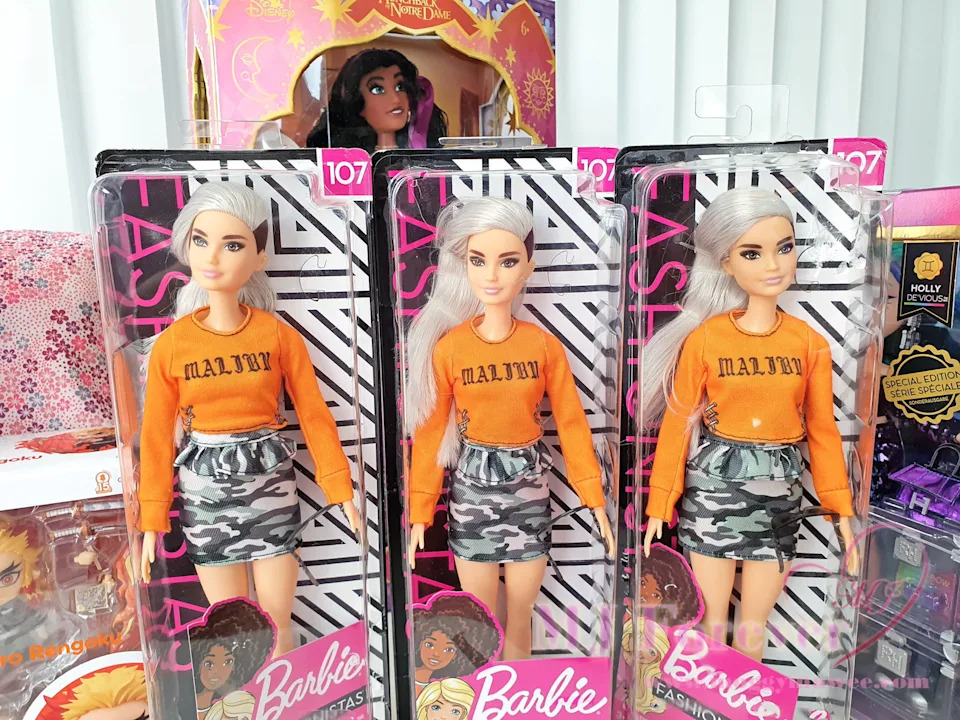
(Barbie Fashionista 107 (Malibu) via SWNS)
"The positive changes we're seeing in Barbie and Ken's body shapes should provide some reassurance for health professionals and parents," said Kevin Norton, co-author of the 1996 study. "Greater diversity in toy design better reflects the people children see around them every day."
Context and Implications
Co-researcher Belinda Durey (University of Adelaide) emphasized that toys shape perceptions of bodies, health and identity: the more dolls reflect real human diversity in size, shape and proportion — and the more positive the messages about inclusion and health — the more constructive their influence on children can be. The study’s results echo a separate Monash University analysis published last year in PLOS One, which found a steady decline in Barbie dolls posed on tip-toe and more flat-footed poses in dolls marketed in employed roles.
Since Barbie's 1959 debut, Mattel has released many variants that appear to reflect shifts in gender roles, employment, and body representation. The conversation around Barbie’s proportions also re-emerged in popular culture after the 2023 Barbie movie highlighted the doll’s frequently tip-toe posture used to suggest high heels.
Bottom line: While Barbie and Ken remain stylized toys, this new analysis finds their proportions have become markedly more realistic — a shift that researchers say could help reduce the influence of previously unrealistic body ideals on children and adolescents.
Help us improve.