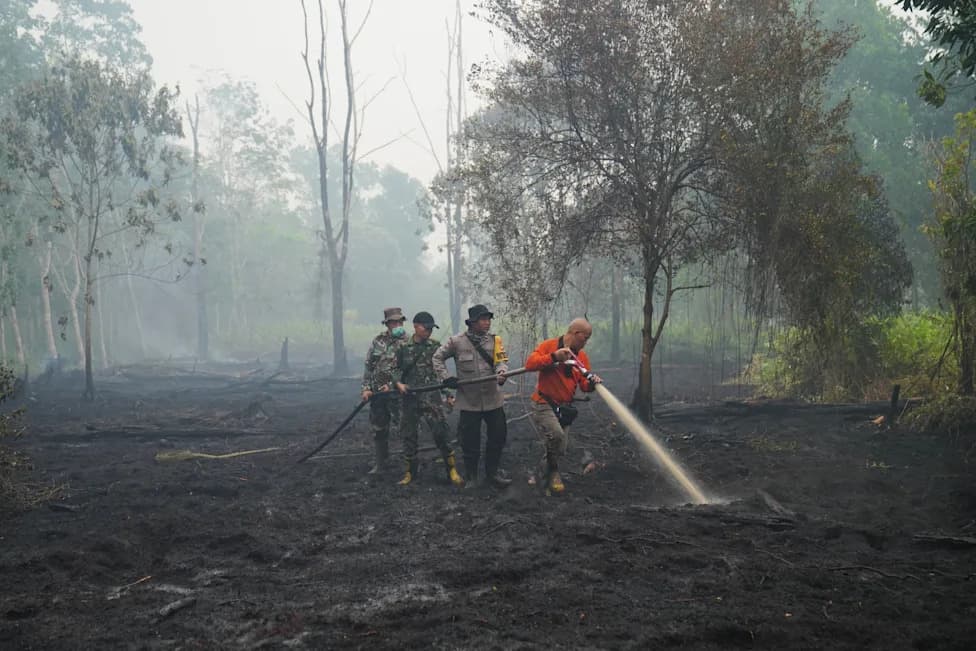
AFP's analysis of Copernicus ERA5 shows regions home to about 900 million people experienced their hottest July on record in 2026, with 33 countries setting new monthly heat highs. The Sahel and parts of eastern Africa were especially hard hit, with some areas more than 2°C above the 1981–2010 average. El Niño amplified extreme heat across Central and northern South America, while Europe saw large temperature anomalies, drought and megafires in France and Spain. The heat surge intensifies risks to vulnerable populations, infrastructure and food security.
AFP Analysis: About 900 Million People Experienced Their Hottest July On Record In 2026
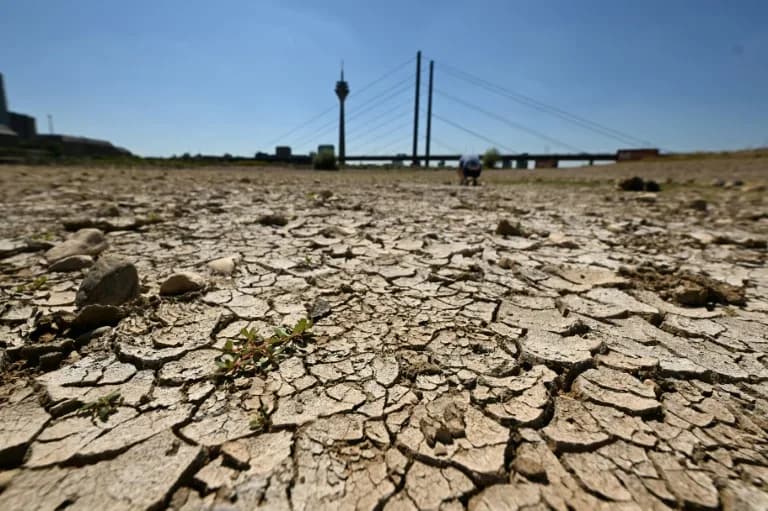
Some 33 countries recorded their hottest July since records began, according to a detailed analysis of Copernicus data (Ina FASSBENDER)
Regions inhabited by roughly 900 million people recorded their warmest July on record in 2026, according to an AFP analysis of Copernicus ERA5 climate data. The extreme heat stretched from the Sahel across parts of Africa to Central America and northern South America, and into Europe, including France and Spain.
Data and Method
AFP analysed billions of data points from the Copernicus ERA5 climate reanalysis to map where July 2026 temperatures were unprecedented. The study found 33 countries experienced their hottest July since national records began. Where available, national meteorological agencies such as Meteo-France and Spain's AEMET independently confirmed record-breaking conditions.
ERA5 combines satellite observations, weather-station measurements on land, sea and air, and climate modelling to provide hourly global coverage back to 1970. AFP used this consistent dataset to fill gaps where some lower-income countries do not routinely publish detailed climate records.
Sahel: Temperatures Far Above Normal
Nearly 400 million of the roughly 900 million people living in the affected regions reside in Africa, concentrated mainly in the Sahel. Ten countries across the semi-arid Sahel—including Mauritania, Niger and Burkina Faso—set monthly heat records for July. Eastern African nations such as Sudan, Kenya and Ethiopia also recorded record July temperatures.
While temperature variability is typically smaller near the equator, some countries saw exceptional departures from normal. Chad and Sudan recorded July temperatures more than 2°C above the 1981–2010 average. Scientists from the World Weather Attribution network warned that extreme-heat episodes have become almost ten times more likely since 2015, largely due to human-driven climate change. Sahel countries are highly vulnerable, many already facing armed conflict, food insecurity and poverty.
El Niño and Food Security Risks
The naturally occurring El Niño pattern, which began in June and is expected to peak later this year, amplified unprecedented heat across Central America and northern South America. From Mexico to northern Brazil—spanning the Pacific coast to the Guiana Highlands—about 110 million people experienced their hottest July on record.
El Salvador, Nicaragua and Honduras, located in the so-called "Dry Corridor," recorded monthly temperature records in both June and July, raising fears for crops and livelihoods. The United Nations World Food Programme (WFP) warned Central America is likely to be the hardest hit in relative terms; including the Caribbean, the WFP estimates roughly 16 million more people could face food insecurity by the end of 2027.
Europe: Record Averages, Drought and Megafires
Nearly 120 million Europeans live in areas where July 2026 was the warmest on record. The strongest anomalies were concentrated in southern Britain, western France and northern and eastern Spain. France recorded average temperatures 3.8°C above the 1991–2020 normal, a baseline that is already substantially warmer than pre-industrial levels.
Record drought conditions in France and Spain fuelled destructive wildfires. A megafire in France's Gironde department burned almost 42,000 hectares and forced the evacuation of more than 220,000 people in late July. Spain's recent large blaze in Ávila province scorched nearly 44,000 hectares, one of the country's largest recent fires.
Other Hotspots and Wider Impacts
Smaller or more scattered regions—together home to over 250 million people—also saw unprecedented July heat. Notable examples include China's Sichuan province, the US states of Wyoming and Colorado, and the Indonesian islands of Sumatra and Borneo. The extreme heat heightens health risks, strains water and energy systems, and deepens threats to food security in vulnerable regions.
What This Means
The broad, simultaneous nature of these temperature records underscores how climate variability (including El Niño) and long-term human-driven warming are interacting to raise the frequency and severity of extreme heat events worldwide.
Help us improve.