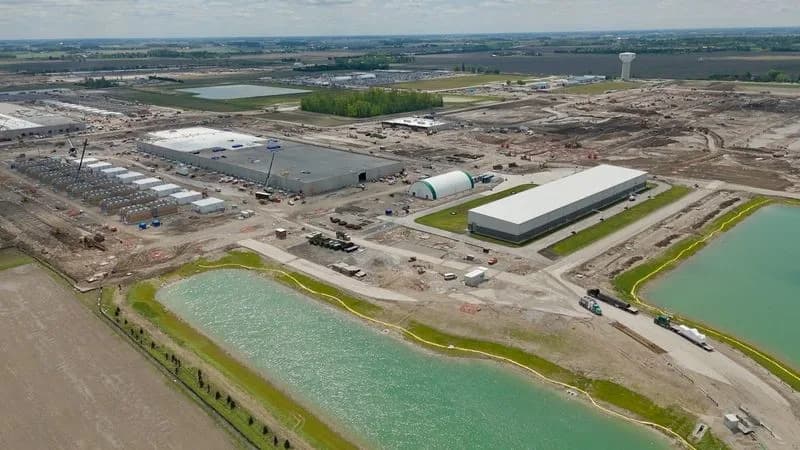
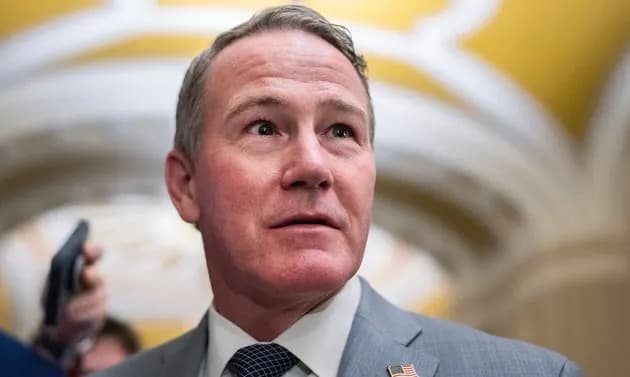
Vivek Ramaswamy proposes that Ohio approve new data centers only if nearby homeowners receive free household electricity, data centers pay full property taxes, and projects meet strict air and water safeguards. The plan would allow on-site power plants (natural gas or nuclear) to supply surplus electricity to local residents and require facilities to prioritize former industrial sites over farmland. Supporters say it ensures community benefits without cutting public services; critics warn of pollution, noise and unclear enforcement of environmental rules.
Ramaswamy Proposes Data Centers Provide Free Household Electricity, Full Taxes and Stronger Environmental Rules

Photo Credit: Getty Images
Ohio gubernatorial candidate Vivek Ramaswamy has proposed a sweeping new condition for approving future data centers in the state: projects would only move forward if nearby homeowners receive free household electricity, operators pay full property taxes, and the facilities meet strict environmental safeguards.
What the Proposal Would Require
- Free Residential Power: Households inside a designated "benefit zone" would pay nothing for household electricity. Data centers could build on-site generation (natural gas or nuclear), use what they need, and send surplus power to the grid for local residents.
- Full Property Taxes: Data centers would forfeit future property tax abatements and pay full property taxes, with that revenue used to fund property tax relief or rebates for nearby homeowners.
- Environmental and Land-Use Standards: New facilities would be required to recycle and reuse water using best available technologies, discharge water at no worse quality than it was taken, and favor redevelopment of former industrial sites over productive farmland.
Potential Benefits and Concerns
Supporters say the plan reframes economic development so communities share the immediate benefits of high-energy projects while protecting local services—schools, fire departments and other public needs would not lose funding because data centers would pay full taxes rather than receive abatements.
Critics note several concerns. Allowing on-site natural gas generation could increase local air pollution and noise in addition to the operational noise data centers already produce. The electricity provision focuses on financial benefits, but it does not eliminate environmental trade-offs. Observers also point out the proposal lacks clear, specific enforcement mechanisms and penalties if operators repeatedly violate environmental conditions or simply pay fees in lieu of compliance.
Political Context and Implementation
Scioto Post reports that Ramaswamy would sign a first-day executive order temporarily halting approval of new data center projects until the legislature enacts the proposed law. His chief opponent, Amy Acton, has also called for a moratorium and argued that "all costs for gas, water and electricity need to be covered by data centers and their investors."
Bottom Line
The proposal aims to change the baseline for data center approvals in Ohio: rather than starting with tax incentives, it would require community benefits and environmental safeguards as prerequisites. Whether the plan can balance immediate homeowner relief, local environmental protection, and the economic incentives states use to attract large investments will be central to the debate if the idea advances.
Help us improve.