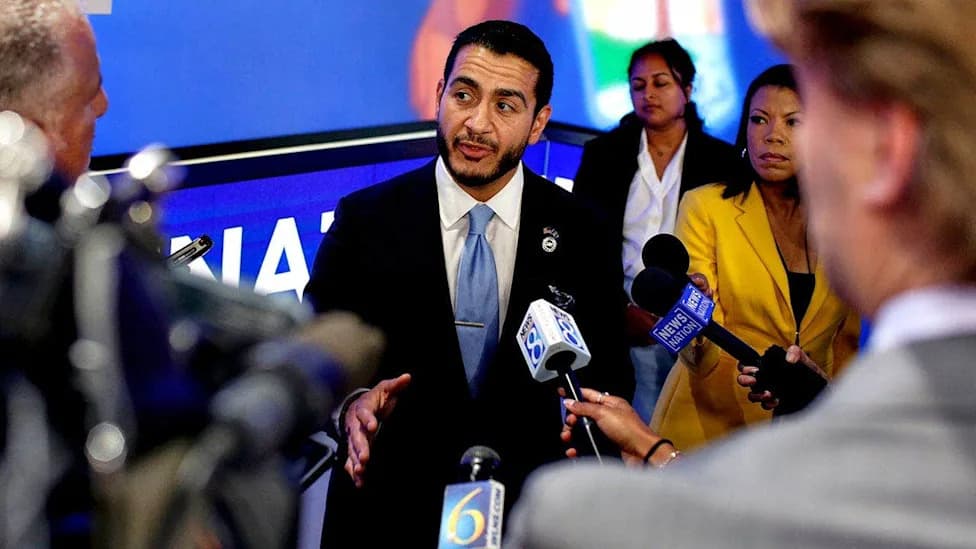
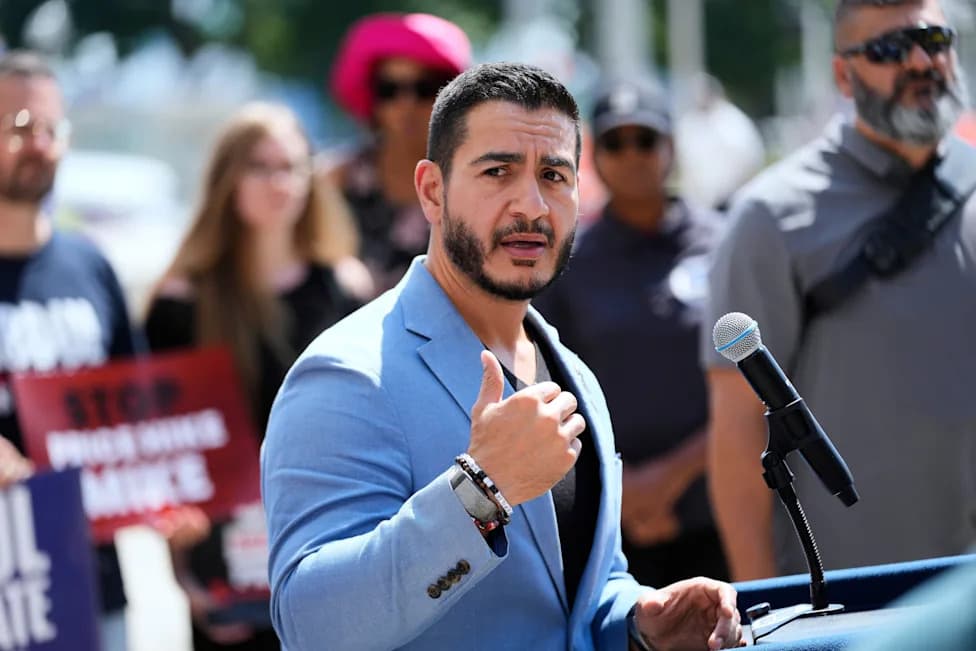
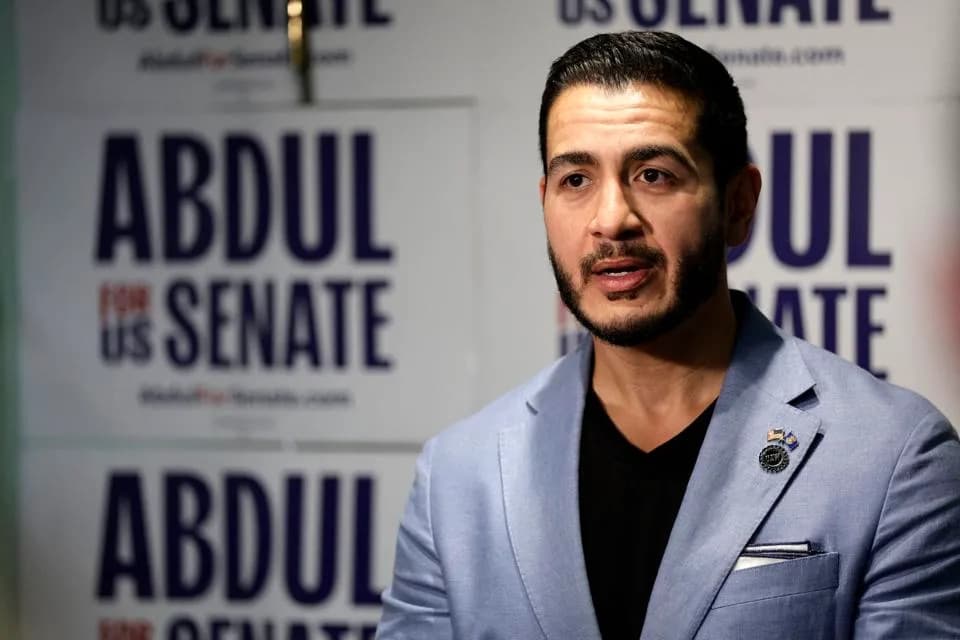
Governor Gavin Newsom’s endorsement of Abdul El‑Sayed has prompted criticism that he is prioritizing political calculation over principle. The column cites El‑Sayed’s personal wealth, progressive policy agenda, campaign ties to controversial figures, and disputed comments about Israel and a synagogue attack. It points to a perceived inconsistency between Newsom’s signing of AB 715—anti‑antisemitism legislation—and his support for a candidate the author views as problematic. The piece concludes that Newsom is pandering to primary voters rather than defending liberal principles.
Newsom Accused Of Putting Party Over Principles After Endorsing Abdul El‑Sayed
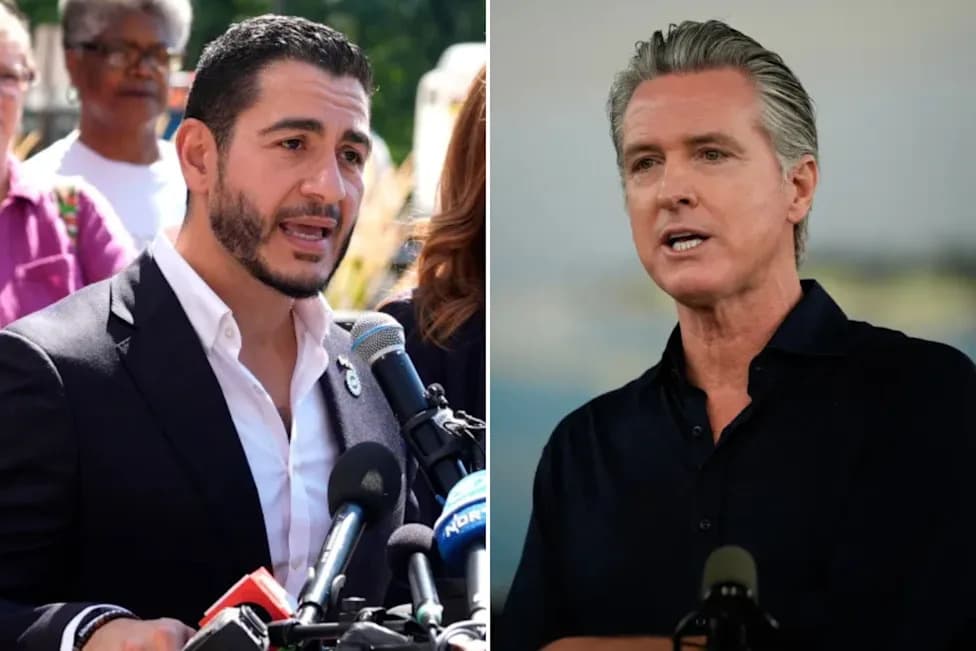
An image collage containing 2 images, Image 1 shows Abdul El-Sayed speaking at a podium with microphones, while Mallory McMorrow listens beside him, Image 2 shows Governor Gavin Newsom speaks at an event promoting electric vehicle savings and clean energy
Governor Gavin Newsom’s endorsement of Michigan Senate candidate Abdul El‑Sayed has drawn sharp criticism from commentators who say the move prioritizes political ambition over stated liberal principles. Critics argue that the endorsement raises questions about ideological consistency and judgment, citing El‑Sayed’s policy positions and past associations.
Background
Abdul El‑Sayed, who narrowly won the Democratic primary for U.S. Senate in Michigan against Representative Haley Stevens, built his campaign on progressive platforms such as Medicare for All. His supporters credit him with energizing the left‑leaning base; his detractors point to perceived contradictions between his message and his personal background.
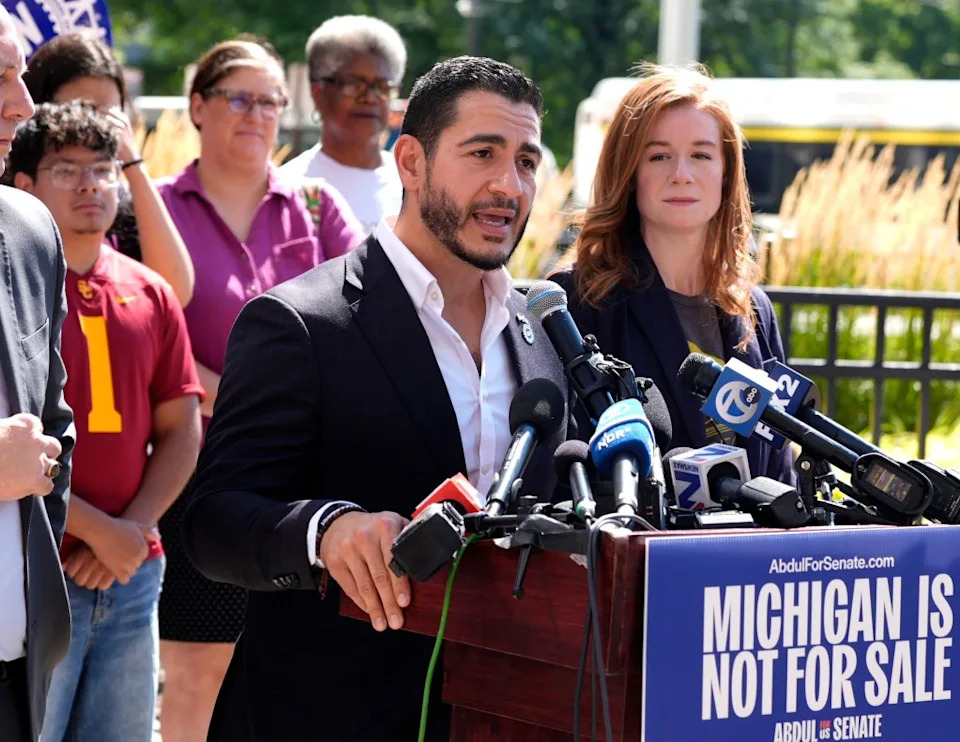
Gavin Newsom's decision to endorse and campaign for radical left-wing Democrat Abdul El-Sayed is a betrayal of California voters and of the liberal principles he claims to uphold. USA TODAY Network via Reuters Connect
Controversies Highlighted
The column that prompted this response lists several controversies surrounding El‑Sayed:
- Personal Wealth Versus Populist Rhetoric: The piece notes that El‑Sayed reportedly owns property on multiple continents and argues this undermines his portrayal as a working‑class champion.
- Response To A Synagogue Attack: After a deadly attack at a Detroit‑area synagogue, El‑Sayed condemned the violence. The article criticizes his subsequent remarks that referenced the attacker’s claimed motive—comments the author interprets as contextualizing or explaining the attacker’s actions.
- Associations: The column emphasizes that El‑Sayed campaigned with podcaster Hasan Piker, a controversial figure whose past statements have drawn condemnation. The piece underscores Piker’s record of inflammatory commentary and notes which remarks he has apologized for and which he has not.
- Stance On Israel And Security Aid: According to the article, El‑Sayed has criticized certain Israeli government actions, has been reluctant to explicitly state that Israel has an unequivocal right to exist, and reportedly opposes U.S. funding for systems like the Iron Dome. The author frames these positions as evidence of problematic views regarding Israel and Jewish communities.
Newsom’s Endorsement And The Alleged Contradiction
The column calls out an apparent inconsistency: last year Governor Newsom signed AB 715, legislation aimed at addressing antisemitism and discriminatory speech in California schools, yet he has endorsed a candidate whom the author contends has expressed views that could run counter to the spirit of that law. The piece characterizes Newsom’s actions as pandering to primary voters and warns of reputational and political risks.
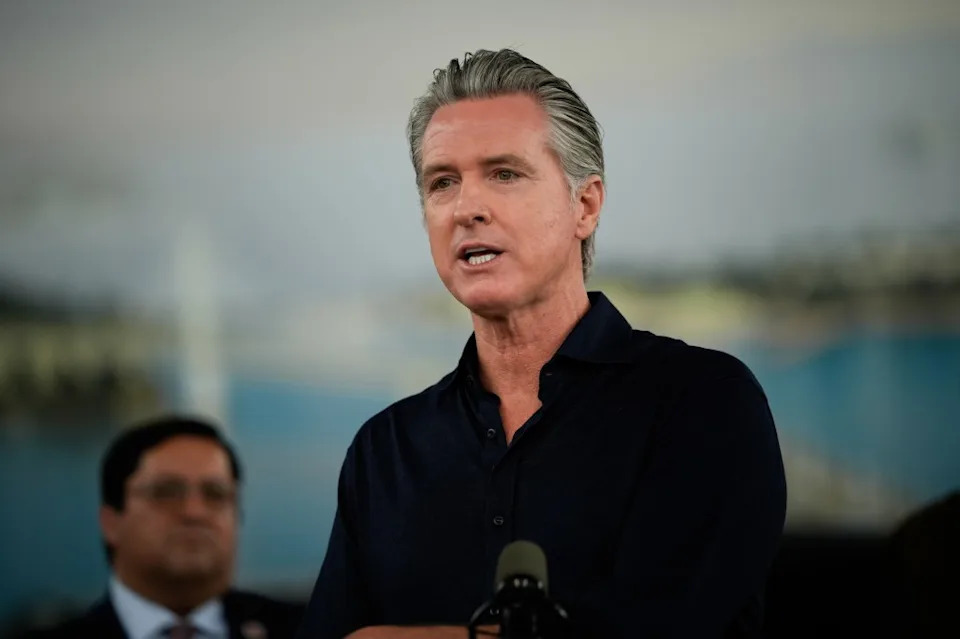
Newsom has embraced a candidate who would violate AB 715 if he taught what he believes in the state of California. Anadolu via Getty Images
“A true leader would denounce El‑Sayed, not campaign with him,” the column says, arguing that Newsom is putting party loyalty ahead of principle.
Implications
The article argues these controversies matter beyond rhetoric because U.S. senators shape foreign policy and national debates about antisemitism and extremism. The author warns that electing officials accused of tolerating or excusing extremist viewpoints could have broader cultural consequences.
Conclusion
Supporters of El‑Sayed view him as a progressive reformer with important policy proposals; critics view Newsom’s endorsement as a political gamble that raises questions about priorities and principles. The column concludes that if El‑Sayed loses in November, Newsom should share responsibility for backing a polarizing candidate.
Help us improve.