New York City renters are reporting winter electric bills of around $400 or higher as Mayor Zohran Mamdani prioritizes utility affordability. The city appointed Annel Hernandez to expand access to energy-assistance programs and launched a tenant survey to collect heating and cooling cost data. State figures show nearly 400,000 Con Edison customers are over 60 days behind, owing more than $891 million. Advocates say efficient heat pumps and weatherization can sharply reduce bills, but officials are gathering data before proposing broad policy changes.
NYC Renters Hit With $400+ Winter Electric Bills — Mamdani Moves to Curb Soaring Utility Costs
Photo Credit: iStock
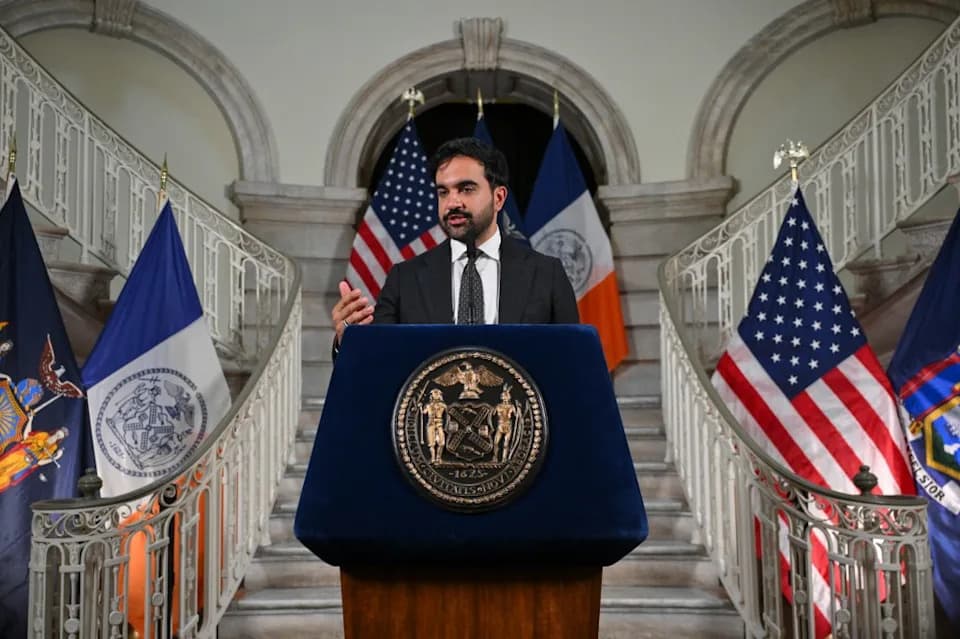
Many New York City renters say winter electric bills have become an unexpected and significant housing expense, with some reporting monthly charges of about $400 or far more. Mayor Zohran Mamdani’s administration has renewed focus on utility affordability, appointing public utility advocate Annel Hernandez and launching a tenant survey to better understand heating and cooling costs across the city.
What Tenants Are Experiencing
Tenants at the mayor's "Rental Ripoff" hearings described surprise utility charges layered on top of already high rents. Cea Weaver, director of the Mayor's Office to Protect Tenants, said many renters sign leases without a clear picture of what winter energy costs will be.
"There's a reality of looking for an apartment in New York City: if you find one you can afford, you're going to take it, and you may not know that later on, during the winter, the electric bill is going to be much higher," Weaver said.
Scale Of The Problem
State data cited by The City Reporter show nearly 400,000 Con Edison customers were more than 60 days behind on payments, with over $891 million owed. That financial strain is compounded in a city where most households already meet the definition of rent-burdened — spending more than 30% of income on rent and utilities — so higher winter heating costs deepen affordability pressures.
Why Bills Spike
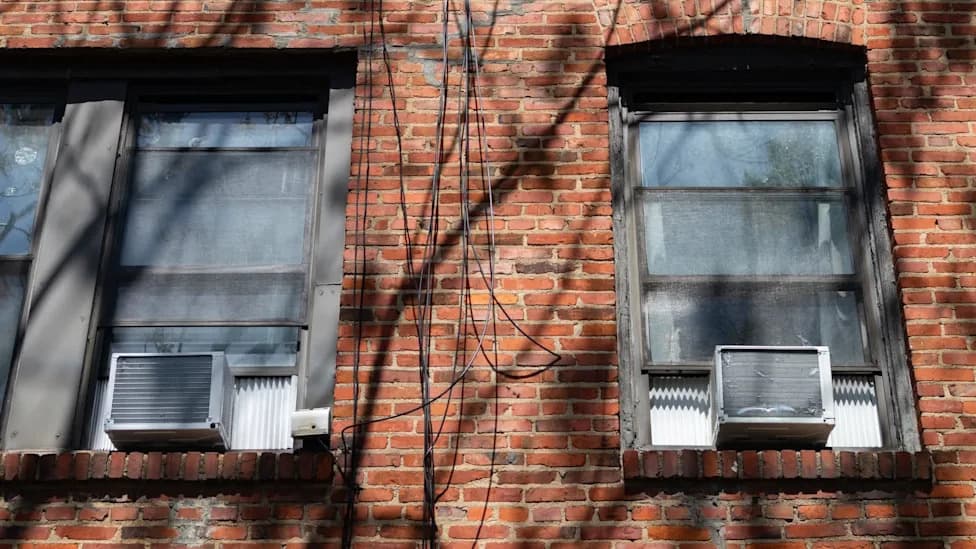
The way buildings are heated matters. Tenants in buildings with landlord-paid central boilers typically do not receive a separate heat charge. But where electric heating is individually metered — particularly with older baseboard or wall units and poorly insulated apartments — winter bills can become crippling.
In Harlem, renter Jen Wu said poor insulation and an inefficient electric heater push her winter electric bills to roughly $400 a month. "All winter, I'm chronically underheated because I can't afford it, and it's extremely stressful," she told reporters.
Electrification, Health And Efficiency
Officials and advocates note that electrification can bring benefits such as better indoor air quality and lower climate pollution. Anhthu Hoang of WE ACT for Environmental Justice said the switch to electrification aims to improve both air quality and residents' experiences inside buildings.
However, the type of electric heating matters: modern heat pumps are generally far more efficient than old baseboard heaters or wall units. Francis Rodriguez, director of weatherization at the Association for Energy Affordability, urged protections that prevent landlords from shifting electrification costs to tenants.
Real-World Savings
The potential savings can be dramatic. In one Crown Heights building, replacing inefficient electric units with heat pumps cut a resident's bill from about $1,000 to roughly $300. Tenant Eric Thurm said the new system made the building feel "a lot more habitable" and reduced winter anxiety.
What City Officials Are Doing
Mamdani named Annel Hernandez to push for lower bills and wider access to energy-affordability programs, and the city opened a survey to collect tenant data on heating and cooling costs. The Department of Housing Preservation and Development says it is still gathering information before proposing broad policy responses. Agency spokesperson Andrew Stern said this data will be "critical to developing a comprehensive response to this emerging issue."
Existing Protections And Next Steps
Some protections already exist: rent-stabilized tenants may be eligible for rent reductions if landlords shift heating costs onto tenants after changing a system, and some state electrification incentives prohibit passing upgrade costs onto residents. Hernandez's office is working to boost enrollment in energy-assistance programs and help tenants better understand utility bills.
Bottom line: Rising winter electric bills are an emerging affordability issue in NYC. Better data, tenant protections, and efficient electrification (notably heat pumps and weatherization) are key to reducing bills while meeting climate and health goals.
Help us improve.