After an 18-month probe, the L.A. County Fire Department concluded that Southern California Edison equipment ignited the Eaton Fire when arcing lines threw "hot metal particles" into dry vegetation, which ignited about 12 seconds later. The January 2025 blaze killed at least 19 people and destroyed nearly 10,000 homes and businesses. The formal finding may accelerate civil litigation against Edison, even as the utility reports strong profits and highlights a $775 million compensation program.
Investigators Find Edison Equipment Threw 'Hot Metal Particles' That Ignited Deadly Eaton Fire

Photo Credit: Getty Images
After an 18-month investigation, the Los Angeles County Fire Department has concluded that equipment owned by Southern California Edison sparked the Eaton Fire when arcing transmission lines ejected "hot metal particles" into dry brush beneath a tower in Eaton Canyon.
Working with Cal Fire, the county's arson unit determined that lines near the transmission tower arced and propelled burning metal into vegetation at the tower's base. According to the report, the material ignited roughly 12 seconds later. The official finding is explicit: "The cause of this fire is ELECTRICAL in nature."
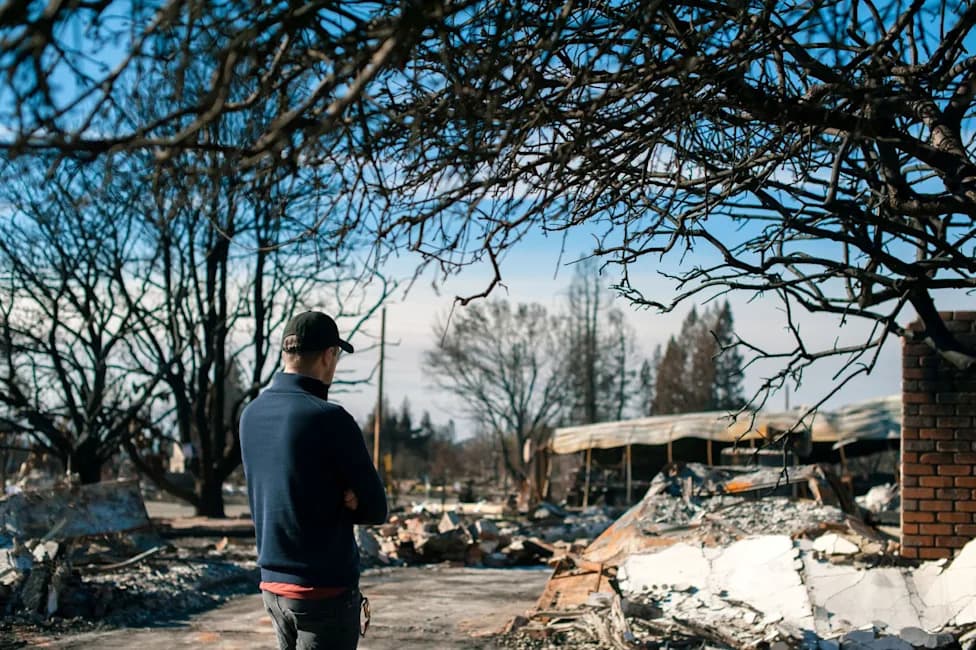
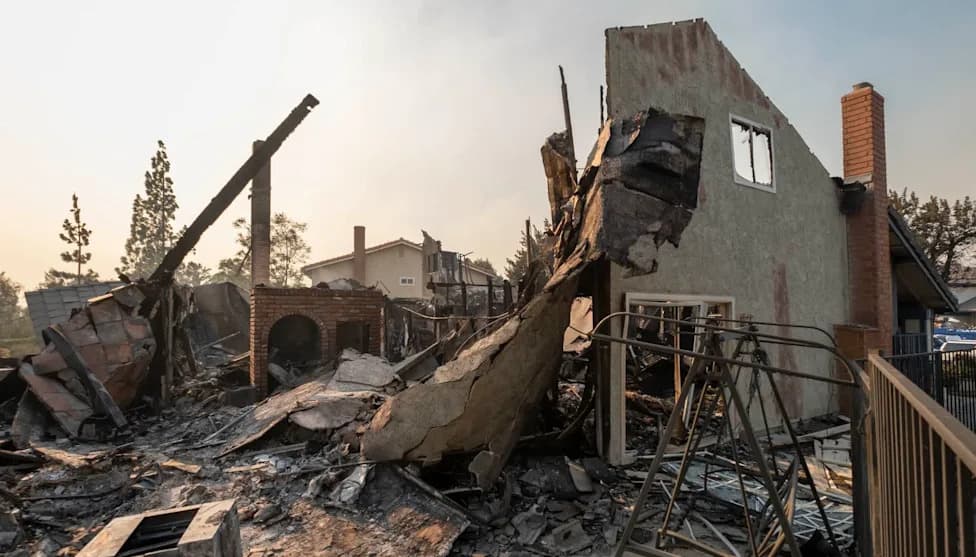
The blaze began on January 7, 2025, and was fully contained on January 31, 2025. By the time it was controlled, at least 19 people had died and nearly 10,000 homes and businesses were destroyed, leaving communities grappling with loss, displacement and lengthy recovery efforts.
Southern California Edison (SCE) said it is reviewing the L.A. County Fire Department's findings. Company spokesperson Scott Johnson said SCE treated the possibility that its equipment started the fire as a serious matter from the outset and had previously indicated it believed its equipment was likely involved.
Eaton Fire survivor Zaire Calvin, who lost his home and whose sister Evelyn McClendon died in the blaze, said: "I'm very angry about the fact that this has already been known, and that Edison still hasn't accepted responsibility."
The official determination had been a major issue in litigation. Edison's attorneys had argued a trial could not proceed until a formal cause was established; plaintiffs' lawyers say the report removes a key delay. The civil trial is scheduled to begin on January 25, 2027.
Financial Contrast and Public Reaction
The report's release coincides with strong financial results for the utility. Southern California Edison reported $669 million in net income, an increase of $193 million from the prior period. Parent company Edison International recorded a record $4.5 billion in profits for 2025, and CEO Pedro Pizarro received a 20% pay increase. The juxtaposition of large corporate profits with the devastation in communities has intensified scrutiny of the company's fire-risk management and corporate decision-making.
SCE has pointed to a compensation program that has offered more than $775 million in claims to over 4,000 applicants. Lawyers for plaintiffs say a formal cause could accelerate compensation and reduce procedural delays, but many survivors say payouts alone do not answer broader questions about responsibility or how similar fires might be prevented.
What Comes Next
The county's finding could streamline aspects of pending lawsuits and influence settlement talks, but the legal process will continue. Public officials, including L.A. County Supervisor Kathryn Barger, say the report provides greater clarity and a measure of answers for communities that bore the brunt of the destruction.
As investigations and litigation move forward, affected residents and advocates continue to press for accountability, improved safety measures and clearer plans to reduce wildfire risk around utility infrastructure.
Help us improve.