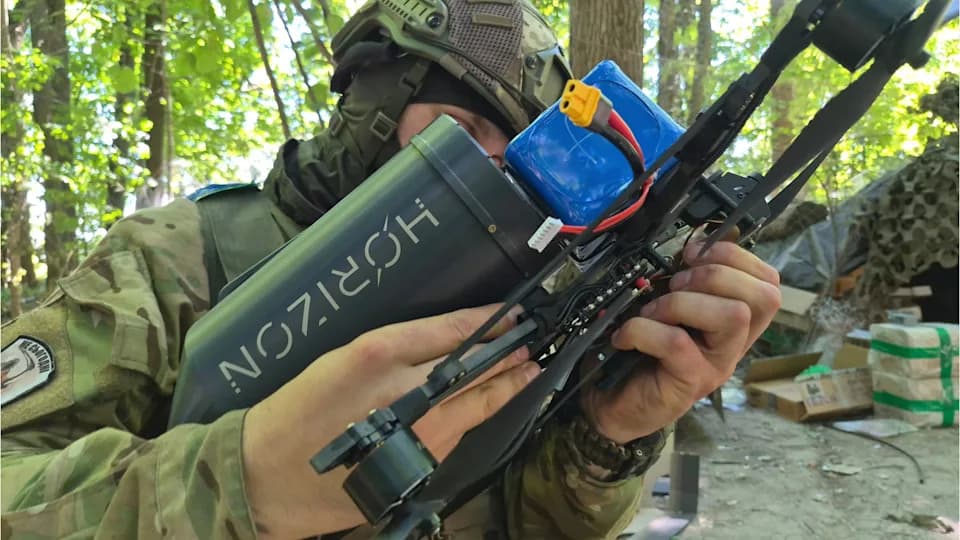
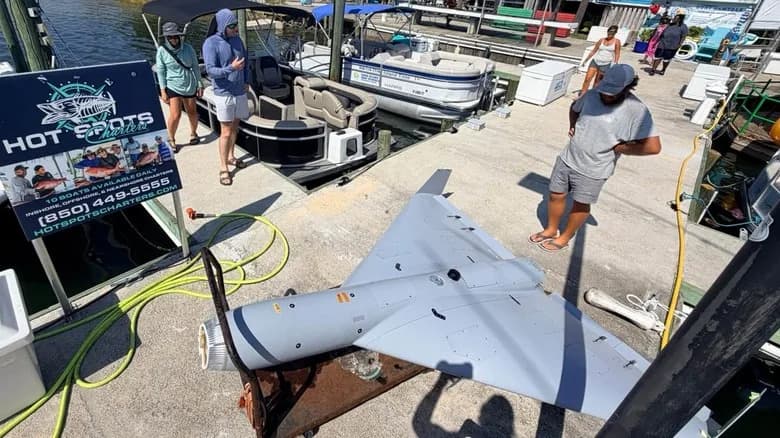
U.S. Marines in South Korea conducted live-fire trials of Neros Archer one-way FPV attack drones on July 30 and Aug. 5, demonstrating the ability to strike targets up to 20 kilometers away. The compact, impact-detonation systems stream live video to a remote pilot and are intended to defeat enemy personnel and light armor. The trials highlight efforts to provide fireteam-level precision fires as the Corps stands up new drone training units and expands Pacific deployments such as NMESIS and MADIS.
Marines Test Neros Archer FPV Attack Drones Near DMZ, Capable Of Strikes Up To 20 km
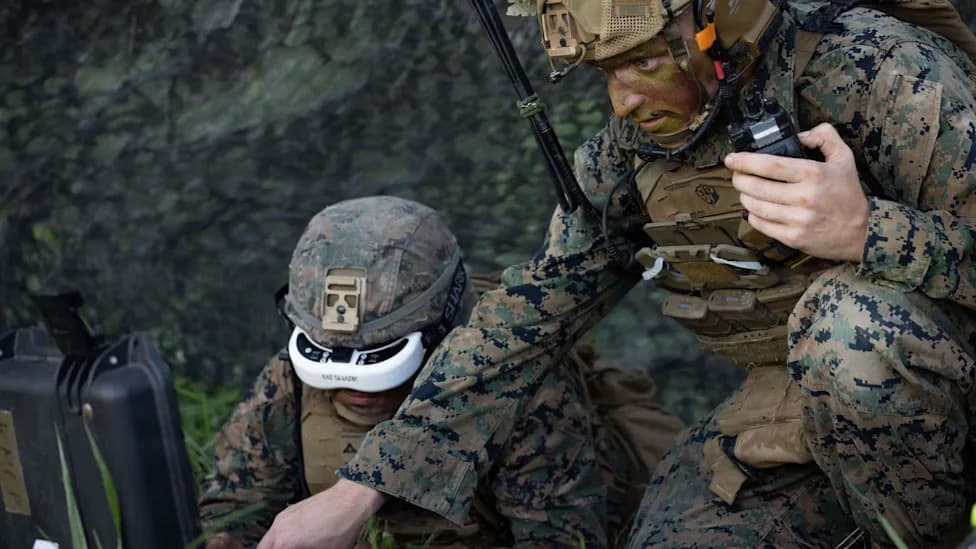
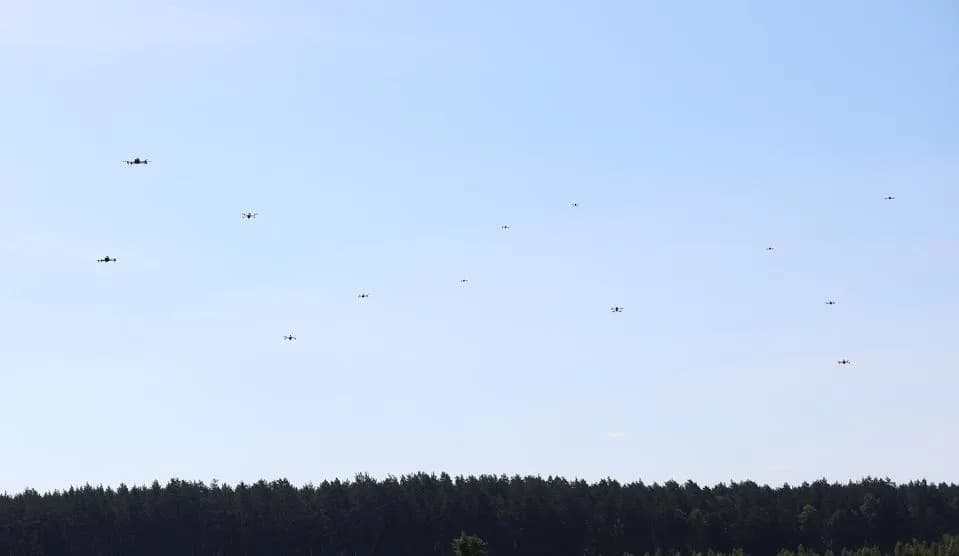
Marines from the unit deployment program operate a first-person-view attack drone in South Korea on Aug. 5, 2026.
U.S. Marines deployed in South Korea have completed live-fire trials of first-person-view (FPV) one-way attack drones that extend small infantry units' ability to engage targets at ranges up to 20 kilometers.
On July 30, personnel from the 3rd Light Armored Reconnaissance Battalion conducted a live-fire trial, and on Aug. 5 Marines from 3rd Battalion, 7th Marine Regiment carried out a separate exercise a few miles south of the Demilitarized Zone. In both events crews operated Neros Archer drones, compact quadcopters designed to impact targets and detonate on contact.
While Marines have trained with Archer systems domestically, these Korea trials demonstrated how the platform can be integrated into the tactics and reach of forward-deployed units. The Archer is a one-way FPV system (a loitering munition) that streams a live video feed to a remote pilot who guides the aircraft using goggles and manual controls.
Squad-Level Precision
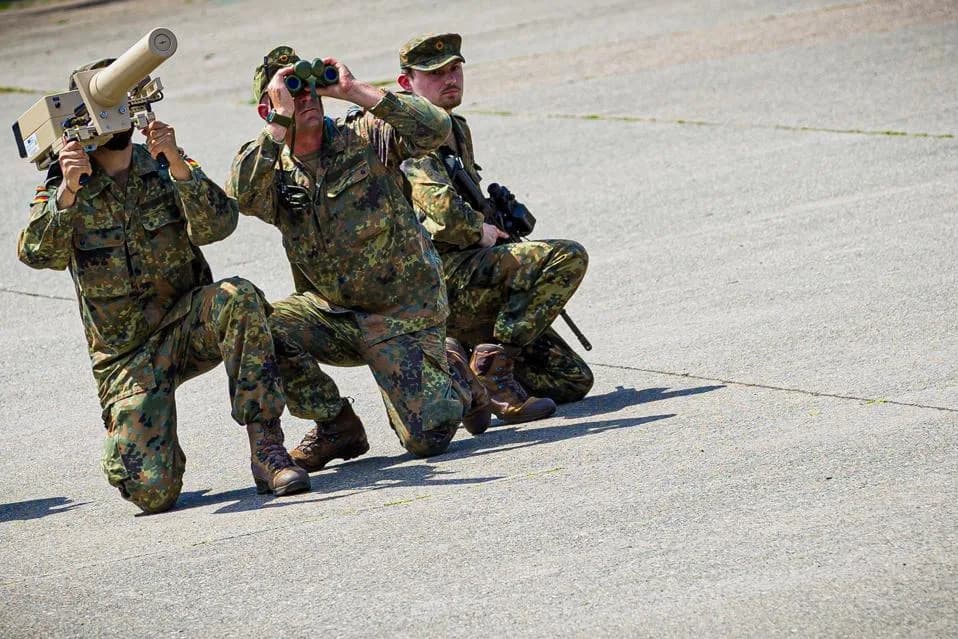
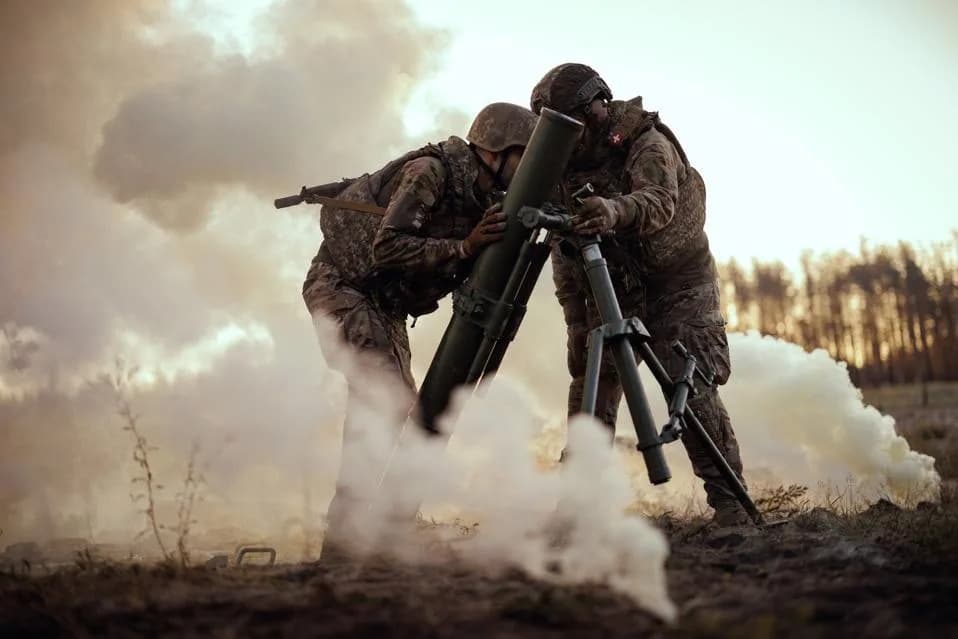
In an official release, the Marine Corps said the small FPV systems broaden what fireteams and squads can accomplish on the battlefield. The systems enable units to deliver a small flying explosive against distant positions and are intended to defeat enemy personnel and light armor. "Equipping our Marines with FPV attack drones gives us a useful tool that provides an additional kinetic option," said 1st Lt. Evan Brace, a company executive officer with 3rd Light Armored Reconnaissance Battalion. "This capability allows units down to the fireteam level to possess organic, precise fires capable of shaping their battlespace."
Part Of A Larger Pacific Buildup
The Marine Corps, like other U.S. services, has been rapidly adapting to both deploy and defend against drone technologies. The service announced it is standing up two new units to train Marines on drone tactics and operations ahead of deployments.
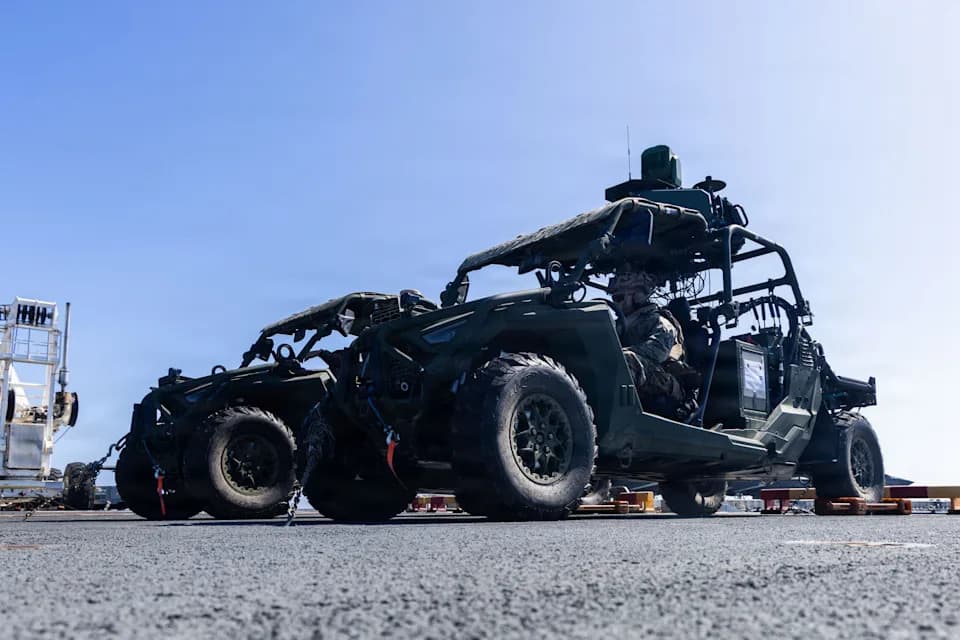
These FPV tests fit a broader Marine effort to expand offensive options in the western Pacific. Marine planning for the theater anticipates island-hopping campaigns where forces must contend with threats ashore and hostile vessels offshore. This summer, the Corps staged two weapon systems — the Navy-Marine Expeditionary Ship Interdiction Systems (NMESIS) and the Marine Air Defense Integrated Systems (MADIS) — to Okinawa; those systems target ships and aircraft, while FPV attack drones are focused on smaller, ground-based positions.
The Korea trials come amid a continued buildup of capabilities on the peninsula. Last fall the U.S. Air Force created a new drone-focused reconnaissance and surveillance force and formed a so-called "super squadron" at Osan Air Base, relocating nearly three dozen F-16s to the installation.
Bottom line: The Neros Archer FPV tests demonstrate an emerging capability to give small Marine units precision, stand-off strike options while the U.S. expands training and complementary weapons deployments across the western Pacific.
Help us improve.