Upper Prior Lake in Scott County, Minnesota, has made measurable recovery after managers used radio tagging to locate invasive carp and carry out targeted removals that hauled 34 tons. Since 2016 nearly 100,000 pounds (about 12,000 fish) have been removed and native plant coverage rose from 9% to 34%. Combined with alum treatments (partly funded with ≈$400,000 in state support) and about $9 million in watershed investments since 2010, efforts are estimated to cut phosphorus by more than 1,400 pounds per year and prompted a recommendation to remove the lake from the state's impaired‑waters list.
Radio‑Tagged Carp and Targeted Removals Help Restore Upper Prior Lake
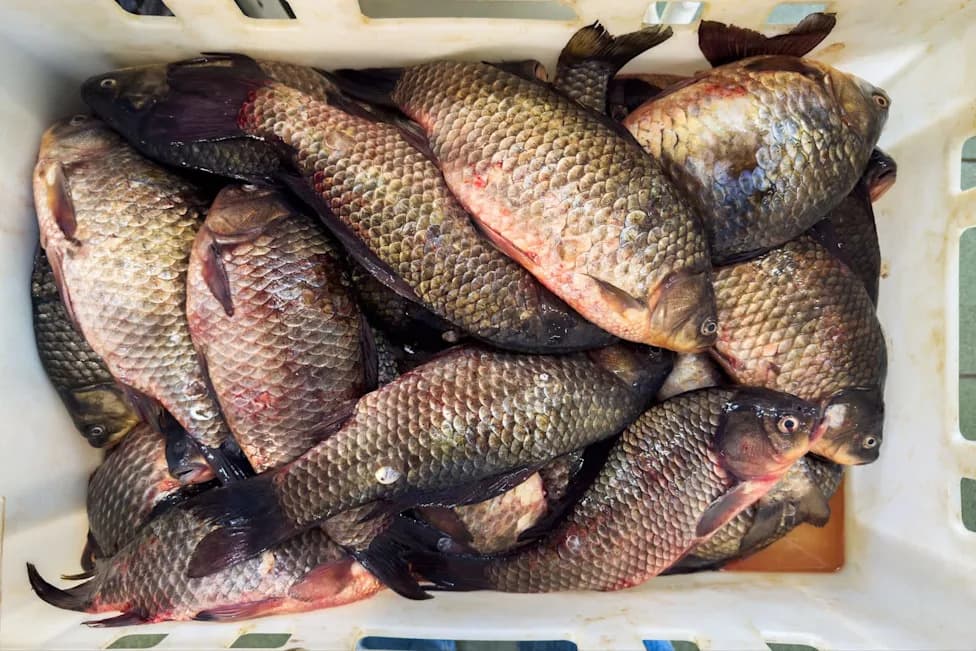
Photo Credit: iStock
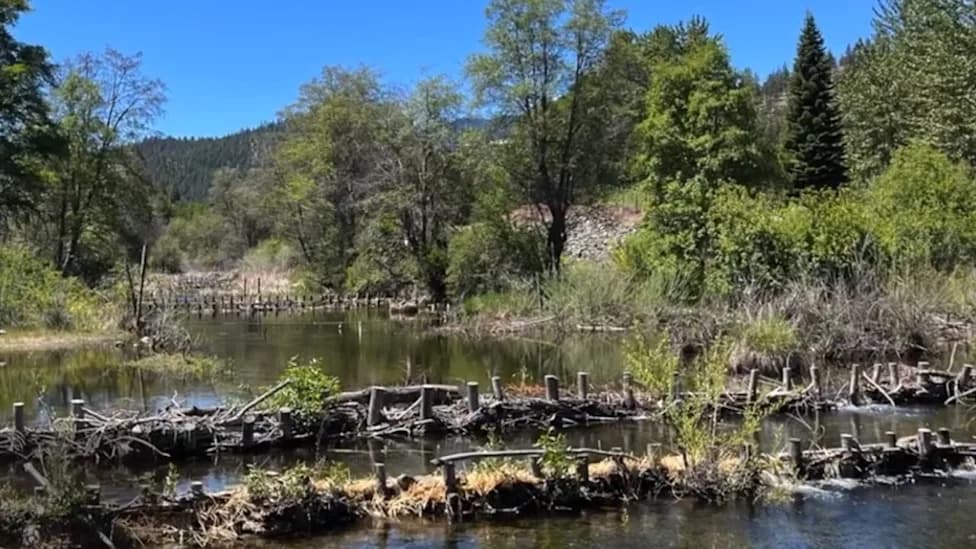
Upper Prior Lake in Scott County, Minnesota — a 400-acre lake once choked by cloudy water and algae — is showing clear signs of recovery after a multi-year, targeted restoration effort that included an unconventional tactic: radio‑tagging invasive carp.
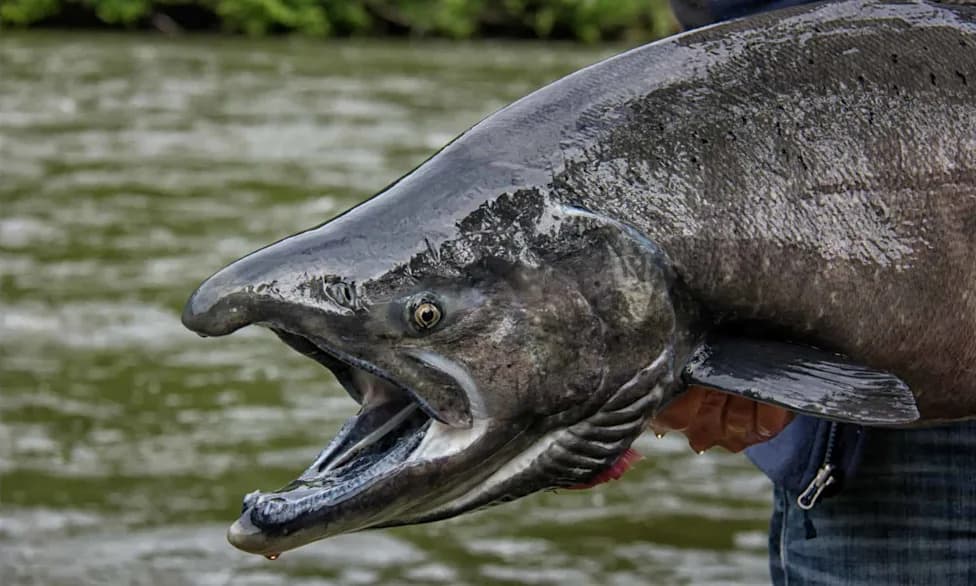
Managers had struggled for years to control a large carp population whose feeding behavior stirred up bottom sediments, released trapped nutrients into the water column, and uprooted native aquatic plants that help stabilize lake ecosystems. Repeated netting attempts provided limited success until a change in strategy in 2016.
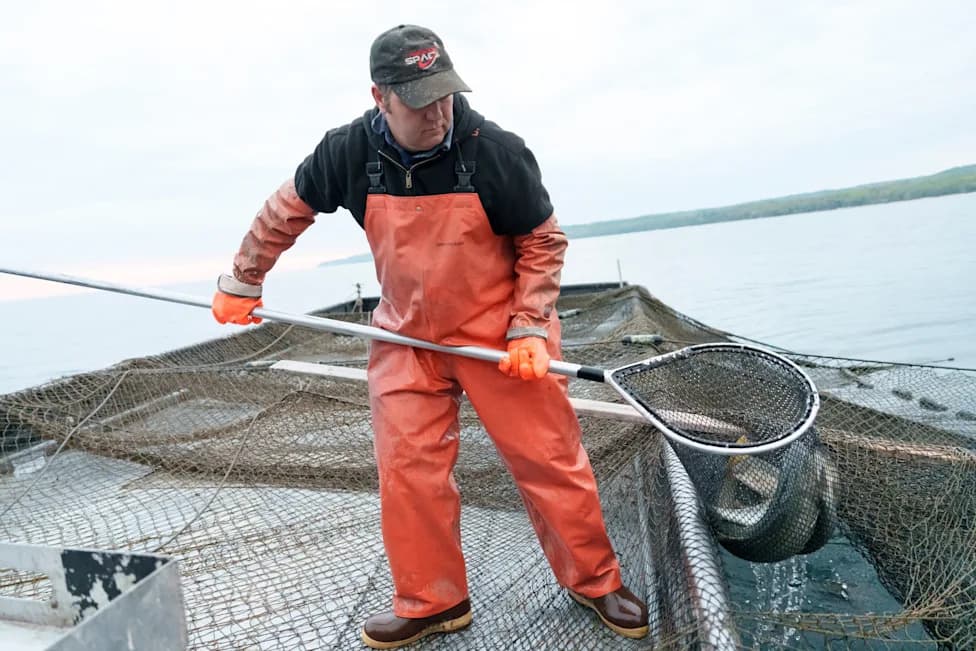
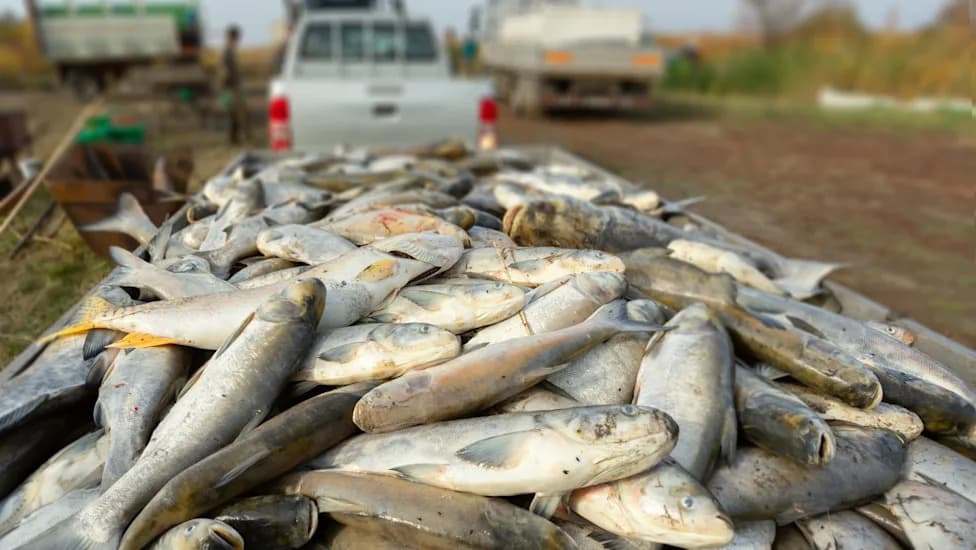
That year officials implanted radio transmitters in a small sample of carp. By following those signals, crews mapped pre‑breeding congregation sites, shoreline travel routes, and wintering schools beneath the ice — allowing much more targeted and effective removals. Those operations removed 34 tons of carp, and since 2016 the Prior Lake‑Spring Lake Watershed District has hauled nearly 100,000 pounds (about 12,000 fish) from Upper Prior and nearby waters.
Restoration Actions and Results
The carp removals were an important breakthrough but only one element of a broader restoration plan. Before reductions in carp numbers, native aquatic vegetation covered roughly 9% of the lake bottom. That coverage has increased to about 34%, giving the ecosystem a stronger chance to stabilize and resist algal blooms.
Following the initial removals, managers applied aluminum sulfate (alum) to bind phosphorus and lock it into the lakebed. The Watershed District received approximately $400,000 in state Clean Water Fund support for alum treatments in 2020 and again in spring 2026. Combined with carp control and other measures, these efforts are estimated to reduce phosphorus loading by more than 1,400 pounds per year.
The restoration program has also targeted pollution before it reaches the lake. Since 2010 the Watershed District, the City of Prior Lake, Scott County, and state partners have invested about $9 million across projects including wetland restoration and an iron‑enhanced sand filter to trap runoff pollutants upstream.
“Carp stir up nutrients and sediment and also tear out vegetation,” Jeff Anderson, water resources coordinator for the Watershed District, told the Star Tribune. “It’s taken years of work, and definitely needs a holistic approach,” added Emily Dick, the Watershed District’s water resources manager.
Progress has prompted the Minnesota Pollution Control Agency to recommend removing Upper Prior from the state’s impaired‑waters list for nutrient pollution — a designation the lake had held since 2002. Officials stress the lake’s recovery reflects coordinated, sustained actions that addressed both legacy and new pollution sources.
Upper Prior’s revival demonstrates that complex, metro‑adjacent lakes can recover when managers combine innovative biological controls, in‑lake treatments, and watershed‑scale pollution prevention.
Help us improve.