
Immigration enforcement tied to President Trump has become a central issue in Minnesota’s Democratic Senate primary. The contest pits Rep. Angie Craig — who voted for the Laken Riley Act in early 2025 and later expressed regret — against Lt. Gov. Peggy Flanagan, who is running as a progressive alternative backed by grassroots donors and allies like Sen. Bernie Sanders. Local protests around the Bishop Henry Whipple Federal Building and the killings of Renee Good and Alex Pretti have sharpened the debate. Campaign spending favors Craig ($9M vs. $5.5M through July 22), but the race remains competitive and emblematic of national left-versus-center tensions.
Immigration Crackdown Casts Long Shadow Over Minnesota’s Heated Senate Primary

U.S. Rep. Angie Craig, D-Minn., left, and Minnesota Lt. Gov. Peggy Flanagan participate in a forum for U.S. Senate candidates at Farmfest Wednesday, Aug. 5, 2026, in Morgan, Minn. (AP Photo/Ellen Schmidt)(AP Photo/Ellen Schmidt)
In the shadow of the Bishop Henry Whipple Federal Building near the Minneapolis airport, the fallout from President Donald Trump’s 2025 immigration operation has become a defining issue in Minnesota’s Democratic U.S. Senate primary.
For weeks, federal immigration agents staged at the Whipple building as part of an extended deportation campaign. Protesters with whistles and cellphones gathered on nearby streets to document and oppose the operation. The tense months included the fatal shootings of Renee Good and Alex Pretti in Minneapolis, events that helped prompt national scrutiny and a subsequent drawdown of federal activity.

FILE - Protesters stand on the side of the road with ICE protest signs, Jan. 19, 2026, in St. Paul, Minn. (AP Photo/Angelina Katsanis, File)(AP Photo/Angelina Katsanis)
How Immigration Became Central To The Primary
Those confrontations now form a prominent backdrop to the bruising Democratic contest between establishment-backed U.S. Rep. Angie Craig and progressive Lt. Gov. Peggy Flanagan. The debate over immigration enforcement has sharpened an already existing left-versus-center divide in the party.
Angie Craig: A Centrist With Swing-District Credentials
Craig, who flipped a Republican-held House seat in 2018 and defended it in multiple difficult reelection campaigns, voted in early 2025 for the Laken Riley Act, legislation that requires federal authorities to detain migrants accused of theft or violent crimes. As federal agents later moved into Minneapolis, Craig published an op-ed in the Minnesota Star Tribune expressing regret for her vote and saying the way the administration deployed federal forces showed the bill gave ICE powers she could not support under that presidency.
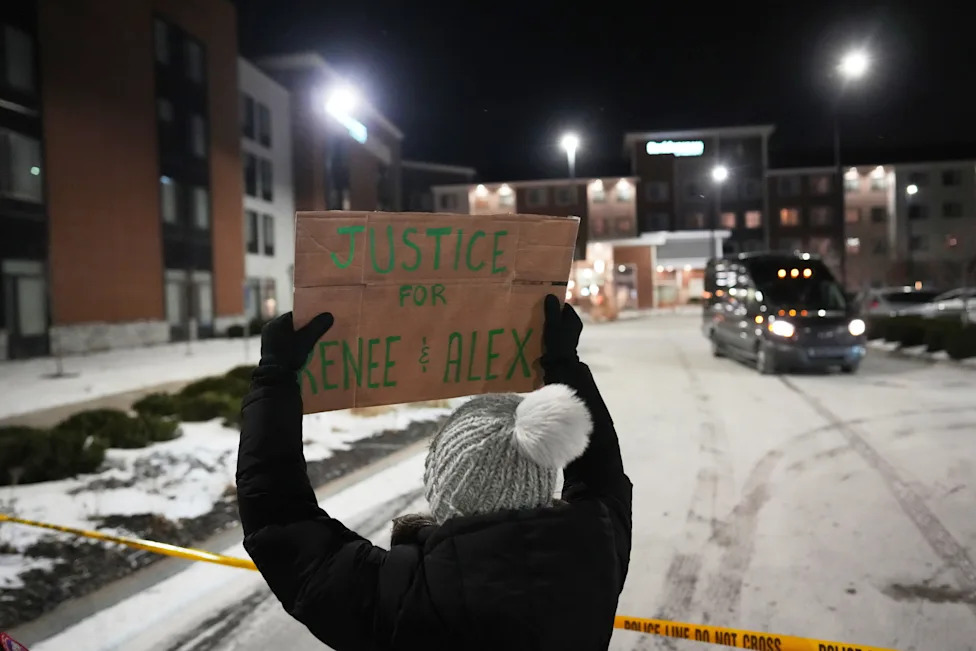
FILE - A demonstrator holds a sign reading "Justice for Renee & Alex" during a protest outside a SpringHill Suites and Residence Inn by Marriott hotels, Jan. 26, 2026, in Maple Grove, Minn. (AP Photo/Adam Gray, File)(AP Photo/Adam Gray)
"I regret my vote," Craig wrote, explaining she opposed the administration’s "outright occupation by aggressive, unaccountable federal forces."
Craig argues her record of winning in a swing district and working across demographics makes her best suited to hold the seat for Democrats in a statewide race.
Peggy Flanagan: Progressive Challenger
Flanagan and her supporters portray Craig’s vote as a betrayal of immigrant communities and insist the apology came too late. Running to Craig’s left, Flanagan supports Medicare for All and proposes curbing U.S. military assistance to Israel. Her campaign relies heavily on grassroots donors and progressive champions — including Sen. Bernie Sanders, who campaigned with her last month.
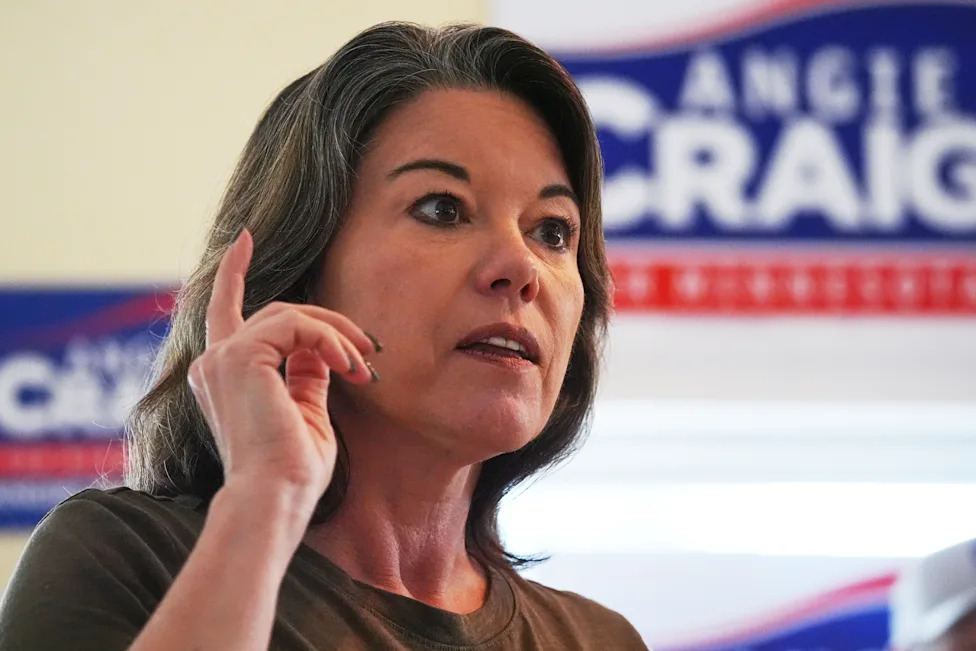
U.S. Rep. Angie Craig, D-Minn., a candidate for U.S Senate, speaks to constituents during a door-knocking event Saturday, July 25, 2026, in Minneapolis. (AP Photo/Ellen Schmidt)(AP Photo/Ellen Schmidt)
Local Impact And Stakes
At the Whipple complex the fences and temporary barriers have come down, but volunteers continue long vigils to assist people arriving from immigration custody or attending hearings. Memorials for Renee Good and Alex Pretti remain sites of fresh flowers and handwritten notes — reminders of the human toll that has animated the campaign’s debate.
Money, Messaging And Political Dynamics
Through July 22, Craig’s campaign had spent roughly $9 million and Flanagan’s about $5.5 million, with outside groups spending heavily in support of Craig. Flanagan’s team is attempting to counter that financial advantage with grassroots energy and high-profile progressive endorsements.

Minnesota Lt. Gov. Peggy Flanagan, a Democratic candidate for U.S. Senate, listens to a voter during a campaign event at the Leech Lake Band of Ojibwe Twin Cities Office in Minneapolis, Saturday, Aug. 8, 2026. (AP Photo/Ellen Schmidt)(AP Photo/Ellen Schmidt)
Local officials and party figures remain split: some emphasize Craig’s electoral experience and ability to win statewide, while others say Flanagan better represents the party’s progressive priorities. Governor Tim Walz has declined to endorse; his wife, Gwen Walz, recently endorsed Craig. The seat — currently held by Sen. Tina Smith, who is not seeking reelection — is considered pivotal for control and messaging heading into the midterms.
What’s Next
The primary will test whether concerns about immigration enforcement and the actions of federal agents in Minneapolis outweigh Craig’s record as a pragmatic, electable Democrat. It also serves as a microcosm of the broader intra-party tension between centrist and progressive Democrats nationwide.
Help us improve.





















