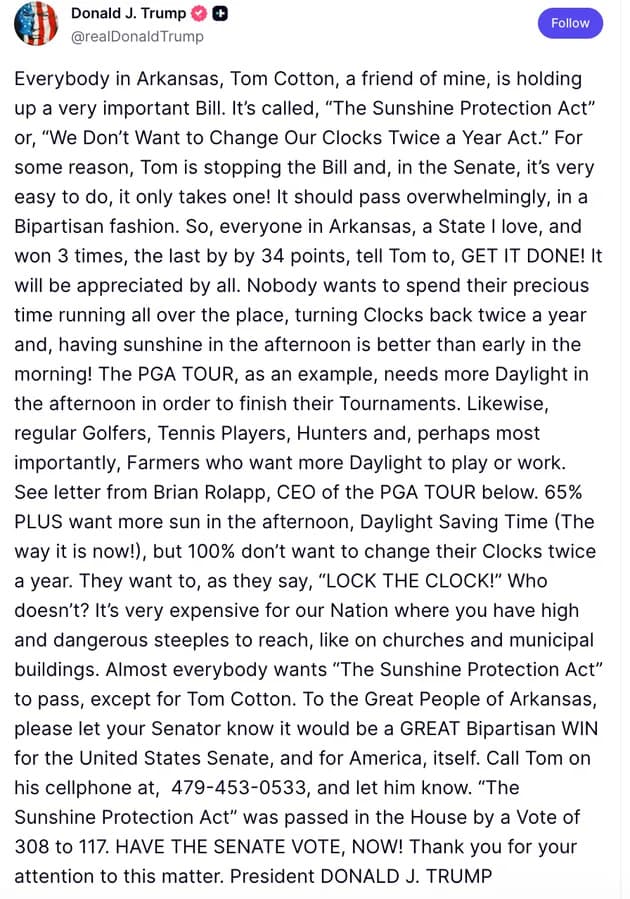
Bottom line: The House passed the Sunshine Protection Act to make daylight saving time permanent, but the Senate's support is uncertain and is in recess until Sept. 14. Unless the Senate approves the bill and the president signs it, clocks will fall back at 2 a.m. local time on Sunday, Nov. 1, 2026. Experts are divided: many health researchers prefer permanent standard time, while supporters highlight lifestyle and safety benefits; religious groups have raised concerns about later winter sunrises.
Will Clocks Fall Back on Nov. 1, 2026? What to Know About the Push to End Time Changes
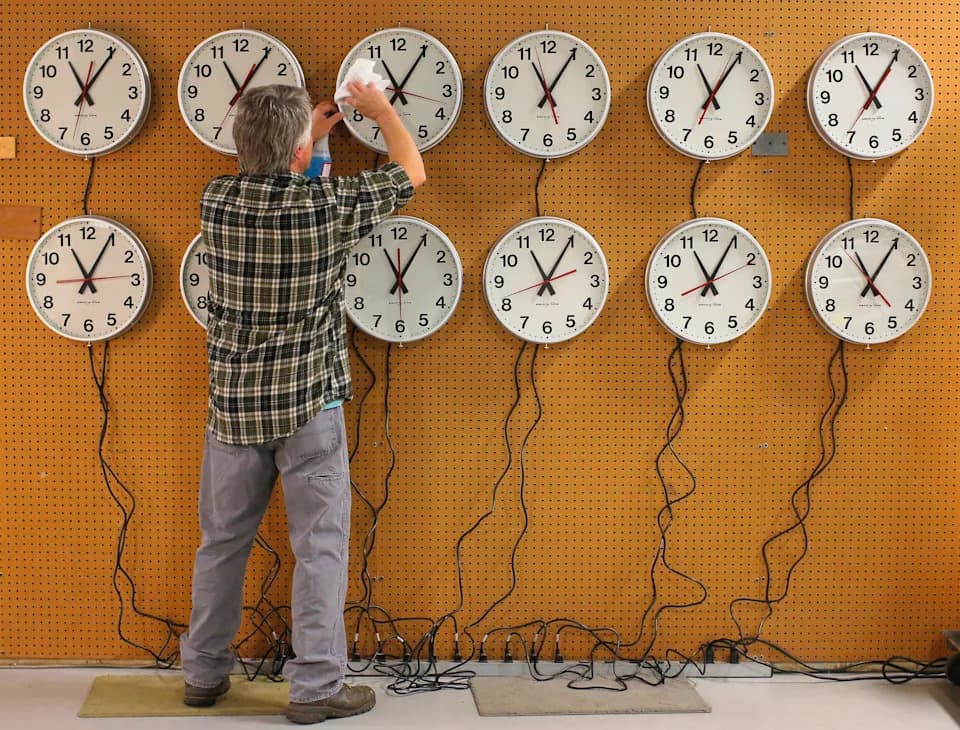
Scott Gow cleans the faces of wall clocks being tested before going to a Capital Grill restaurant at the Electric Time Company in Medfield, Massachusetts November 1, 2013.
The countdown is on to the next semiannual clock change, but Congress has a narrow window to act. Unless lawmakers approve and the president signs a law making daylight saving time permanent, most Americans should plan to set their clocks back at 2 a.m. local time on Sunday, Nov. 1, 2026.
Where the Legislation Stands
The House approved the Sunshine Protection Act in July, a bill that would keep clocks on daylight saving time year-round. The Senate is in recess until Sept. 14, and leaders have questioned whether there are enough votes to pass the measure before the November change. President Donald Trump has publicly urged senators to approve the bill.
What Would Happen If Congress Does Not Act
Absent congressional action and a presidential signature, the United States will follow the standard schedule: at 2 a.m. local time on Sunday, Nov. 1, 2026, clocks will be set back one hour to 1 a.m., granting most people an extra hour of sleep and bringing earlier sunsets through the winter months.
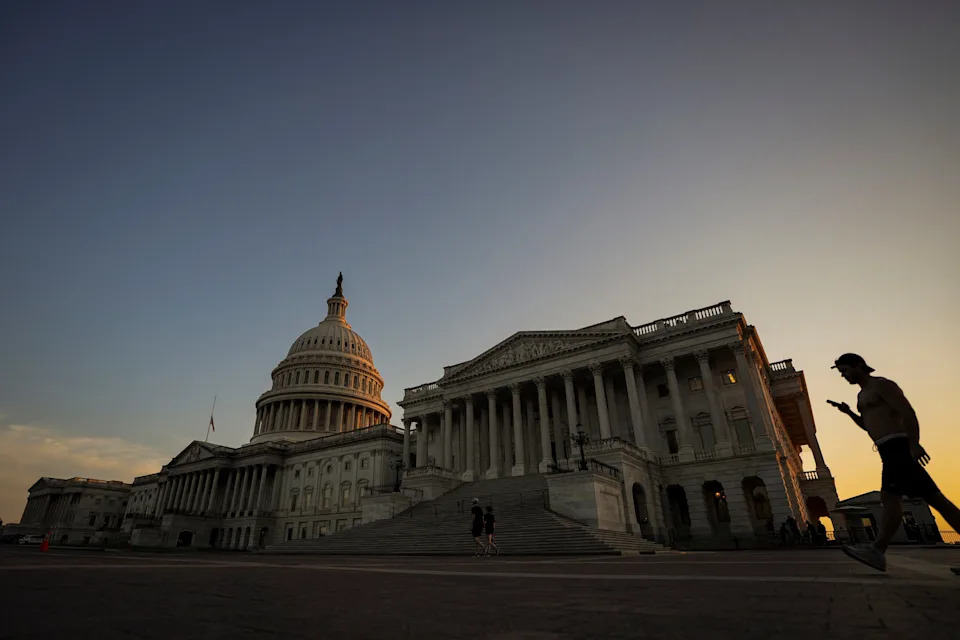
Sunlight falls on the U.S. Capitol as the sun sets, following a vote on the Sunshine Protection Act, which would make daylight saving time permanent, and states with areas exempt from daylight saving time may choose the standard time for those areas, in Washington, D.C., on July 13, 2026.
Health, Safety and Expert Opinions
Medical and sleep researchers broadly agree that the twice-yearly clock changes disrupt circadian rhythms and can cause short-term harm, including sleep disruption and spikes in traffic accidents after the spring 'forward.' However, experts disagree about the best permanent solution. Many sleep and circadian specialists argue that permanent standard time would better align with human biological clocks, while proponents of permanent daylight saving time point to potential benefits such as more evening daylight for families and outdoor activities.
President Trump called changing clocks twice a year 'foolish, inconvenient and, in some cases, very costly' and urged Congress to 'PASS THE SUNSHINE PROTECTION ACT, ASAP.'
Religious And Regional Concerns
Some religious communities have voiced concerns about permanent daylight saving time because prayer times and observances depend on sunrise and sunset. Rabbi Josh Joseph of the Orthodox Union and some Muslim groups have said later winter sunrises could complicate morning prayers, especially in parts of the Midwest and Mountain West.
Several states and U.S. territories already remain on standard time year-round: Hawaii; most of Arizona (the Navajo Nation is an exception); American Samoa; Guam; the Northern Mariana Islands; Puerto Rico; and the U.S. Virgin Islands.
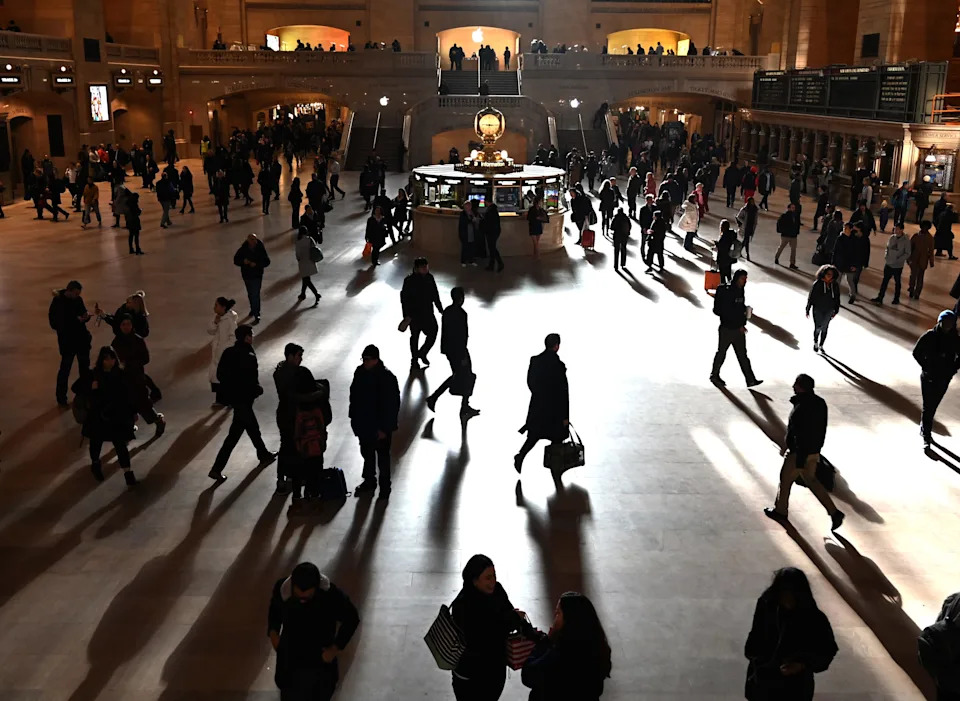
Commuters walk through the morning bright sunlight coming from the 60 feet (18m) high windows in Grand Central Terminal in New York City on March 11, 2019 the first morning after Daylight Savings Time took effect March 10, 2019.
Public Opinion And Practical Advice
Public surveys show fatigue with the twice-yearly ritual. A 2023 YouGov poll found 62% favored eliminating clock changes, and a January 2025 Gallup survey found 54% supported ending the practice, though Americans are split on whether to adopt permanent daylight saving time or permanent standard time.
With less than three months between Congress' return and the scheduled Nov. 1 change, the window to alter the system this year is narrow. For now, the practical advice is simple: unless you hear of a definitive change from Congress and the White House, plan to set your clocks back at 2 a.m. local time on Sunday, Nov. 1, 2026.
Contributing: Reuters; Bart Jensen, Zachary Schermele, Jorge L. Ortiz, Fernando Cervantes Jr., Emily DeLetter, Julia Gomez, Kinsey Crowley, Marc Ramirez / USA TODAY
Reporter: Saman Shafiq. Reach her at [email protected] and follow @saman_shafiq7 on social platforms.
Help us improve.