Files from 1989 reveal that Margaret Thatcher's government studied a covert scheme to mass‑rear Eloria noyesi moths and air‑drop them over Peruvian coca plantations to destroy cocaine crops. Porton Down scientists examined breeding and release techniques after natural moth swarms reportedly damaged about 2,000 hectares near Tarapoto, causing estimated trafficker losses of over $37m. Concerns about environmental harm, short‑term effectiveness, security risks, cost and weak Peruvian political backing led officials to abandon the plan.
Thatcher Considered a 'Moth Bomb' to Destroy Peru’s Coca Crops, Files Reveal
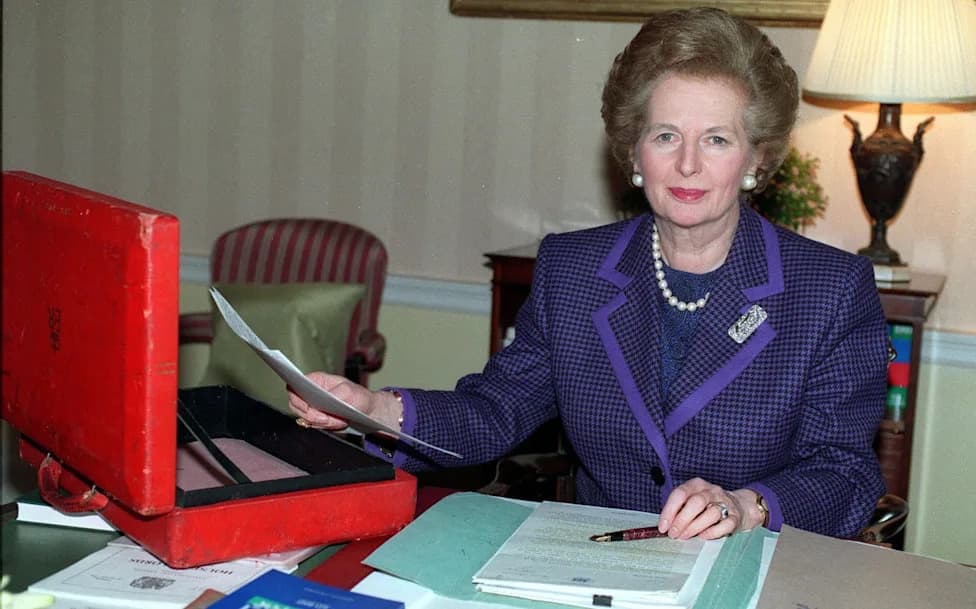
Margaret Thatcher endorsed the clandestine operation to drop moths on cocaine fields in Peru - Tony Harris
Newly released government files show that in 1989 Prime Minister Margaret Thatcher's administration explored a covert plan to breed and air‑drop thousands of moths over Peruvian coca plantations to destroy cocaine crops destined for the UK.
Background
Records at the National Archives in Kew indicate ministers allocated about £100,000 to study a classified scheme. Military scientists at Porton Down — the Ministry of Defence's chemical defence establishment — researched methods to mass‑rear and, in their words, 'weaponise' insects for field release.
The Proposal
The plan focused on Eloria noyesi, a moth species reported to feed almost exclusively on coca leaves and to tolerate the plant's alkaloids that are toxic to most insects. Cabinet papers note that between July 1987 and February 1988 natural swarms of the moth devastated roughly 2,000 hectares of illegal coca near Tarapoto, producing estimated losses to traffickers of more than $37 million (about £25 million).
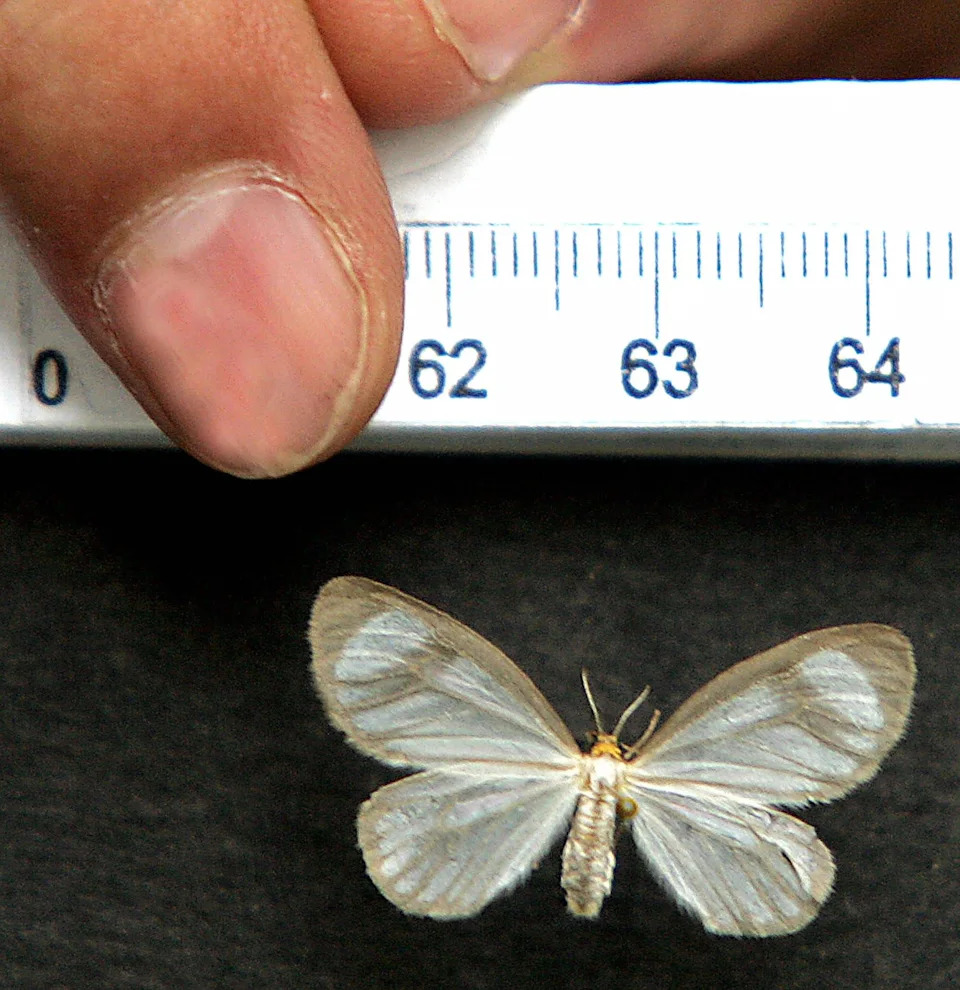
A specimen of an Eloria noyesi butterfly which feeds exclusively on the leaves of the coca plant which it can safely digest and excrete without harm - Rodrigo Arangua/Getty Images
Officials proposed transporting pupae or adult moths to South America and releasing them from helicopters so they would multiply and spread across plantations. Documents included operational estimates — for example, air‑dropping about 2,000 pupae at a time — and one memo described the insect as a kind of 'smart bomb' because of its short natural range and host specificity.
Concerns and Why the Plan Was Abandoned
Early interest from Thatcher and senior officials met growing reservations. The Home Office called the idea a 'practical proposition' but warned it would likely have only a temporary effect and could cause environmental harm. Officials worried a leak could nullify the project or endanger participants, and estimated protection costs for personnel would be high unless Peruvian forces conducted the releases. Ultimately, insufficient funding and a lack of political support in Peru halted the scheme.
Aftermath and Context
Similar biological‑control ideas resurfaced in other countries — Colombia discussed a moth‑based approach after abandoning glyphosate herbicide in 2015 — but such plans have not been implemented due to environmental, ethical and practical concerns. The episode remains a striking example of Cold War‑era experimentation with unconventional methods to disrupt international drug trafficking.
Help us improve.