The Left has reaffirmed its plan to expropriate housing owned by major companies ahead of Berlin's 20 September state election, citing a 2021 non-binding referendum in which 57.6% supported public transfer of such properties. Co-leader Luigi Pantisano framed the move as a measure to bring down rents and curb corporate profits from housing. Polls suggest The Left could top the vote, opening the door for lead candidate Elif Eralp to become mayor, but coalition talks will determine whether expropriation is politically and practically achievable.
Berlin Election: The Left Reaffirms Plan To Expropriate Flats From Big Housing Firms
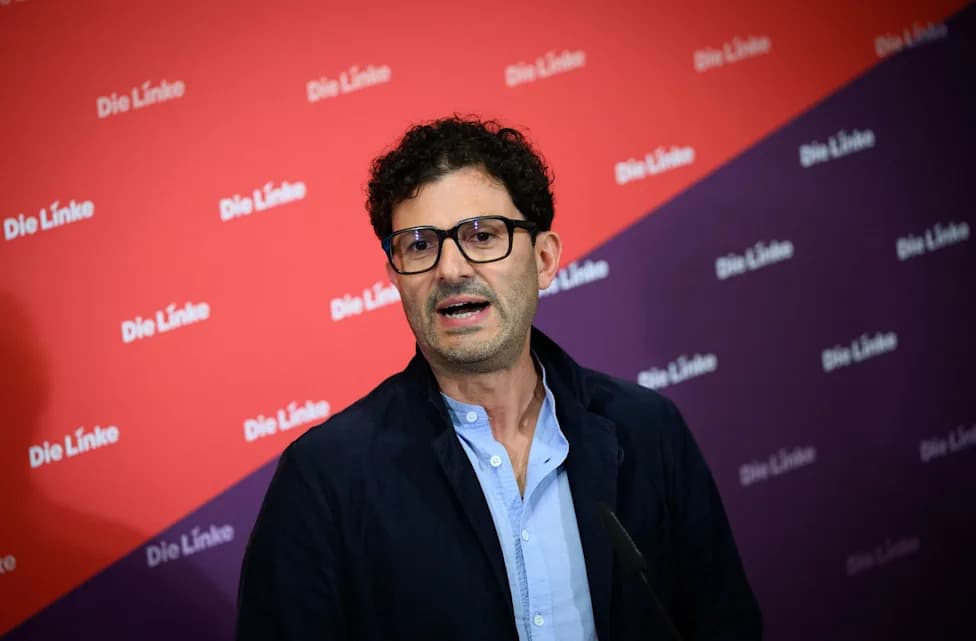
FILE PHOTO - National chairman of the party Die Linke (The Left) Luigi Pantisano speaks at a press conference following the party's committee meetings at the Karl-Liebknecht-Haus on current issues. (is associated with: «The Left before Berlin's election: Seize large housing firm flats») Bernd von Jutrczenka/dpa
Germany's The Left party has doubled down on its pledge to expropriate flats from large housing corporations as Berlin's state election approaches on 20 September.
In a Sunday interview with broadcaster ZDF, co-leader Luigi Pantisano highlighted a 2021 non-binding referendum in which 57.6% of voters backed transferring properties owned by major real-estate companies into public ownership. He argued that big landlords prioritise shareholder profit over affordable housing for residents.
"We want rent prices to go down," Pantisano said. "There must be an end to the situation where people who work every day effectively pay a large share of their income to shareholders of companies like Vonovia."
Major landlords such as Vonovia and Deutsche Wohnen are central to the dispute. The Left says expropriation is necessary to curb rising rents and return control of housing to the public sector; opponents warn of legal, financial and practical challenges to large-scale transfers of property to municipal control.
The housing debate sits at the heart of a crowded field in Berlin, where The Left is competing for top position with the far-right Alternative for Germany (AfD), the Christian Democrats (CDU) led by Friedrich Merz, and the Greens. Current polling suggests The Left — a left-wing party with roots in the former East Germany's Socialist Unity Party — could finish first in the capital for the first time since reunification, potentially allowing its lead candidate Elif Eralp to become mayor.
Coalition arithmetic is uncertain. The incumbent CDU–SPD coalition appears unlikely to return, and a revival of the three-way alliance between the SPD, The Left and the Greens (which governed Berlin from 2016 to 2023) is widely seen as a likely outcome. However, The Left's national co-leader Ines Schwerdtner has said that expropriating large housing companies is a precondition for the party's participation in any state coalition.
SPD lead candidate Steffen Krach has pushed back, saying The Left would effectively have to govern alone to implement such a policy. Pantisano sought to downplay the row, noting that coalition negotiations will take place only after the election and stressing that the party's principal partner is Berlin's electorate, which voted by a clear majority in the 2021 referendum in favour of expropriation.
What Comes Next
With roughly six weeks until voters head to the polls, housing policy is likely to remain a headline issue in campaigning. If The Left performs strongly, questions over the legal and financial path to expropriation — and how it would fit into any coalition programme — will be central to post-election talks.
Help us improve.