During a guided snorkeling excursion near Bimini, Bahamas, Connecticut resident John Schweizer was struck by a Caribbean reef shark and required 30 stitches in total. He was treated for three hours aboard his cruise ship before being transferred to a Miami hospital. Caribbean reef shark attacks are rare, but experts say close-contact wildlife tours carry inherent risks and advise asking operators about baiting, group size and emergency plans.
Connecticut Man Struck by Shark Near Bimini on 40th Anniversary Trip; Needs 30 Stitches
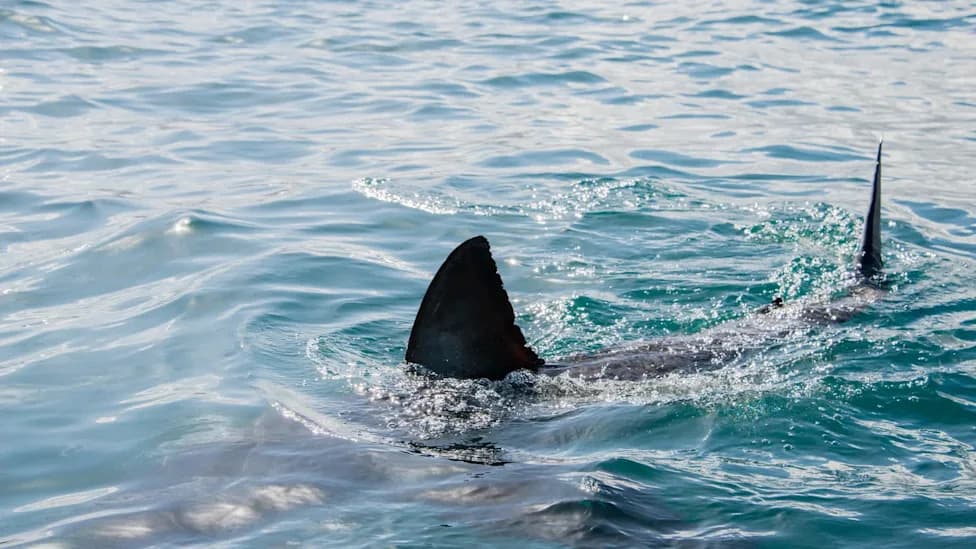
Photo Credit: iStock
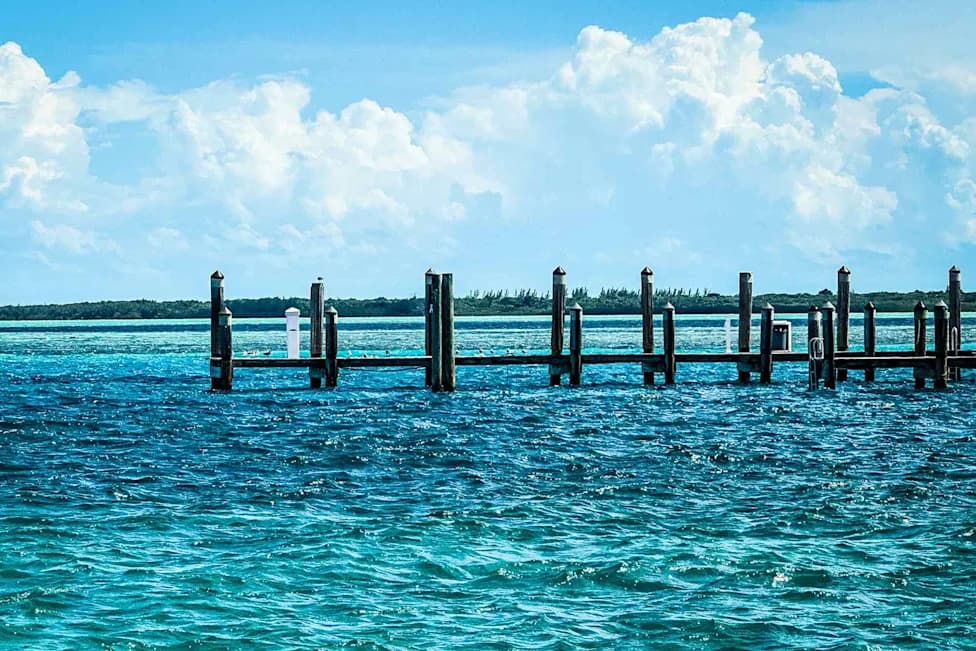
A guided snorkeling excursion near Bimini in the Bahamas, intended as part of a family's 40th wedding anniversary celebration, ended in a rare and painful encounter when a Caribbean reef shark struck Connecticut resident John Schweizer. The attack required immediate treatment aboard his cruise ship and subsequent transfer to a Miami hospital.
What Happened
Schweizer said the shark hit him as part of a commercial 'swim with sharks' activity that brings tourists into close proximity with Caribbean reef sharks. Tour guides said the animals typically swim away after people enter the water, but on this outing one of the sharks struck Schweizer. He estimated the animal at roughly 5 to 7 feet in length.
'I got hit pretty hard. I knew it was a shark,' Schweizer said.
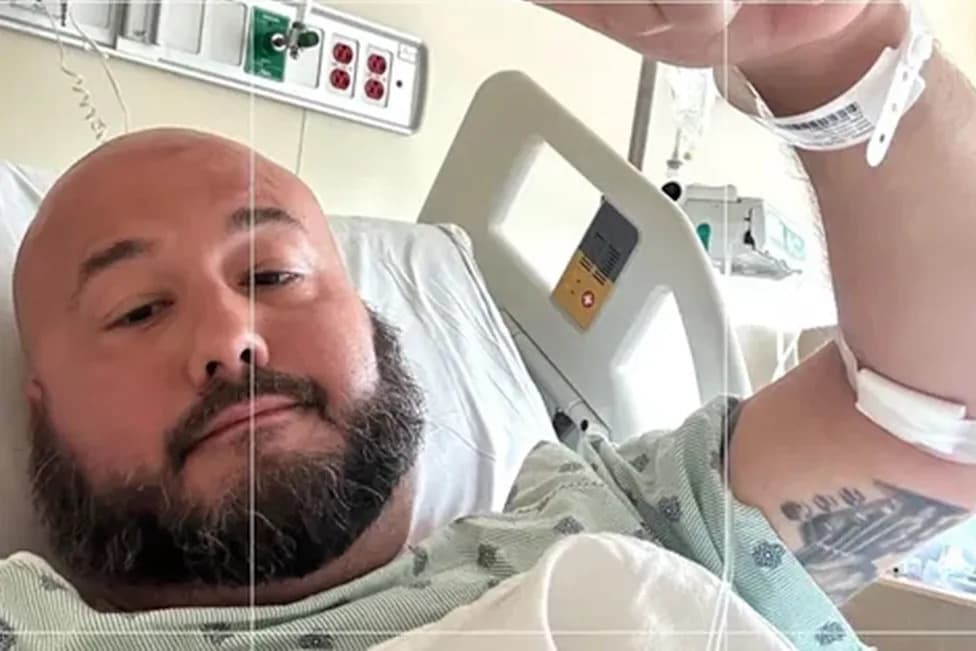
After being returned to his cruise ship, an emergency room physician spent three hours cleaning and stitching his wounds. Doctors placed 26 stitches in a leg wound and four stitches in a hand injury before Schweizer was transferred to a hospital in Miami for further care.
Context And Risk
Attacks by Caribbean reef sharks are uncommon: the Florida Museum of Natural History's International Shark Attack File lists only four documented unprovoked attacks involving this species. Nonetheless, paid close-contact wildlife attractions involve interactions with unpredictable wild animals and carry inherent risk.
Practical Safety Advice
Prospective participants should ask tour operators specific safety questions before booking: do excursions use bait or chum; how many people enter the water at once; what emergency procedures, first aid supplies and trained medical personnel are available; and what the evacuation plan is if someone is injured. Choosing experiences that maintain a greater distance from animals—such as boat-based viewing or controlled observation platforms—can reduce risk while still supporting local tourism.
Researchers and public databases rigorously track shark incidents to identify species, locations and conditions that might increase risk. When entering an animal's habitat for entertainment, treat the activity as a deliberate risk decision and plan accordingly.
Help us improve.