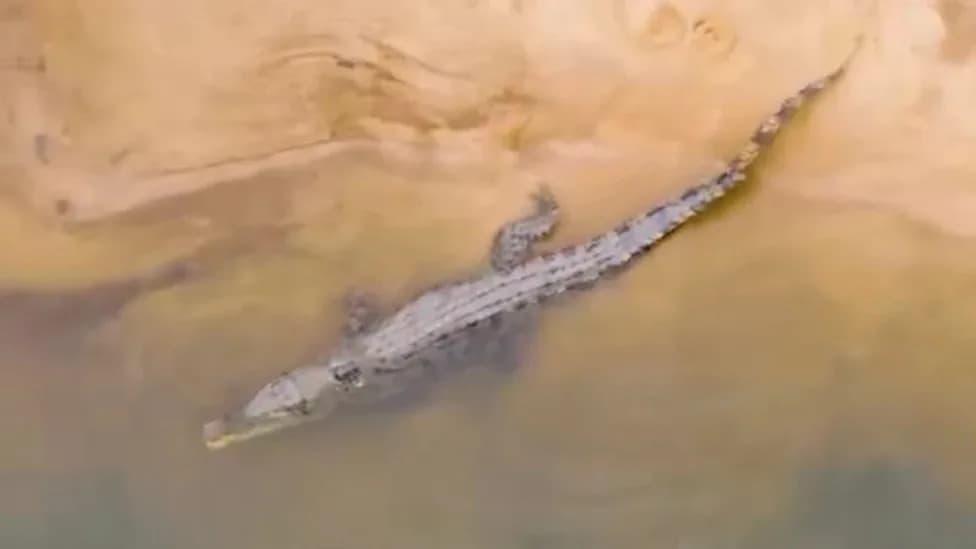
The May 2024 killing of community headman Daniel Muking's son has strained a long-standing Indigenous practice of leaving crocodiles undisturbed in Sarawak. Conservation efforts have helped crocodile numbers rebound to more than 25,000, but increased sightings coincide with documented fatalities: 22 deaths from 2023–2025 and five more in 2026, per Malaysia-China Insight. Authorities are balancing safety and protection through relocations, licensed hunting and a sightings app while communities adapt to rising encounters.
Fatal Crocodile Attack in Sarawak Strains Indigenous Coexistence as Croc Numbers Rebound
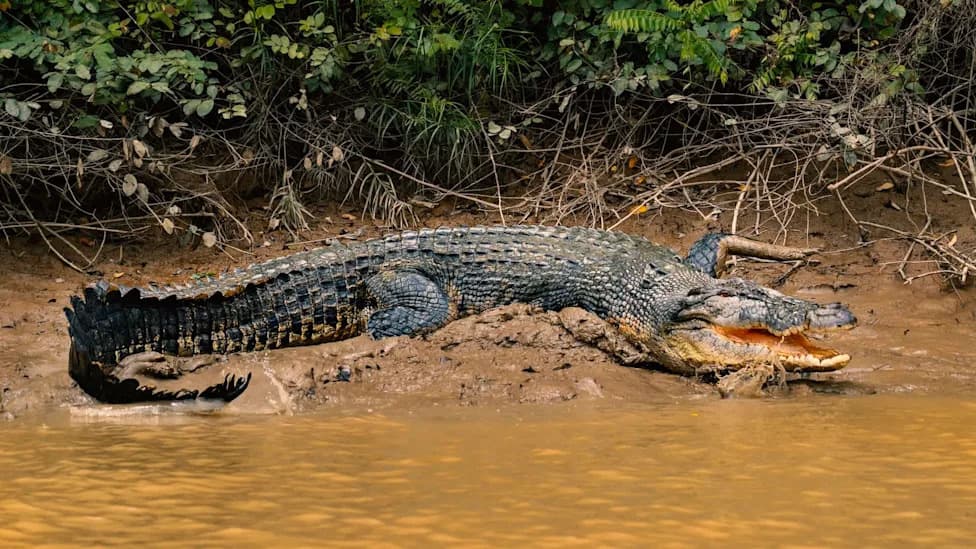
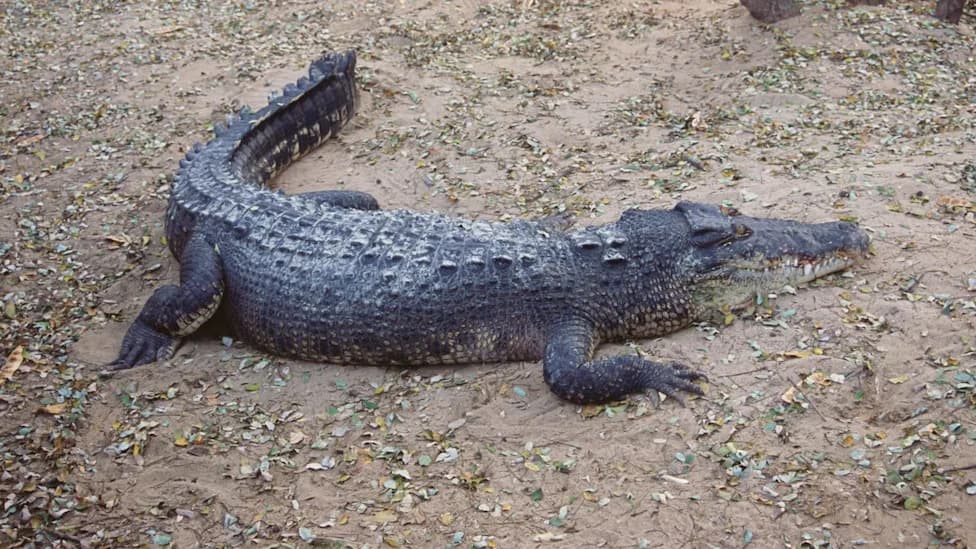
Photo Credit: iStock
A fatal crocodile attack in May 2024 that killed the son of community headman Daniel Muking has tested a long-standing Indigenous practice in Sarawak of leaving river crocodiles undisturbed. The incident shocked the village and has shifted how some residents view the animals that share their waterways.
For generations, many communities in Sarawak have followed an informal rule: avoid disturbing crocodiles and the animals will generally avoid people. That approach is under pressure as sightings and close encounters become more common.
Population Recovery and Rising Encounters
According to Malaysia-China Insight (MCI), Sarawak's crocodile population has rebounded to an estimated more than 25,000 individuals after near-collapse in the 1980s due to intensive hunting and overexploitation. That conservation success, however, appears to have coincided with an increase in violent encounters.
MCI reports authorities recorded 22 deaths from crocodile attacks between 2023 and 2025, and noted an additional five fatalities in 2026 at the time of reporting. At the same time, the Sarawak Forestry Corporation (SFC) says attacks have actually fallen since the early 2000s, even as sightings and close encounters are reported more frequently.
Local Response and Official Measures
After the May 2024 attack, villagers identified a crocodile they believed responsible; that animal was later hunted down, according to MCI. The episode illustrates a broader tension: successful conservation without parallel planning for human–wildlife coexistence can shift the burden onto nearby communities.
"Crocodiles may be appearing more frequently near settlements because they can find food more easily there," said Abang Arabi Abang Aimran, general manager of the Sarawak Forestry Corporation, an observation echoed in reporting by BBC Future.
Rivers remain central to daily life in Sarawak—for travel, work, fishing and household chores—so any increase in crocodile encounters affects routine activities and community safety.
To reduce risk near settlements, Sarawak officials say they are trying to balance public safety with wildlife protection. Measures include coordinated relocations with licensed hunters and local communities, a mobile phone app for reporting sightings, and the issuance of hunting licences for targeted removals, according to MCI. Deputy Natural Resources Minister Len Talif Salleh has emphasized the need to manage both conservation and public-safety priorities as encounters rise.
Looking Ahead
Community leaders, conservationists and authorities face the complex task of protecting both people and an increasingly successful crocodile population. Experts say effective coexistence will require better planning, local engagement, timely reporting tools, and clear safety guidance so that communities do not bear the cost of conservation success alone.
Help us improve.