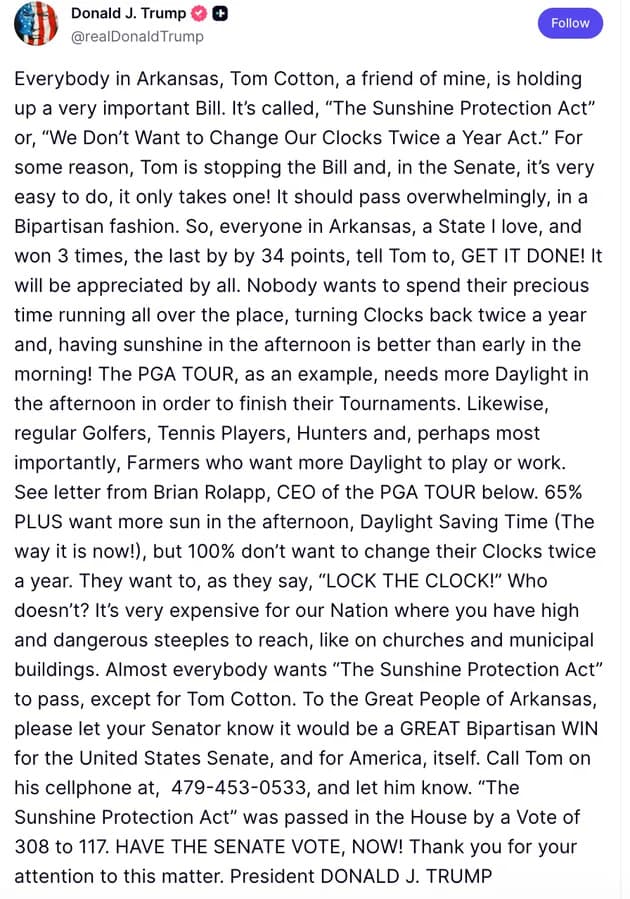
The Sunshine Protection Act, which passed the House 308–117 and has presidential backing, would make daylight saving time permanent if the Senate and president approve it. The change would lengthen summer evenings (sunsets as late as ~8:30 p.m. in June) but push winter sunrises in places like South Carolina to about 8:40–9:00 a.m. Critics cite health and safety concerns; supporters point to economic gains such as an estimated $1 billion boost for the golf industry.
Permanent Daylight Saving Would Push South Carolina Winter Sunrises Near 9 a.m., Lawmakers Warn
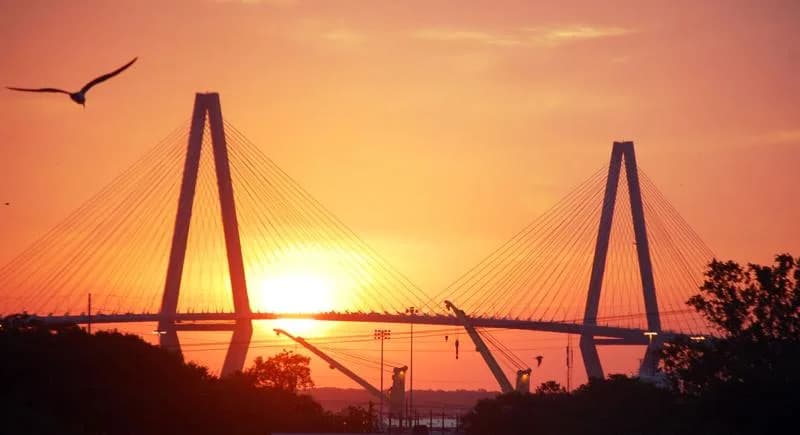
A sunrise over the Ravenel Bridge. File/Staff
If Congress enacts the Sunshine Protection Act to make daylight saving time (DST) permanent, winter mornings in parts of South Carolina could remain dark until roughly 8:40–9:00 a.m. while summer evenings would stay longer. The bill, which passed the House on July 14 by a 308–117 vote, is now awaiting Senate consideration and has the backing of President Donald Trump.
What Would Change
Keeping "spring forward" time year-round would shift daylight later in the day: evenings would be brighter and longer through the summer (sunsets could reach about 8:30 p.m. in late June), but mornings in the deepest part of winter would be considerably darker. In some locations, sunrise times could shift to about 8:40–9:00 a.m.
Safety, Health and Historical Context
Critics warn that darker winter mornings could pose safety and health risks, particularly for children waiting for school buses and for workers commuting in limited daylight. Opponents also cite disruptions to circadian rhythms caused by later sunrises. Senator Tom Cotton (R-Ark.) warned on the Senate floor that "permanent daylight saving time would push winter sunrises to an absurdly late hour, depriving Americans of morning sunshine that is essential for our safety and well-being."
The United States briefly tried year-round DST in 1974, but public backlash over late winter dawns prompted a quick reversal. Since then, similar proposals have stalled until the renewed momentum behind the Sunshine Protection Act.
Public Opinion and Expert Views
Many Americans are tired of the twice-yearly clock change. A 2023 YouGov survey found 62% favored eliminating the semiannual switch; a January 2025 Gallup poll reported 54% wanted to end DST, with 48% preferring permanent standard time and 24% favoring permanent DST. Sleep and circadian-rhythm experts, including Erik Herzog of Washington University in St. Louis, have argued that permanent standard time is the healthier choice.
Economic Arguments
Supporters point to economic and recreational benefits from longer evening daylight. The National Golf Course Owners Association testified that the industry could gain roughly $1 billion annually and add more than 23 million rounds of golf if DST were permanent, noting that afternoon and evening tee times generate substantially more revenue than morning play. Extended evening light is also expected to help outdoor recreation, tourism, small businesses and local economies.
Current Status And Exceptions
The Sunshine Protection Act of 2025 sits with the Senate after passing the House. If the Senate approves the bill, it would go to the president for signature. Until then, states and territories continue to follow existing rules: Hawaii and most of Alaska, plus Arizona (except the Navajo Nation), do not observe DST; U.S. territories such as Puerto Rico, Guam, American Samoa, the U.S. Virgin Islands and the Northern Mariana Islands remain on standard time year-round.
Bottom Line
Permanent DST would trade darker winter mornings for longer summer and evening daylight. The debate balances public safety, health and local routines against potential economic and recreational benefits — and it now rests with the Senate and, ultimately, the president.
Help us improve.