Summary: The Trump administration has proposed a regulation that would require federal grants to "demonstrably advance the President's policy priorities," allowing political appointees to review awards and reducing deference to scientific peer review. Experts warn the rule — set to take effect Oct. 1 — could prematurely end medical research and community health programs, placing politics above science. Major medical organizations and lawmakers across the aisle have raised alarm, urging oversight, litigation and public action to block the change.
New White House Rule Could Put Politics Over Science — Experts Warn It Would Threaten Public Health
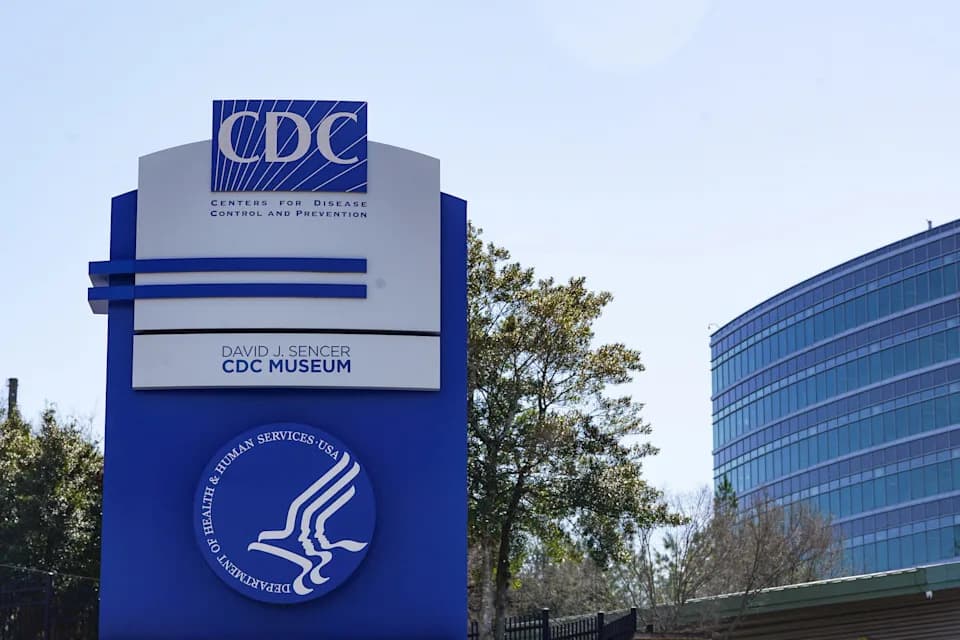
The Centers for Disease Control and Prevention in Atlanta on March 18, 2026.
Over the past 18 months, the Trump administration has removed health insurance from millions, sought to unravel childhood vaccination policies, dismissed thousands of federal health officials and cut billions from state and local public health budgets. Those actions were relatively public; the administration's next move is quieter but potentially far more damaging.
The White House has proposed a sweeping regulation, scheduled to take effect on Oct. 1, that would allow federal research and grant decisions to be guided by political priorities rather than scientific merit. If implemented, the rule could subject medical research and community health programs to political tests instead of evaluations based on demonstrated public-health benefits.
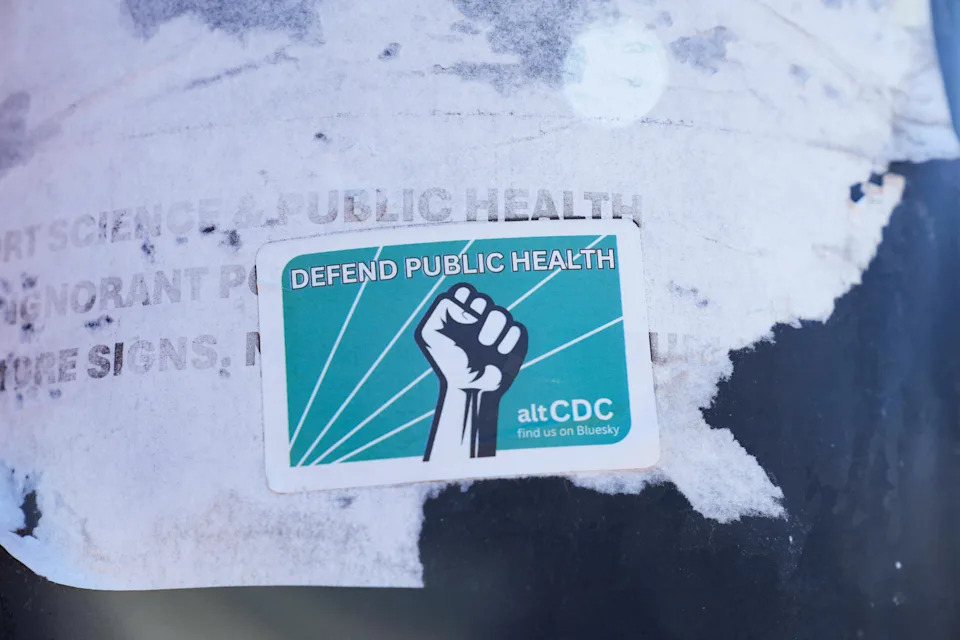
A protest sticker outside the Centers for Disease Control and Prevention campus in Atlanta on March 18, 2026.
What The Proposal Would Do
The draft regulation would require that federal grants "demonstrably advance the President's policy priorities." It would empower agency heads to "designate" political appointees to review awards before funds are distributed and states explicitly that peer-review recommendations should not be "routinely deferred to." In plain language, grant criteria and award decisions could be tied to the policy goals of the sitting President — and grants could be rescinded or defunded for ideological reasons.
Why Experts Are Alarmed
Federal grant programs distribute more than $1 trillion each year to states, localities, hospitals, universities, nonprofits and other organizations. Those funds support the research that produces treatments and cures, fund vaccine clinics and outbreak responses, back overdose-prevention programs, provide care for veterans and protect maternal and infant health.
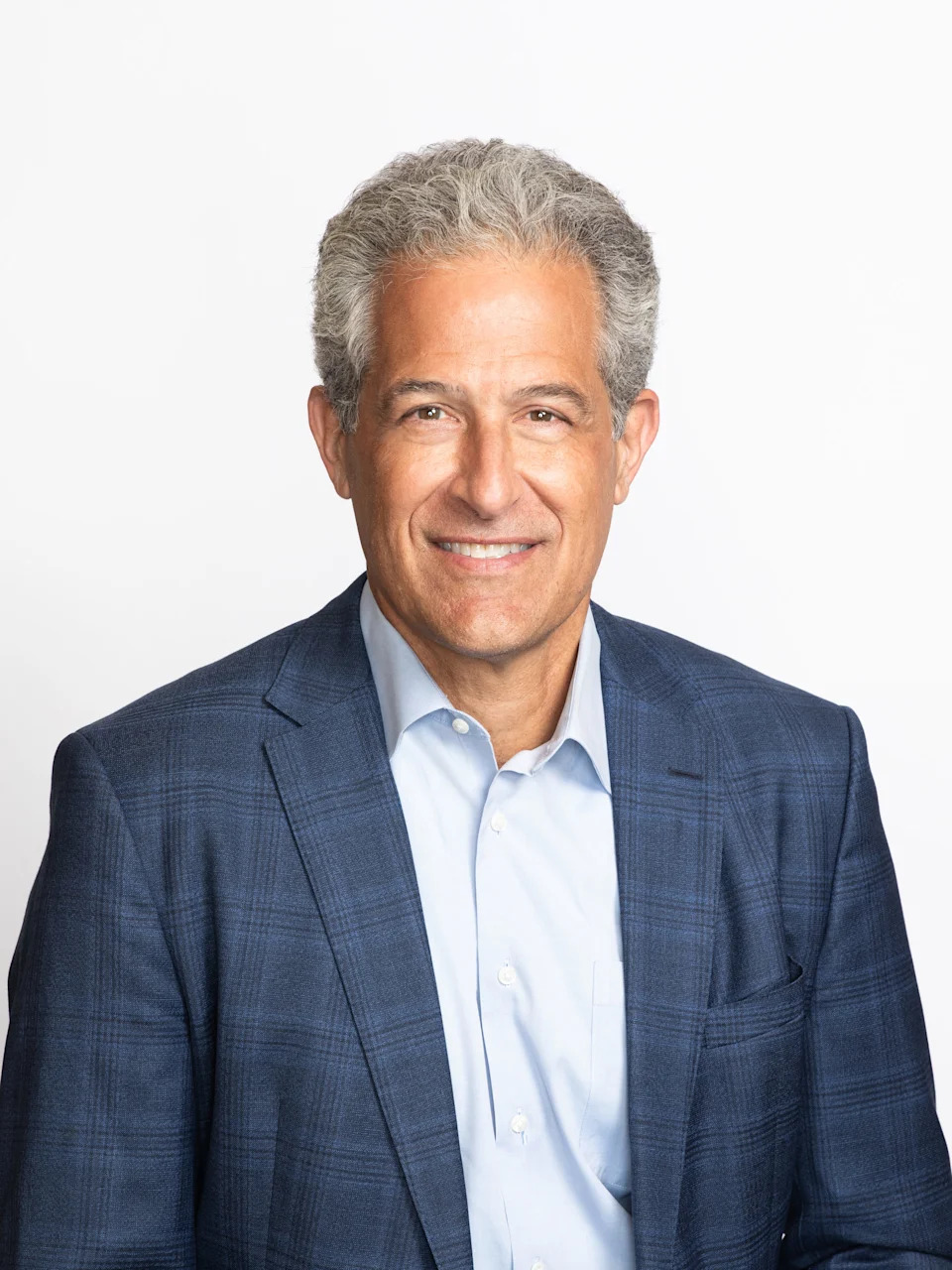
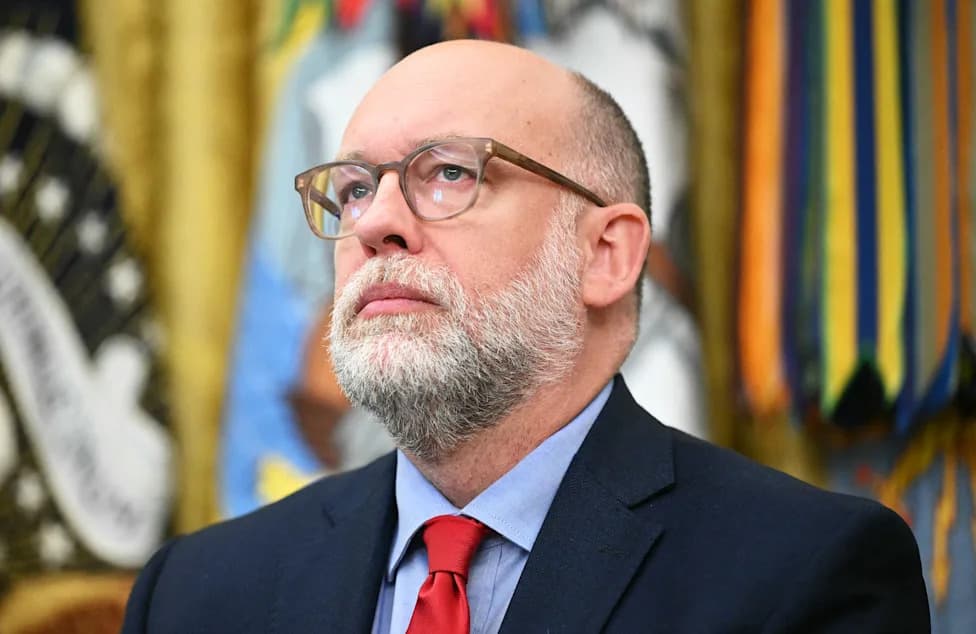
Richard Besser, MD, is the president and chief executive officer of the Robert Wood Johnson Foundation and former acting director of the Centers for Disease Control and Prevention.
Medical and public-health leaders warn that politicizing grant decisions would disrupt research pipelines, end promising studies midstream and imperil community health programs. The American Heart Association said the rule raises "serious concerns about the independence of science and the future of biomedical and population-based research in the United States." The Academic Pediatric Association warned it "could limit federally funded research, training, innovation, care delivery and public health efforts that are essential to enhancing the health and well-being of all children." Republican Senator Susan Collins has also cautioned the rule "would harm small and rural communities."
"Grant decisions must be based on scientific merit and public health impact, not political alignment," says Richard Besser, M.D., former acting director of the Centers for Disease Control and Prevention and president and CEO of the Robert Wood Johnson Foundation.
Real-World Risks
We already have examples of how political leverage over federal funds plays out. After the 2025 wildfires in Southern California destroyed thousands of homes and displaced hundreds of thousands of residents, federal disaster relief was delayed while disputes over unrelated policy demands played out; court orders were required to release some withheld funds. This proposed regulation, critics say, could institutionalize that kind of leverage across all federal grantmaking.
What Can Be Done
Leaders across sectors and the political spectrum — from scientific organizations to lawmakers — are urging legislative oversight, litigation and public pressure to stop the rule. Those who care about public health argue that health funding should never be wielded as a political weapon and that grantmaking must remain grounded in scientific integrity.
Richard Besser, M.D., is president and chief executive officer of the Robert Wood Johnson Foundation and a former acting director of the Centers for Disease Control and Prevention.
Help us improve.