Judge Amit Mehta dismissed the final eight Jan. 6 prosecutions, granting a Justice Department motion that effectively closes the chapter of criminal cases tied to the Capitol attack. Mehta warned the decision “diminishes the gravity” of the assault and undercuts prosecutors’ work. The article argues that commuted sentences, incomplete prosecutions, and the rise of election-denying election officials have weakened institutional safeguards and increased the risk of future attacks on democratic processes.
Judge Dismisses Final Jan. 6 Cases — A Stark Signal That Accountability Has Eroded
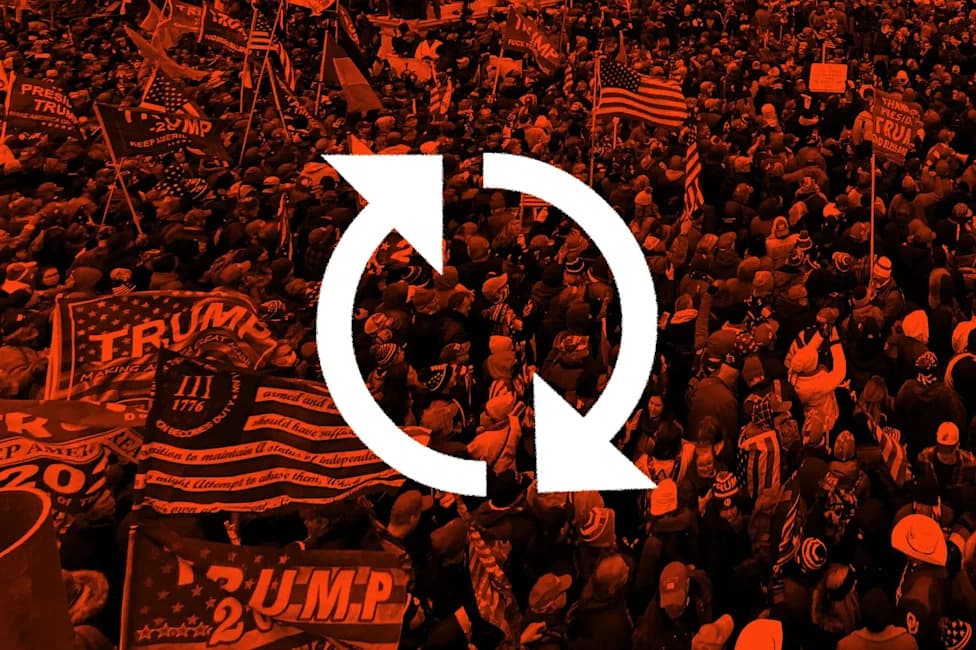
The next time MAGA Republicans lose a national election, they’re in a much better position to successfully pull off the coup that only narrowly failed.
U.S. District Judge Amit Mehta last week ordered dismissal of the final criminal prosecutions tied to the January 6, 2021, Capitol attack, writing that “This is the last of the prosecutions seeking to hold accountable those responsible for the events of January 6. That book is now closed.” Mehta said he acted “reluctantly” in dismissing charges in the last eight cases tied to the riot.
Why The Cases Were Dismissed
The Justice Department — under President Donald Trump after he returned to office — filed motions to dismiss these prosecutions, including the cases against Stewart Rhodes and other members of the Oath Keepers. Because the executive branch asked the court to drop the charges, Mehta granted the requests, but not without a pointed rebuke of the decision’s consequences.
“Today’s epilogue diminishes the gravity of that day, denigrates the work of the prosecutors and law enforcement officers who secured these convictions, and excuses criminal acts that caused a centuries-long pillar of our democracy — the peaceful transfer of presidential power — to buckle.” — Judge Amit Mehta
Impact And Broader Context
Mehta’s opinion has been read by many observers as a symbolic endpoint for the criminal accountability associated with Jan. 6. The dismissals followed a broader pattern of post-2024 clemency actions: several defendants received commuted sentences rather than full pardons when Trump reassumed office, and many previously convicted or investigated participants avoided further punishment as a result.
Independent research underscores continuing concerns about the long-term consequences. A June 2026 Lawfare study found that at least 97 of roughly 1,500 people who benefited from pardons or commutations have since been arrested, prosecuted or convicted for other crimes. Lawfare’s analysis identified at least 14 individuals later charged with sex-related offenses or offenses involving child sexual abuse materials (CSAM), and at least six who faced domestic violence charges.
Accountability Gaps
The article places Mehta’s ruling alongside other missed opportunities for accountability: the Senate’s failure to convict at former President Trump’s second impeachment, and unresolved or incomplete outcomes in several high-profile investigations and trials related to election interference and handling of classified documents. Then-Senate GOP leader Mitch McConnell publicly blamed Trump for Jan. 6 and warned of a “death spiral” for democracy, yet the Senate voted to acquit, and prosecutors later faced limits in concluding other related cases.
Meanwhile, institutions that played key roles on Jan. 6 — the vice presidency, the Department of Justice, the FBI and congressional leaders overseeing certification — now include officials who are aligned with or sympathetic to election-denying views. A New York Times analysis, based on Voting Rights Lab data, reported that nearly 100 local election officials who have questioned the legitimacy of the 2020 result now “oversee or help administer elections” in counties where competitive House and Senate races could determine control of Congress.
Why It Matters
The combined effect of commutations, dismissals, unfinished prosecutions and the rise of election-denying officials in key administrative roles has prompted concern that the structural defenses which barely held on Jan. 6 are weakened. Critics argue this leaves the country more vulnerable to future attempts to subvert electoral outcomes.
Whether one frames the outcome as a legal technicality, a political choice, or a systemic failure, Mehta’s dismissal marks a consequential moment in the post-Jan. 6 era: it closes a chapter of criminal accountability tied directly to the Capitol attack and raises urgent questions about institutional resilience and reform.
Related developments to watch: further legal actions that may arise from ongoing investigations, policymaking on election administration, and any legislative or institutional reforms designed to strengthen the peaceful transfer of power.
Help us improve.